In today’s fast-moving digital world, texting isn’t just about words anymore—numbers have become a whole new language. From cryptic codes like 143 to viral trends like 420 and 404, number slang words are everywhere across chats, social media, and gaming communities.
If you’ve ever received a message full of numbers and wondered, “What does this even mean?”—you’re not alone. Understanding number slang words helps you stay connected, avoid confusion, and even sound more fluent in modern online culture.
This guide breaks it all down in a simple, human way—so you can not only understand these number codes but actually use them naturally in conversations.
What Does “Number Slang Words” Mean? (Definition & Origin)
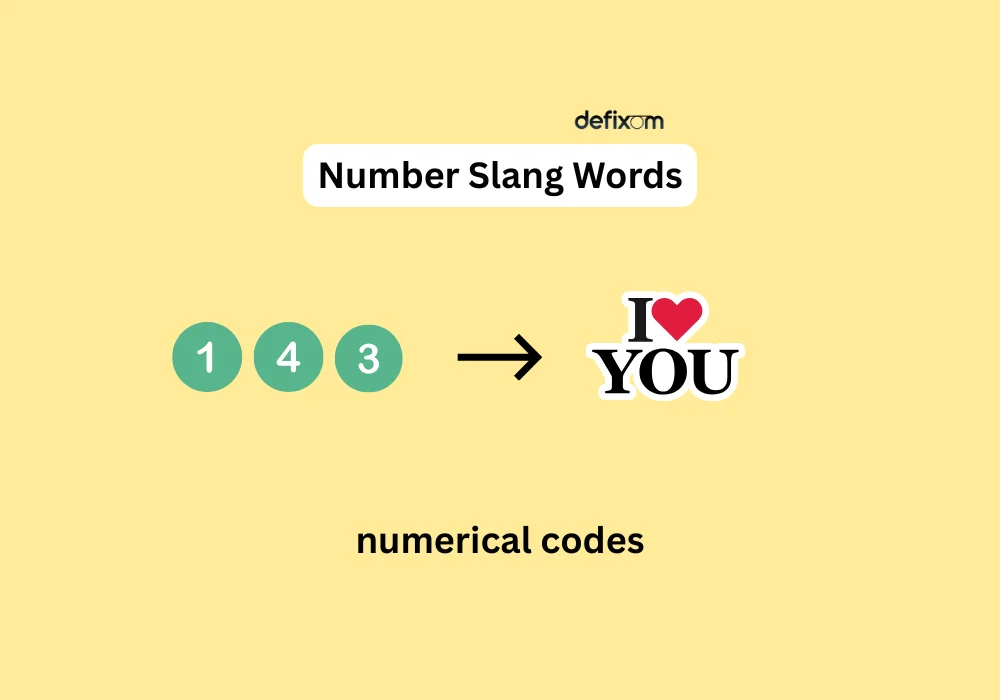
Number slang words are numerical codes used in texting or online communication to represent words, phrases, or meanings. These numbers often:
- Represent how a word sounds (phonetic similarity)
- Reflect cultural references
- Use keypad typing shortcuts (from old mobile phones)
- Carry hidden or insider meanings
🔍 Where Did Number Slang Come From?
Number slang didn’t just appear overnight—it evolved over time:
- Early SMS culture (1990s–2000s): Limited character counts led people to shorten phrases using numbers.
- Pager codes: Before smartphones, people used number codes like 143 (I love you).
- Internet forums & gaming: Gamers and online communities created shorthand for faster communication.
- Social media trends: Platforms like TikTok and Instagram helped viral number slang spread globally.
👉 Today, number slang is a core part of Gen Z and Gen Alpha communication.
Popular Number Slang Words (With Meanings)
Here are some of the most common and trending number slang words you’ll see in 2026:
❤️ Love & Emotion Codes
- 143 → I love you
- 1432 → I love you too
- 831 → I love you (8 letters, 3 words, 1 meaning)
- 459 → I love you (on keypad)
🔥 Internet & Meme Slang
- 404 → Not found / clueless
- 420 → Cannabis culture reference
- 69 → Flirty or suggestive joke
- 666 → Evil or chaotic vibe (often jokingly)
😂 Funny & Casual Codes
- 555 → Laughing (popular in Thai internet culture)
- 111 → Typing fast / excited (looks like keyboard spam)
- 007 → Smooth or secretive (like James Bond)
💔 Emotional or Deep Codes
- 911 → Emergency / urgent situation
- 182 → I hate you (rare but used)
- 1437 → I love you forever
💡 Pro Tip: The meaning often depends on context. The same number can mean different things in different cultures or communities.
How to Use Number Slang Words in Texts or Chat
Using number slang correctly is all about context, tone, and audience.
✅ When to Use Number Slang
- Casual texting with friends
- Social media captions or comments
- Gaming chats or Discord servers
- Inside jokes or private messages
❌ When to Avoid It
- Formal emails or professional messages
- Academic writing
- Talking to someone unfamiliar with slang
💬 Tips for Using Number Slang Naturally
- Know your audience
Not everyone understands number slang—especially older users. - Don’t overuse it
Too many numbers = confusing message. - Mix with normal text
Example:
→ “Miss you 143 ❤️” sounds natural
→ “143 831 459” sounds robotic - Match the vibe
Use playful numbers in casual chats, not serious conversations.
Examples of “Number Slang Words” in Conversations
Let’s look at some real-life style chat examples so you can see how these are actually used:
🧑🤝🧑 Example 1: Romantic Chat
Person A: Miss you today 😔
Person B: Aww 143 ❤️
👉 Meaning: I love you
😂 Example 2: Funny Conversation
Friend 1: Bro you forgot your wallet again
Friend 2: Yeah my brain is 404 today 🤦♂️
👉 Meaning: Clueless / not functioning
🔥 Example 3: Social Media Caption
“Late night vibes 🌙 420 💨”
👉 Meaning: Refers to chill/cannabis culture
🎮 Example 4: Gaming Chat
“Enemy disappeared… 007 mode activated 😎”
👉 Meaning: Acting sneaky or stealthy
💔 Example 5: Emotional Message
“I’ll always be here for you. 1437 💖”
👉 Meaning: I love you forever
Common Mistakes or Misunderstandings
Even though number slang is fun, it’s easy to mess it up. Here are some common mistakes to avoid:
Misinterpreting Meaning
- 69 isn’t always appropriate—it can be awkward in the wrong context.
- 420 might confuse someone unfamiliar with its cultural meaning.
Using Outdated Codes
Some number slang is old-school and rarely used today, like:
- 143 (still known but less trendy)
- Pager-era codes
👉 Newer generations prefer emojis or hybrid slang.
Overcomplicating Messages
Too many numbers = confusion
Bad example:
👉 “143 831 182 404”
Better:
👉 “143 ❤️ but my brain is 404 today 😂”
Related Slangs or Abbreviations
Number slang often overlaps with other types of internet language. Here are some related slang categories you should know:
🔤 Text Abbreviations
- LOL → Laugh out loud
- BRB → Be right back
- IDK → I don’t know
😂 Emoji Slang
- ❤️ → Love
- 😂 → Laughing
- 💀 → “I’m dead” (super funny)
🧑💻 Gen Alpha & Gen Z Slang
- Rizz → Charisma
- Sus → Suspicious
- No cap → No lie
Why Number Slang Words Are Still Trending in 2026
Despite emojis and voice notes, number slang is still relevant—and evolving.
📈 Reasons for Popularity
- Short and fast communication
- Feels secret or exclusive
- Fun and creative expression
- Cultural identity (especially in online communities)
🔮 New Trends
- Hybrid slang (numbers + emojis + words)
- TikTok-driven number meanings
- Region-specific number codes
Example:
👉 “143 but make it aesthetic ✨”
Practical Guide: Start Using Number Slang Today
If you’re new to this, here’s a quick starter guide:
🟢 Beginner-Friendly Codes
- 143 → I love you
- 404 → Confused
- 007 → Sneaky
🟡 Intermediate Usage
- Mix numbers with emojis
- Use in captions or jokes
🔴 Advanced Usage
- Create your own number codes
- Use inside jokes with friends
Conclusion:
Number slang words might look confusing at first, but once you understand the patterns, they’re actually fun, expressive, and incredibly useful in modern communication.
We’ve covered everything—from meanings and origins to real-life examples and mistakes to avoid. The key takeaway is simple:

I am the voice behind Defixom, a site dedicated to explaining meanings in a clear and simple way. I love turning confusing words into easy explanations so anyone can understand them in seconds. My goal is to make learning meanings fast, friendly, and stress-free.