In the fast-paced world of texting, social media, and online chats, abbreviations and slang evolve faster than ever. One word that’s constantly popping up is “cool”.
Whether it’s in a Snapchat story, Instagram comment, or a casual WhatsApp conversation, knowing the right way to use “cool” can help you communicate clearly and fit in with modern chat culture.
In this article, we’ll break down the meaning of “cool” in chat, show you how to use it correctly, highlight common mistakes, and introduce related abbreviations.
By the end, you’ll have a solid understanding of this versatile word—and even impress your friends with your texting finesse.
What Does “Cool” Mean in Chat? (Definition & Origin)
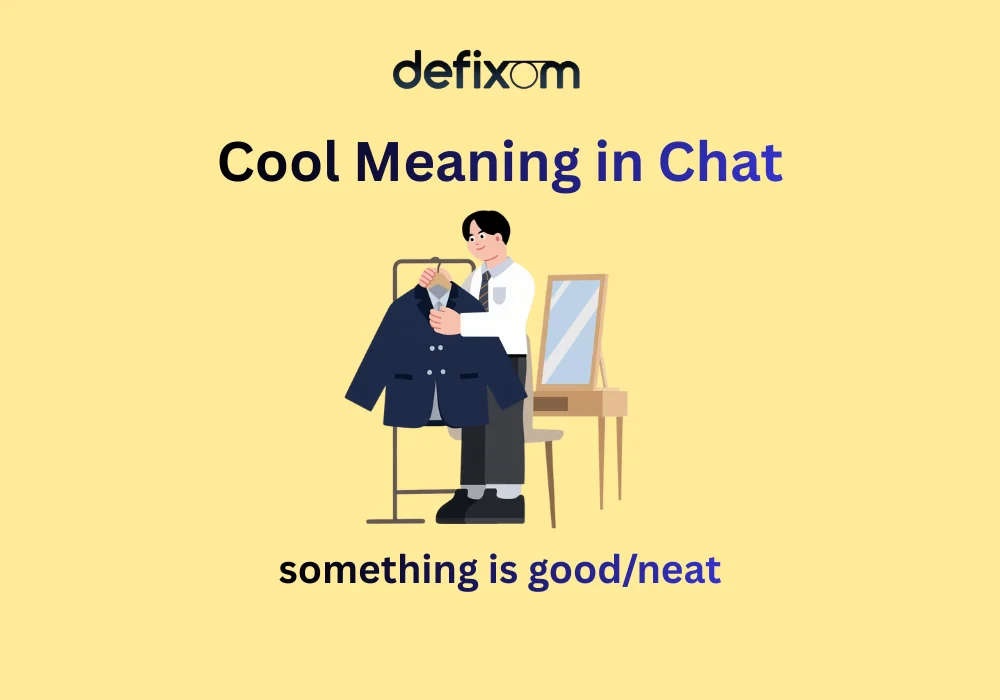
In traditional English, “cool” describes something trendy, stylish, or excellent. In chat and texting culture, it retains these meanings but can also convey tone, emotion, or agreement.
Key Meanings:
- Approval or Agreement – “Cool” can mean “okay” or “got it.”
Example:
Friend: “Let’s meet at 7 PM.”
You: “Cool!” - Compliment or Praise – Expressing admiration or excitement.
Example:
“That new game looks cool!” - Nonchalant or Laid-back Reaction – Sometimes used to signal calmness or indifference.
Example:
Friend: “I accidentally deleted the files.”
You: “Cool… no worries.”
Origin:
The word “cool” dates back to the 1940s jazz scene, symbolizing style, calm, and collected behavior. In online chat, it evolved into a casual expression of positivity, approval, or agreement, making it a staple in texting vocabulary today.
How to Use “Cool” in Texts or Chat
Using “cool” correctly depends on context, tone, and your relationship with the recipient. Here’s a guide:
1. As a Quick Acknowledgment
- When you want to acknowledge a message without extra words.
- Often used in informal chats like WhatsApp, Messenger, or iMessage.
Example:
Friend: “I’ll bring snacks for the party.”
You: “Cool!”
2. To Show Excitement or Approval
- Add emphasis with punctuation or emojis.
Example:
“That new movie looks cool 😎”
3. To Signal Calmness or Acceptance
- Sometimes used to de-escalate or remain neutral in conversations.
Example:
Friend: “I can’t come to the meetup after all.”
You: “Cool, maybe next time.”
4. With Sarcasm or Passive Tone
- Watch out! Depending on context, “cool” can sound sarcastic.
- Tone is key; in chat, lack of voice cues can make this tricky.
Example:
Friend: “I accidentally spilled coffee on your laptop.”
You: “Cool…”
Examples of “Cool” in Conversations
Seeing “cool” in action helps you grasp its versatility.
1.Example 1: Casual Agreement
Friend: “Let’s grab lunch at 1.”
You: “Cool!”
2.Example : Compliment
“That outfit is so cool!”
3.Example : Sarcastic or Nonchalant Reaction
Friend: “I forgot your birthday.”
You: “Cool… thanks for remembering.”
4.Example : Enthusiastic Reaction with Emoji
“Just got tickets to the concert! Cool 😎🎉”
Common Mistakes or Misunderstandings
Even a simple word like “cool” can be misinterpreted if not used carefully.
1.Mistake : Overusing “Cool”
- Using “cool” for every response can seem lazy or disengaged.
- Mix it with other expressions like “awesome,” “nice,” or “sounds good.”
2.Mistake : Sarcasm Confusion
- Without tone of voice, your “cool” might seem passive-aggressive.
- Add emojis or punctuation to clarify intent.
3.Mistake : Using “Cool” in Formal Communication
- Avoid using “cool” in professional emails or formal messaging.
- Stick to “understood,” “noted,” or “sounds good.”
Related Slangs or Abbreviations
If you love using “cool”, there are other related words and abbreviations to expand your chat vocabulary:
- Lit – Something exciting or fun.
Example: “The party was lit!” - Dope – Stylish, impressive, or excellent.
Example: “That new song is dope.” - 👌 – Emoji shorthand for “cool” or “perfect.”
Using these alongside “cool” keeps your texts fresh and modern in 2026.
Tips for Using “Cool” Effectively
- Read the Room – Consider the recipient and context.
- Mix it Up – Use synonyms to avoid repetitive replies.
- Use Emojis – Emojis can help convey tone and emotion.
- Keep it Casual – “Cool” works best in informal chats.
Conclusion:
The word “cool” may seem simple, but it’s a versatile tool in modern texting. Whether showing agreement, admiration, or casual acceptance, understanding its nuances ensures your messages come across clearly and appropriately.
Remember, tone and context matter—especially in chat where voice cues are missing. By using “cool” thoughtfully, along with related slang like “lit” or “dope”, you’ll sound natural, trendy, and in tune with online culture.
Updated for 2026, this guide ensures you stay current with how people communicate in social media, forums, and instant messaging apps. So next time someone texts you, you’ll know exactly how to respond with cool confidence.

I am a curious writer at Defixom who loves breaking down words, meanings, and ideas into simple, easy-to-understand explanations. My goal is to help readers quickly find clear answers without confusion, using clean language and real human insight.