Understanding modern texting slang is more important than ever in 2026 because online conversations move fast, and short words often carry multiple meanings. One such confusing term is “air meaning” or simply “air” in text messages.
Depending on context, it can mean ignoring someone, expressing feelings, or even referring to space or attitude in a conversation.
If you’ve ever seen someone say “don’t air me” or “he aired me” and felt confused, you’re not alone. This guide breaks down everything in a simple, human-friendly way so you can understand and use it correctly in chats, social media, and online communities.
What Does “Air” Mean in Text? (Definition & Origin)
The keyword air meaning in text can have multiple interpretations depending on how it is used. Unlike fixed abbreviations (like LOL or BRB), “air” is a flexible slang term.
1. “Air” = To Ignore Someone
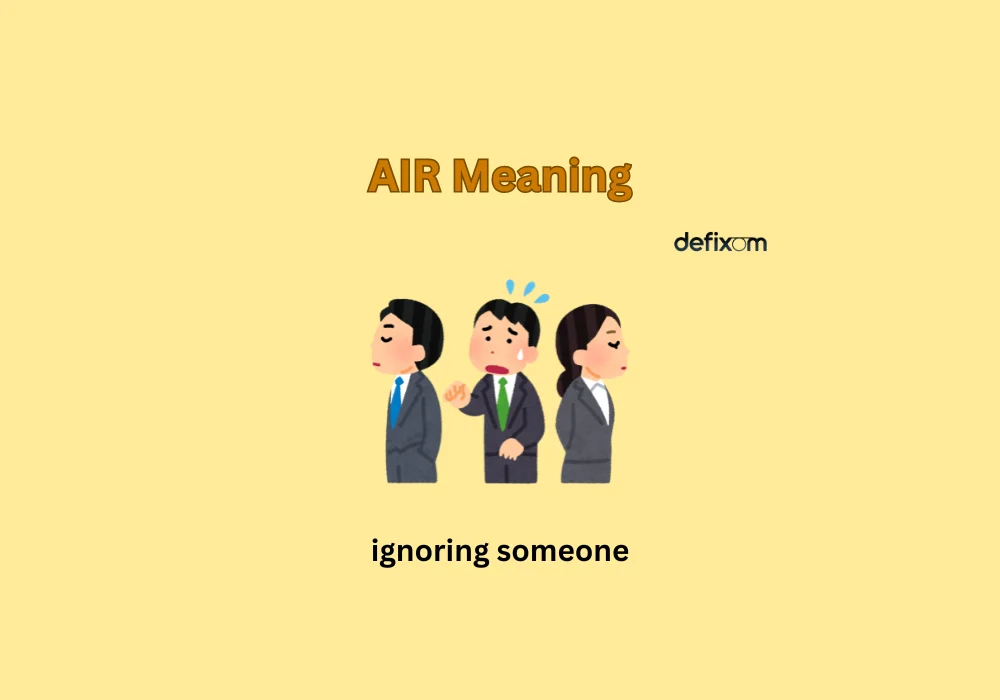
In most modern texting slang (especially UK and social media usage), “to air someone” means to ignore them deliberately.
- Example: “She aired my message for 3 hours.”
👉 Meaning: She saw the message but didn’t reply.
This usage comes from the idea of “airing something out” or leaving it unattended like letting it disappear into the air without response.
2. “Air” = To Express or Vent Feelings
Another common meaning is to “air out” your thoughts or emotions, especially in conversations or online posts.
- Example: “He needed to air his feelings after the argument.”
👉 Meaning: He wanted to express what he was feeling.
This version is more formal and is often used in emotional or serious conversations.
3. “Air” = Space, Vibe, or Presence
In some casual contexts, “air” can also refer to the atmosphere or vibe of a situation.
- Example: “There’s weird air between us lately.”
👉 Meaning: The mood feels awkward or uncomfortable.
Origin of the Slang
The slang usage of “air” mostly comes from UK urban language and social media platforms like TikTok, Snapchat, and Instagram. Over time, it spread globally as messaging apps made short slang expressions more popular.
How to Use “Air” in Texts or Chat
Using air meaning in text conversations correctly depends on tone and context. It’s not a word you randomly insertit d escribes behavior or emotional situations.
Here’s how you can use it naturally:
1. Ignoring Someone (Most Common Use)
Use this when someone doesn’t respond or avoids you.
- “Bro is airing me again 😭”
- “Why are you airing my texts?”
👉 This is very common in friend groups and casual chats.
2. Expressing Emotions or Issues
Use “air out” when talking about feelings or problems.
- “We need to air out this issue before it gets worse.”
- “She finally aired her concerns in the group chat.”
3. Describing Awkward Situations
Use it to describe uncomfortable energy.
- “The air between them was so tense after the fight.”
Important Tip
Do NOT confuse “air” with similar slang like:
- “ghosting” (completely disappearing without explanation)
- “left on read” (seen but not replied to)
👉 “Air” usually means intentional ignoring or emotional expression, depending on context.
Examples of “Air” in Conversations
Let’s look at real-life style chats so you understand it better.
1 Example : Friend Chat (Ignoring Meaning)
A: “Did you reply to Sarah?”
B: “Nah, I aired her.”
👉 Meaning: I ignored her message.
2 Example : Social Media Chat
User 1: “Why did you air my comment?”
User 2: “I didn’t see it lol”
3 Example : Emotional Expression
A: “You seem off today.”
B: “Yeah, I need to air some stuff out.”
👉 Meaning: I need to talk about my feelings.
4 Example : Group Chat Drama
- “Stop airing me in the group chat 😭”
- “He aired the whole conversation like it didn’t matter”
5 Example : Romantic Context
- “She aired me after the date… I guess I messed up.”
These examples show how flexible the slang is depending on tone and situation.
Common Mistakes or Misunderstandings
Even though air meaning in text seems simple, many people misunderstand it.
1. Thinking It Only Means “Ignore”
While that is the most popular meaning, it can also mean:
- expressing feelings
- describing awkward energy
2. Confusing It with “Ghosting”
- Ghosting = complete disappearance
- Air = often temporary or intentional ignoring
👉 Example:
- Ghosting: No replies ever again
- Airing: Ignoring for a while but still active
3. Using It in Formal Messages
“Air” is slang. Avoid using it in:
- professional emails
- workplace communication
- academic writing
4. Misusing “Air” in the Wrong Context
Some beginners use it like:
- “I air homework” ❌ (incorrect)
- “I aired my phone” ❌ (incorrect)
Correct usage always relates to people, emotions, or communication, not objects.
Related Slangs or Abbreviations
If you are learning air meaning in text, you should also know these related slang terms:
1. Ghosting
- Completely ignoring someone without explanation
2. Left on Read
- Message seen but not replied to
3. DND (Do Not Disturb)
- Not available for communication
4. Vibe Check
- Assessing mood or energy
5. Salty
- Feeling annoyed or bitter
6. Muted
- Ignoring notifications or someone online
Bonus Insight (2026 Trend)
In 2026, slang like “air” is often used more on:
- TikTok comment sections
- Discord chats
- Instagram DMs
- Snapchat streak conversations
It’s part of a bigger trend where short emotional expressions replace long sentences.
Why Understanding “Air Meaning in Text” Matters
Knowing slang like air meaning in text conversations helps you:
- Avoid misunderstandings in chats
- Respond correctly in social situations
- Understand online humor and drama
- Stay updated with Gen Z communication style
In modern communication, missing slang meanings can make you feel “out of the loop,” especially in fast-moving group chats or social media threads.
Conclusion
To sum it up, the air meaning in text is flexible but usually falls into three main uses: ignoring someone, expressing feelings, or describing awkward emotional energy. The most common usage today is “to air someone,” meaning to deliberately ignore them in a chat or conversation.
As online communication continues to evolve in 2026, slang like “air” becomes even more common across social platforms. Understanding it helps you stay connected, avoid confusion, and communicate more naturally with friends online.

I am the voice behind Defixom, a site dedicated to explaining meanings in a clear and simple way. I love turning confusing words into easy explanations so anyone can understand them in seconds. My goal is to make learning meanings fast, friendly, and stress-free.