Understanding internet slang isn’t just about staying trendy—it’s about communicating respectfully and accurately in a fast-evolving digital world.
One abbreviation that’s become increasingly common across platforms like TikTok, Reddit, and Twitter (X) is “AFAB Meaning.”
If you’ve seen it in bios, comments, or conversations and wondered what it means, you’re not alone. This guide breaks it all down in a simple, human way—so you can understand, use, and respond to AFAB correctly.
What Does “AFAB” Mean? (Definition & Origin)
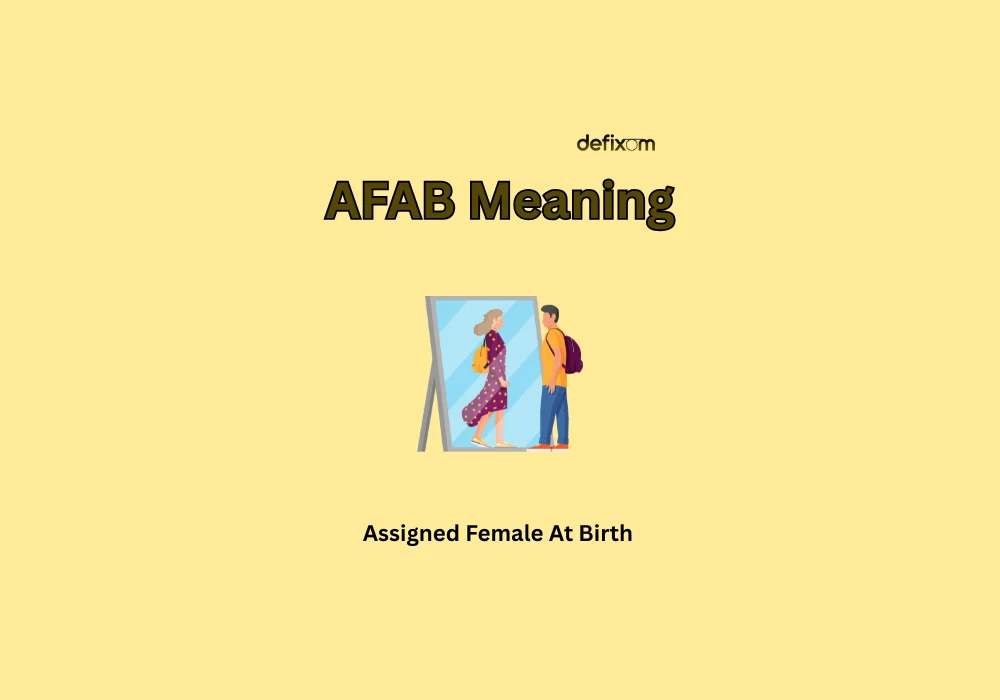
AFAB stands for:
👉 Assigned Female At Birth
It refers to a person who was labeled female when they were born based on physical anatomy (like external genitalia).
Key Points:
- It describes biological assignment at birth, not necessarily current identity.
- A person who is AFAB may or may not identify as a woman.
- It’s commonly used in conversations about gender identity, inclusivity, and LGBTQ+ topics.
Origin of AFAB
The term originated in medical and academic contexts, where doctors assign a sex (male or female) at birth. Over time, it became widely used in online communities, especially in discussions about gender diversity.
Why Not Just Say “Female”?
Because AFAB ≠ gender identity.
For example:
- Someone can be AFAB but identify as non-binary or male.
- The term avoids assumptions and is considered more inclusive and precise.
How to Use “AFAB” in Texts or Chat
Using AFAB correctly is all about context and respect. It’s not casual slang like “LOL”—it carries real meaning tied to identity and lived experiences.
Common Contexts Where AFAB Is Used:
- Social media bios
- Discussions about gender identity
- Health-related topics (e.g., reproductive health)
- Online forums (Reddit, Discord, Tumblr)
Correct Usage Examples:
- “I’m AFAB but identify as non-binary.”
- “AFAB people may experience certain social expectations growing up.”
- “This health issue mostly affects AFAB individuals.”
Tips for Using AFAB Properly:
✔ Use it when discussing biological assignment, not identity
✔ Be respectful—don’t assume someone’s identity
✔ Only use it when relevant (don’t overuse it unnecessarily)
Examples of “AFAB” in Conversations
Here are some realistic and relatable chat examples so you can see how AFAB appears naturally:
1. Casual Chat
Person A: “Wait, are you a girl?”
Person B: “I’m AFAB, but I identify as non-binary.”
👉 This clarifies identity without forcing labels.
2. Social Media Bio
“✨ Non-binary | AFAB | they/them”
👉 Common format used for self-identification.
3. Online Discussion
“AFAB people often face different societal pressures compared to AMAB individuals.”
👉 Used in educational or awareness contexts.
4. Funny/Relatable Scenario
“My AFAB childhood = being told to ‘sit properly’ 24/7 😭”
👉 Shows shared experiences growing up.
5. Health Context
“Some AFAB individuals may need regular gynecological checkups.”
👉 Used in medical accuracy discussions.
Common Mistakes or Misunderstandings
Even though AFAB is widely used, many people misunderstand it. Let’s clear that up.
Mistake #1: Thinking AFAB Means “Woman”
Not true.
👉 AFAB = assigned female at birth
👉 Woman = gender identity
These are NOT the same.
Mistake #2: Using AFAB as a Label for Others
Avoid saying:
- “You look AFAB”
- “That person is AFAB”
👉 It’s personal information—let people define themselves.
Mistake #3: Confusing AFAB with AMAB
- AFAB = Assigned Female At Birth
- AMAB = Assigned Male At Birth
Mixing them up can lead to awkward or disrespectful conversations.
Mistake #4: Overusing It in Casual Chat
Not every situation needs it.
Instead of:
- “My AFAB friend likes coffee”
Just say:
- “My friend likes coffee”
👉 Use it only when relevant.
Related Slangs or Abbreviations
To fully understand AFAB, you should know these related terms:
1. AMAB
👉 Assigned Male At Birth
Used as the counterpart to AFAB.
2. Non-Binary (NB or Enby)
👉 A gender identity outside the male/female binary.
3. Cisgender (Cis)
👉 Someone whose gender identity matches their assigned sex at birth.
Example:
- AFAB + identifies as a woman = cisgender woman
4. Transgender (Trans)
👉 Someone whose gender identity differs from their assigned sex at birth.
Example:
- AFAB + identifies as male = transgender man
5. Genderfluid
👉 A person whose gender identity changes over time.
6. They/Them Pronouns
👉 Gender-neutral pronouns often used by non-binary individuals.
When Should You Use AFAB? (Practical Guide)
Here’s a quick breakdown of when it makes sense to use AFAB:
✅ Use AFAB When:
- Talking about gender identity topics
- Discussing biological or medical contexts
- Someone uses it for themselves
❌ Avoid Using AFAB When:
- It’s irrelevant to the conversation
- You’re guessing someone’s identity
- You’re using it as a casual label
Why AFAB Matters in 2026 (Trend & Relevance)
Language evolves—and AFAB is part of a broader shift toward inclusive communication.
Why It’s Trending:
- Increased awareness of gender diversity
- Popularity on platforms like TikTok & Reddit
- More people sharing personal identity journeys
Real 2026 Usage Trends:
- Seen in Gen Z and Gen Alpha conversations
- Common in mental health and identity discussions
- Frequently used in bio descriptions and hashtags
👉 Understanding AFAB helps you avoid awkward mistakes and communicate respectfully in modern online spaces.
Quick Recap (TL;DR)
- AFAB = Assigned Female At Birth
- It refers to biological assignment, not identity
- Common in LGBTQ+ and gender discussions
- Use it respectfully and only when relevant
- Don’t assume someone’s identity based on it
Conclusion
The term AFAB might seem like just another internet abbreviation, but it carries important meaning about identity, respect, and inclusivity. In today’s digital world—especially in 2026—understanding terms like this helps you communicate more thoughtfully and avoid common misunderstandings.
By learning how to use AFAB correctly, you’re not just keeping up with slang—you’re becoming a more aware and respectful communicator in online spaces.
So next time you see “AFAB” in a bio or message, you’ll know exactly what it means—and how to respond appropriately.

I am a curious writer at Defixom who loves breaking down words, meanings, and ideas into simple, easy-to-understand explanations. My goal is to help readers quickly find clear answers without confusion, using clean language and real human insight.