A Complete Guide to Understanding “Wince” in Modern Digital Conversations
Understanding wince meaning is more important than you might think—especially in today’s fast-paced texting, social media, and online chat culture.
Words that once described physical reactions are now widely used to express emotions, reactions, and even humor in digital conversations.
If you’ve ever seen someone type “that made me wince” in a chat or comment section and wondered what they really meant, you’re not alone.
What Does “Wince” Mean? (Definition & Origin)
Basic Definition of Wince
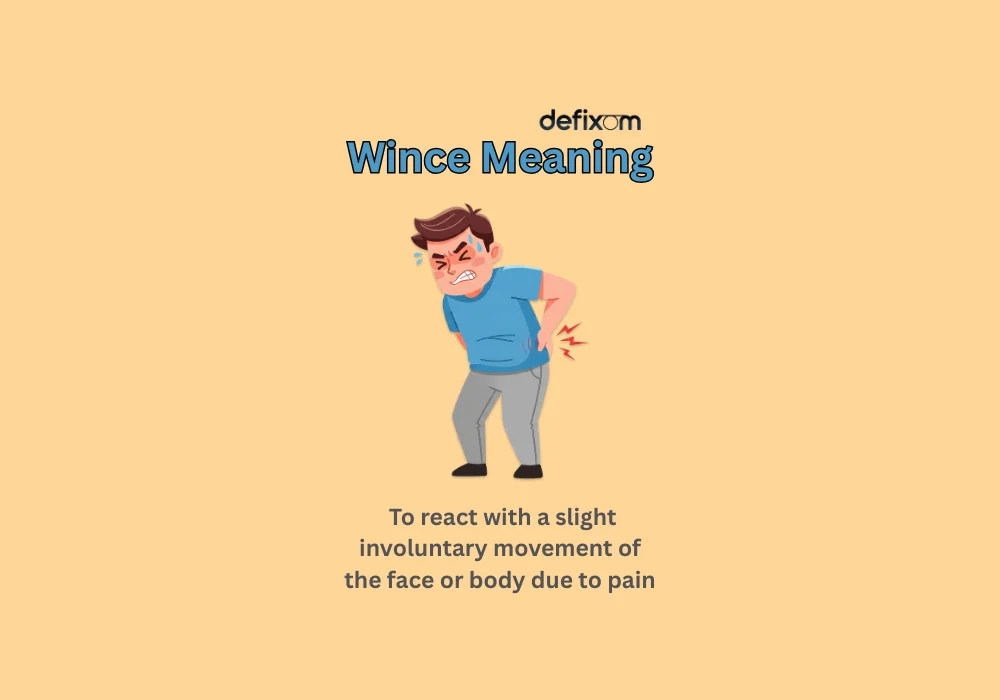
The word wince means to react with a slight involuntary movement of the face or body due to pain, embarrassment, discomfort, or emotional unease.
In simple terms, when you wince, you’re reacting to something that makes you feel uncomfortable—physically or emotionally.
Example (classic meaning):
He winced when the doctor touched his injured arm.
Origin of the Word “Wince”
The term wince dates back to Middle English and Old French, where it meant to recoil or flinch. Over time, its meaning evolved to describe subtle reactions rather than dramatic movements.
Today, wince meaning has expanded beyond physical pain into digital expressions of emotional reactions.
Wince Meaning in Texting & Online Chats
In modern chat language, wince is often used to describe:
- Emotional discomfort 😬
- Second-hand embarrassment
- Cringe-worthy moments
- Sympathy for someone else’s pain or mistake
Texting example:
“Oof, that typo made me wince.”
Here, no physical pain exists—only emotional or social discomfort.
How to Use “Wince” in Texts or Chat
When Is It Appropriate to Use “Wince”?
You can use wince when reacting to something that feels awkward, painful, or embarrassing—even if you’re not physically affected.
Common contexts include:
- Text messages
- Instagram comments
- Twitter/X replies
- Reddit threads
- Discord chats
Wince vs Flinch vs Cringe
Many people confuse these words, so let’s clarify:
| Word | Meaning | Usage Style |
|---|---|---|
| Wince | Subtle reaction to discomfort | Emotional or physical |
| Flinch | Sudden physical movement | Mostly physical |
| Cringe | Strong embarrassment | Internet slang-heavy |
👉 Wince sits perfectly between flinch and cringe.
Tone Matters
Using wince can sound:
- Empathetic
- Polite
- Slightly humorous
- Emotionally aware
It’s a softer, more thoughtful word compared to harsh slang.
Examples of “Wince” in Conversations
Casual Texting Examples
- “That dentist video made me wince 😖”
- “I winced reading that breakup message.”
- “I felt that… made me wince a little.”
Social Media Examples
- “Watching that fall replayed in slow-mo made me wince.”
- “This comment section is making me wince 😬”
- “Every time he misspells your name, I wince.”
Funny or Relatable Usage
- “When autocorrect exposes you in front of everyone… I wince.”
- “That secondhand embarrassment hit hard—I winced.”
These examples show how wince meaning adapts naturally to modern humor.
Common Mistakes or Misunderstandings
#1Mistake: Using ‘Wince’ for Extreme Pain
❌ “I winced for three hours after surgery.”
✔ Better: “I was in severe pain after surgery.”
Wince refers to a momentary reaction, not long-lasting pain.
#2Mistake: Confusing Wince with Laughing
Some users mistakenly think wince means laughing awkwardly.
❌ “That joke made me wince laughing.”
✔ Correct: “That joke made me cringe/laugh.”
#3Mistake: Overusing It
Using wince in every reaction can feel forced. Save it for moments that genuinely feel uncomfortable or awkward.
Related Slangs or Abbreviations
If you’re learning wince meaning, these related terms are worth knowing:
Cringe
- Strong embarrassment or awkwardness
- Example: “That post is pure cringe.”
Oof
- Reaction to pain, mistake, or failure
- Example: “Oof, that hurt.”
Yikes
- Shock or mild disapproval
- Example: “Yikes, that didn’t age well.”
SMH
- Shaking my head (disapproval)
- Example: “SMH, that comment…”
Why “Wince” Is Trending Again in 2026
Language trends cycle, and wince is experiencing renewed popularity because:
- People want softer reactions instead of harsh slang
- It fits empathetic online communication
- It sounds more mature and expressive
- It works well in both formal and casual contexts
In 2026, users are blending emotional intelligence with internet language—and wince fits perfectly.
How to Use “Wince” Correctly (Quick Guide)
Do Use “Wince” When:
- Reacting to awkward moments
- Expressing secondhand embarrassment
- Showing empathy
- Commenting politely
Avoid Using “Wince” When:
- Describing long-term pain
- Reacting to happy moments
- Trying to sound overly dramatic
Conclusion:
Understanding wince meaning helps you read between the lines in modern conversations. Whether it’s physical discomfort, emotional awkwardness, or secondhand embarrassment, wince is a subtle yet powerful word that adds depth to digital communication.
In 2026, where tone and emotional awareness matter more than ever, using words like wince correctly can make your messages feel more human, relatable, and thoughtful.
Now that you know how to use it confidently, try spotting wince in real conversations—or use it yourself the next time something makes you feel that kind of uncomfortable 😬

I am the voice behind Defixom, a site dedicated to explaining meanings in a clear and simple way. I love turning confusing words into easy explanations so anyone can understand them in seconds. My goal is to make learning meanings fast, friendly, and stress-free.