In today’s fast-moving digital conversations, words and phrases often carry deeper emotional weight than we realize. One phrase you might see pop up in texts, DMs, or online forums is “walking on eggshells.” While it’s not a new slang term, it’s widely used in modern chat culture to describe emotional tension, discomfort, or fear of saying the wrong thing.
Understanding the walking on eggshells meaning is important because it helps you read between the lines of conversations—especially when emotions, relationships, or sensitive topics are involved. Whether you’ve seen it in a text message, tweet, or Reddit thread, this guide will break it down clearly and practically.
This article explains what “walking on eggshells” means in texting and chat, how to use it correctly, common misunderstandings, and related expressions you’ll often see online.
What Does “Walking on Eggshells” Mean? (Definition & Origin)
Simple Definition
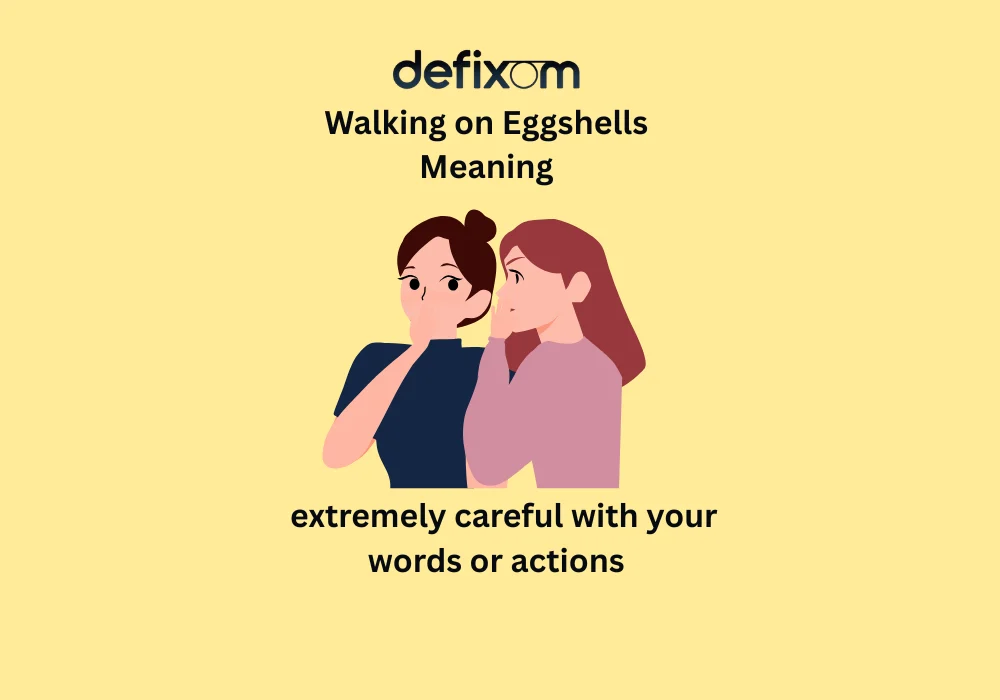
Walking on eggshells means being extremely careful with your words or actions because you’re afraid of upsetting, offending, or triggering someone. It implies emotional tension, stress, or an unstable situation.
In texting and chat, it often signals:
- Anxiety in communication
- Fear of conflict
- Emotional sensitivity
- Unequal power dynamics in a relationship
Example (text):
“I feel like I’m walking on eggshells every time I talk to them.”
Origin of the Phrase
The phrase comes from the literal image of trying to walk on fragile eggshells without breaking them—an almost impossible task. Over time, it evolved into a metaphor for delicate emotional situations.
Although the phrase predates the internet, its usage has exploded online due to:
- Relationship discussions on social media
- Mental health awareness
- Workplace culture conversations
- Therapy-related content on TikTok, X (Twitter), and Reddit
Walking on Eggshells Meaning in Texting & Online Chat
In modern digital communication, walking on eggshells is rarely literal. Instead, it’s used to express emotional discomfort or communication anxiety.
What It Usually Implies in Texts
When someone says they’re walking on eggshells, they often mean:
- They’re censoring themselves
- They don’t feel emotionally safe
- They expect a negative reaction
- The relationship feels tense or draining
Example:
“I can’t joke around anymore. I’m constantly walking on eggshells.”
Emotional Tone in Chat
The tone is usually:
- Frustrated
- Drained
- Honest
- Vulnerable
In 2026, the phrase is especially common in:
- Relationship advice posts
- Group chat conflicts
- Workplace Slack or Teams messages
- Therapy and self-growth content
How to Use “Walking on Eggshells” in Texts or Chat
Using this phrase correctly depends on context and tone. It’s not playful slang—it’s emotionally loaded.
Correct Ways to Use It
You typically use it when describing:
- A difficult relationship
- A tense environment
- Ongoing emotional stress
Examples:
- “Talking to my boss feels like walking on eggshells.”
- “I hate that I feel like I’m walking on eggshells around my friends.”
Where It’s Commonly Used
You’ll often see walking on eggshells in:
- Text messages and DMs
- Reddit relationship threads
- TikTok captions about toxic behavior
- Workplace chats discussing burnout
- Mental health forums
When NOT to Use It
Avoid using it:
- As a joke in light conversations
- When emotional nuance isn’t needed
- In situations that don’t involve tension
Misusing it can make a situation seem more serious than it is.
Examples of “Walking on Eggshells” in Conversations
Here are some realistic, modern examples that show how people actually use this phrase online.
1.Example : Relationship Text
“Every time I bring something up, it turns into an argument. I’m tired of walking on eggshells.”
2.Example : Workplace Chat
“The team dynamic is off lately. Everyone’s walking on eggshells in meetings.”
3.Example : Friend Group DM
“Why does it feel like we can’t say anything without drama? I’m walking on eggshells here.”
4.Example : Social Media Post
“If you feel like you’re always walking on eggshells, it might be time to protect your peace.”
5.Example : Therapy or Self-Help Context
“Walking on eggshells is a sign your boundaries aren’t being respected.”
These examples show how the phrase reflects emotional pressure, not physical action.
Common Mistakes or Misunderstandings
Despite being widely used, walking on eggshells is often misunderstood—especially by non-native English speakers or younger users.
1.Mistake : Taking It Literally
Some people think it means:
- Being careful in general
- Moving slowly
- Acting shy
But it specifically refers to emotional or psychological tension, not physical caution.
2.Mistake : Using It Casually
This phrase carries emotional weight. Saying:
“I’m walking on eggshells choosing a pizza topping”
can sound exaggerated or sarcastic unless used intentionally for humor.
3.Mistake : Confusing It with “Being Polite”
Being polite ≠ walking on eggshells.
Walking on eggshells implies:
- Fear of reaction
- Emotional imbalance
- Ongoing stress
Politeness is voluntary; walking on eggshells feels forced.
Psychological & Emotional Meaning Behind the Phrase
In 2026, the phrase is strongly linked to mental health awareness.
What It Can Signal
Feeling like you’re walking on eggshells may indicate:
- Emotional manipulation
- Unhealthy boundaries
- Toxic relationships
- Poor communication dynamics
This is why therapists and mental health creators often use the phrase online.
Why It Resonates Today
Modern life includes:
- Constant online communication
- Cancel culture anxiety
- Hyper-awareness of words
- Social pressure
As a result, many people relate to the feeling of having to constantly self-monitor what they say.
Related Slangs or Abbreviations
While walking on eggshells isn’t an abbreviation, it’s closely related to modern slang and phrases used in chat.
Similar Expressions
- Tiptoeing around – avoiding direct topics
- On thin ice – close to causing trouble
- Holding my tongue – not speaking honestly
- Filtering myself – censoring thoughts
- Draining energy – emotional exhaustion
Modern Slang with Similar Meaning
- Low-key stressed
- Mentally exhausted
- Emotionally unsafe
- Red flag behavior
- Toxic vibes
How to Respond When Someone Says They’re “Walking on Eggshells”
If someone tells you this in a chat, it’s a serious emotional cue.
Helpful Responses
- “I’m sorry you feel that way—do you want to talk about it?”
- “I didn’t realize that. Thanks for being honest.”
- “No one should feel that stressed communicating.”
What NOT to Say
- “You’re overreacting.”
- “That’s just how I am.”
- “You’re too sensitive.”
Dismissive replies can deepen the emotional gap.
Is “Walking on Eggshells” Negative or Neutral?
The phrase is mostly negative, but it’s also honest and self-aware.
Negative Aspects
- Indicates stress
- Shows emotional imbalance
- Suggests unresolved conflict
Positive Use
It can be positive when:
- Acknowledging a problem
- Starting a healthy conversation
- Setting boundaries
Recognizing the feeling is often the first step toward change.
Why Understanding “Walking on Eggshells” Matters in 2026
Language shapes how we understand emotions online. Knowing the walking on eggshells meaning helps you:
- Read emotional subtext in messages
- Communicate with empathy
- Avoid misunderstandings
- Navigate relationships more thoughtfully
In an era where most conversations happen digitally, emotional clarity matters more than ever.
Conclusion:
To sum it up, walking on eggshells means feeling like you must be extremely careful with your words or actions to avoid emotional fallout. In texts and online chat, it often signals tension, anxiety, or emotional exhaustion rather than casual caution.
Updated for 2026, this phrase remains highly relevant in conversations about relationships, mental health, and workplace dynamics. Understanding its meaning helps you respond with empathy and communicate more clearly in today’s digital world.

I am the voice behind Defixom, a site dedicated to explaining meanings in a clear and simple way. I love turning confusing words into easy explanations so anyone can understand them in seconds. My goal is to make learning meanings fast, friendly, and stress-free.