What “Validity” Really Means Online, in Messages, and Modern Conversations
In today’s fast-moving digital world, words often take on new shades of meaning—especially in texting, social media, and online chats. One such word is “validity.” You may see it in comments, DMs, forums, or even memes, and wonder:
What does validity mean in chat? Is it the same as the dictionary meaning, or has the internet changed it?
Understanding the validity meaning is important because it helps you interpret opinions, arguments, and reactions correctly. In online culture, calling something “valid” or questioning its “validity” can signal agreement, respect, skepticism, or debate—all without long explanations.
👉 Updated for 2026, this guide breaks down everything you need to know in a simple, human way.
What Does “Validity” Mean? (Definition & Origin)
Basic Definition of Validity
At its core, validity means:
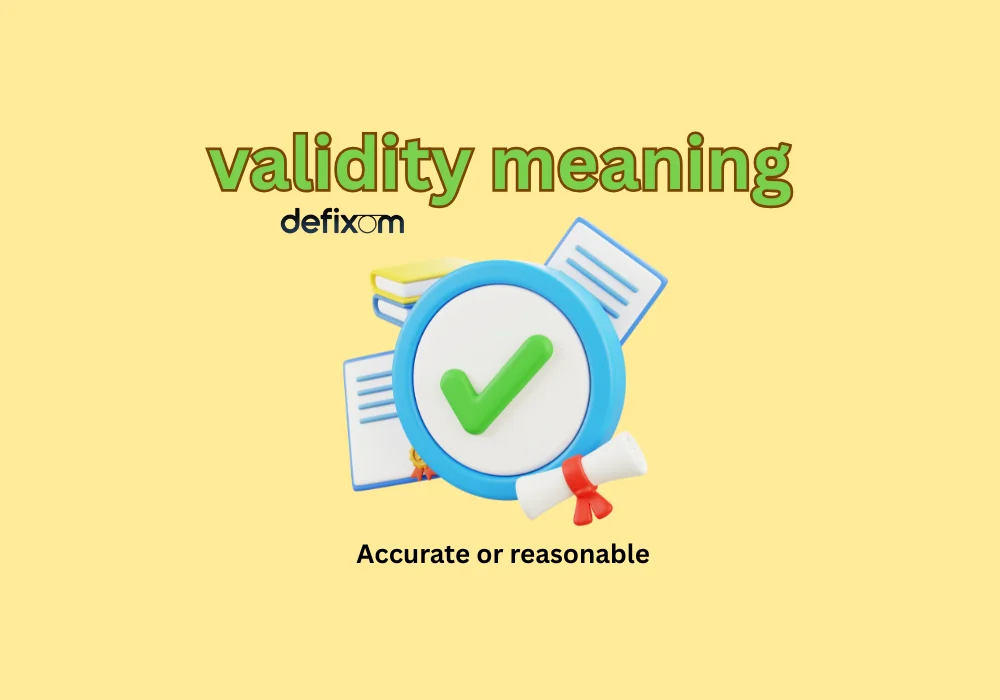
The quality of being true, accurate, reasonable, or acceptable.
When something has validity, it is:
- Logically sound
- Factually correct
- Emotionally or socially justified
In simple words, validity = “this makes sense” or “this is legit.”
Origin of the Word “Validity”
The word validity comes from the Latin word validus, meaning:
- Strong
- Worthy
- Effective
Traditionally, validity was used in:
- Law (a valid contract)
- Science & research (valid results)
- Logic & arguments (a valid conclusion)
Over time, the internet and texting culture adopted it in a more casual and emotional way.
Validity Meaning in Modern Chat & Texting
In chats, validity often goes beyond facts. It can mean:
- Emotional truth (“Your feelings are valid”)
- Social acceptance (“That opinion has validity”)
- Agreement without debate (“Valid point”)
💬 Online, validity = recognition + respect.
What Does “Valid” Mean in Texting?
Before we go deeper, it helps to understand the slang form.
“Valid” as Internet Slang
In texting and social media, people rarely type the full word validity. Instead, they say:
- “Valid.”
- “That’s valid.”
- “Still valid.”
In slang, valid usually means:
- “I agree with you”
- “Your point makes sense”
- “You’re justified in feeling that way”
📌 Example:
“I don’t like crowded places.”
“Valid. Same here.”
How to Use “Validity” in Texts or Chat
1. Using Validity to Agree with Someone
Instead of writing long replies, people use validity-related phrases to show agreement.
Examples:
- “There’s validity in what you’re saying.”
- “That argument has some validity.”
- “Your concern is valid.”
This is common on:
- Twitter / X
- Reddit discussions
- Instagram comments
- Group chats
2. Using Validity to Show Emotional Support
One of the most popular uses of validity online is emotional validation.
💙 Example:
“I feel guilty for taking a break.”
“Your feelings have validity. Rest is important.”
Here, validity means:
- Your emotions are real
- You’re not overreacting
- You’re allowed to feel this way
3. Questioning Validity (Politely or Not)
Sometimes, validity is used to challenge ideas.
Examples:
- “I’m not sure about the validity of that claim.”
- “What’s the validity behind this information?”
This is common in:
- Online debates
- Fact-checking discussions
- News comment sections
⚠️ Tone matters. It can sound respectful—or sarcastic.
Examples of “Validity” in Real Conversations
1 Example : Casual Texting
Friend A: “I think online classes are more exhausting than in-person ones.”
Friend B: “There’s definitely validity in that.”
👉 Meaning: I agree, and your point makes sense.
2 Example : Social Media Comment
“This post highlights the validity of mental health days at work.”
👉 Meaning: The post proves that mental health days are justified.
3 Example : Online Debate
“The study raises questions about the validity of the survey results.”
👉 Meaning: The accuracy or reliability is being questioned.
4 Example : Slang-Style Reply
User: “I skip parties because they drain me.”
Reply: “Valid.”
👉 Meaning: Totally understandable.
Validity vs Truth: Are They the Same?
Not exactly—and this is where people get confused.
Truth
- Based on facts
- Objective
- Proven or false
Validity
- Can be logical or emotional
- Context-based
- Can exist without absolute truth
📌 Example:
“Your fear is valid” doesn’t mean the fear is fact-based—it means it’s understandable.
Common Mistakes or Misunderstandings
1. Thinking Validity Always Means “100% True”
❌ Wrong: Valid = always factual
✅ Correct: Valid = reasonable or justified
2. Using “Validity” Too Formally in Casual Chats
In texting, saying:
“I acknowledge the validity of your statement”
Sounds robotic 😅
Instead, people prefer:
- “Valid point”
- “That’s valid”
- “Makes sense”
3. Confusing Validity with Popularity
Just because many people agree doesn’t always mean something has validity.
📌 Viral ≠ Valid
Related Slangs or Abbreviations (2026)
Here are slang terms often used alongside or instead of validity:
1. “Valid”
- Most common slang form
- Means agreement or understanding
2. “Fair”
- Indicates balanced reasoning
- Example: “That’s fair.”
3. “Makes sense”
- Direct and friendly
- Example: “Yeah, that makes sense.”
4. “Real”
- Internet slang meaning authentic or relatable
- Example: “That’s real.”
5. “No lies”
- Means something is honest or accurate
- Example: “No lies detected.”
Why “Validity” Is So Popular Online (2026 Trend)
In 2026, internet culture values:
- Emotional intelligence
- Respectful disagreement
- Mental health awareness
The word validity fits perfectly because it allows people to:
- Agree without arguing
- Support without fixing
- Debate without attacking
That’s why phrases like “Your feelings are valid” are everywhere—from TikTok to therapy memes.
How to Use “Validity” Correctly (Quick Tips)
✔ Use it to show understanding
✔ Use it to support emotions
✔ Use it to discuss logic or accuracy
❌ Don’t use it sarcastically unless you mean to
❌ Don’t confuse it with proof
Validity Meaning in Professional vs Casual Contexts
Professional Use
- Research validity
- Legal validity
- Data validity
Tone: Formal, evidence-based
Casual / Chat Use
- Emotional validation
- Agreement
- Relatability
Tone: Friendly, supportive, short
Final Thoughts:
To sum it up, the validity meaning has evolved beyond textbooks and classrooms. In modern texting and online chats, validity is about recognition, logic, and empathy. Whether someone is sharing an opinion, an emotion, or an experience, calling it “valid” is a powerful way to say “I hear you.”
In 2026’s digital culture, where conversations are fast and emotions are often shared through screens, validity acts as social glue. It helps people feel understood without long explanations—and that’s why it’s everywhere.
So next time someone drops a long message or a short rant in your chat, you know exactly what to say:

I am a curious writer at Defixom who loves breaking down words, meanings, and ideas into simple, easy-to-understand explanations. My goal is to help readers quickly find clear answers without confusion, using clean language and real human insight.