In today’s fast-paced digital world, communication is quick, snappy, and often full of abbreviations, emojis, and shorthand. But some words remain timeless—and one of them is “taciturn meaning.” You might have come across it in texts, chats, or even social media posts and wondered, “What does taciturn mean exactly, and how do I use it?”
Understanding words like taciturn meaning is not just about boosting your vocabulary; it’s about improving your communication, grasping subtle personality traits, and even decoding the tone behind a message.
Whether you’re chatting with friends, writing a blog, or analyzing character traits in stories, knowing this word will make your language sharper and more precise.
Updated for 2026, this guide will break down taciturn meaning, usage tips, examples, common mistakes, and related expressions. Let’s dive in!
What Does “Taciturn” Mean? (Definition & Origin)
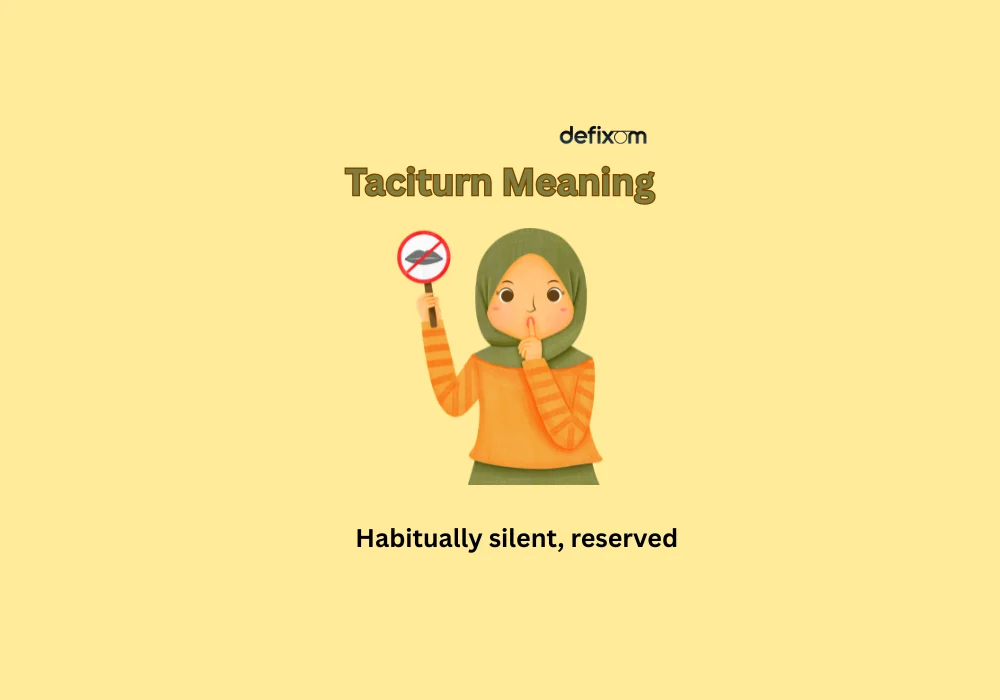
Taciturn is an adjective used to describe someone who is habitually quiet, reserved, or uncommunicative. If someone is taciturn, they typically speak very little, often giving the impression of being serious, thoughtful, or even a little mysterious.
Definition (Simple Version)
- Taciturn (adj.): Reserved or uncommunicative in speech; saying little.
Origin & History
The word “taciturn” comes from the Latin taciturnus, meaning “quiet” or “habitually silent,” which in turn stems from tacere—“to be silent.” Over time, it entered English usage in the 17th century and has since been used in literature, journalism, and everyday conversations to describe quiet individuals.
Fun Fact: While some people might see being taciturn as negative (too shy or cold), others view it as a sign of thoughtfulness or wisdom.
How to Use “Taciturn” in Texts or Chat
Even though taciturn is a formal word, you can absolutely use it in texting or online chats to describe someone or yourself in a witty or precise way. Here are some tips:
1. Describing Yourself
If you don’t talk much and want to playfully let your friends know:
- “I’m usually pretty taciturn, but coffee changes that.”
- “Taciturn mood activated… don’t expect much chatting today 😶.”
2. Talking About Someone Else
Use it to describe a friend, colleague, or character:
- “Our new team member is taciturn but super observant.”
- “He’s taciturn, so don’t take it personally if he doesn’t reply fast.”
3. Lighthearted or Sarcastic Use
Texting can be fun—use taciturn humorously:
- “Me at parties: taciturn but judging silently 😏.”
- “Taciturn level: expert. Ask me anything, get one-word answers.”
4. Emojis and Tone
Pairing the word with emojis can help convey tone, especially since taciturn implies quietness or minimal expression:
- 😶 🤐 🤫 😌
Examples of “Taciturn” in Conversations
Here are real-life scenarios where taciturn might show up in texts, chats, or online messages:
1 Example : Friendly Chat
Friend 1: “Hey, are you joining the group chat today?”
Friend 2: “Probably. I’ll be taciturn, though. Just here to lurk 😅.”
2 Example : Professional Setting
Colleague 1: “How was your meeting with the client?”
Colleague 2: “The client is taciturn. We need to ask clear, direct questions.”
3 Example : Social Media Post
“Some people are loud and expressive, others are taciturn and mysterious. Both are interesting in their own way.”
4 Example : Literature or Online Forums
“The protagonist is taciturn, revealing his depth only through actions, not words.”
Common Mistakes or Misunderstandings
1 Mistake : Confusing Taciturn with Shyness
Even though taciturn seems straightforward, people often misuse it. Here’s how to avoid mistakes:
- Wrong: “She’s taciturn because she’s shy.”
- Right: Taciturn refers to habitual quietness, not necessarily fear or social anxiety.
2 Mistake : Using it as a Verb
- Wrong: “He taciturned during the meeting.”
- Right: Taciturn is an adjective, not a verb: “He was taciturn during the meeting.”
3 Mistake : Assuming Negative Connotation
- Being taciturn isn’t always bad—it can be thoughtful, composed, or dignified.
Related Slangs or Abbreviations
While taciturn isn’t an internet slang itself, it relates to modern shorthand ways people describe quiet behavior in chats:
- Quiet mode / Low-key: Informal, often used in texting.
- “I’m in quiet mode tonight. Taciturn vibes only 😶.”
- Ghosting: Ignoring texts entirely (different from being taciturn, but often confused).
- Introvert: Someone who prefers minimal conversation; taciturn can describe some introverts.
Other formal words with similar meaning:
- Reticent
- Reserved
- Aloof
- Silent
Tips for Using “Taciturn” Naturally Online
- Pair it with context: Use it when the quiet behavior is relevant.
- Use humor or emojis: Makes formal words fit casual chats.
- Avoid overuse: It’s a precise word—perfect for highlighting, not filling sentences.
- Know your audience: Some may not know the meaning—adding a playful explanation can help.
Why Knowing Taciturn is Useful in 2026
In 2026, online communication is faster, but language depth is still valued. Knowing words like taciturn helps you:
- Express subtle personality traits clearly.
- Stand out in chats and social media with precise language.
- Enhance writing skills for blogs, emails, or stories.
- Understand literature, journalism, and even memes that use sophisticated vocabulary.
In short, it bridges casual texting with a touch of eloquence.
Conclusion
Taciturn is more than just a fancy word—it’s a way to describe someone thoughtful, quiet, or habitually reserved. Whether you’re using it in texts, online chats, or social media, it adds clarity, personality, and even humor to your messages.
Remember: being taciturn isn’t negative—it’s a trait that reflects composure, observation, and sometimes mystery. By using it correctly, you can better describe people (including yourself) and make your language stand out.

I am a curious writer at Defixom who loves breaking down words, meanings, and ideas into simple, easy-to-understand explanations. My goal is to help readers quickly find clear answers without confusion, using clean language and real human insight.