Understanding modern slang and idioms is essential in today’s fast-paced digital conversations. One phrase you’ll often see in texts, online chats, business forums, and even memes is “table stakes.”
If you’ve ever paused mid-scroll wondering what someone meant by it, you’re not alone.
In this guide, we’ll break down the table stakes meaning, how it’s used in texting and chat culture, and why it has become such a popular phrase online.
Whether you’re decoding a Slack message, a tweet, or a casual DM, this article will help you understand and use table stakes correctly. Updated for 2026 to reflect current usage and trends.
What Does “Table Stakes” Mean? (Definition & Origin)
Table Stakes Meaning (Simple Definition)
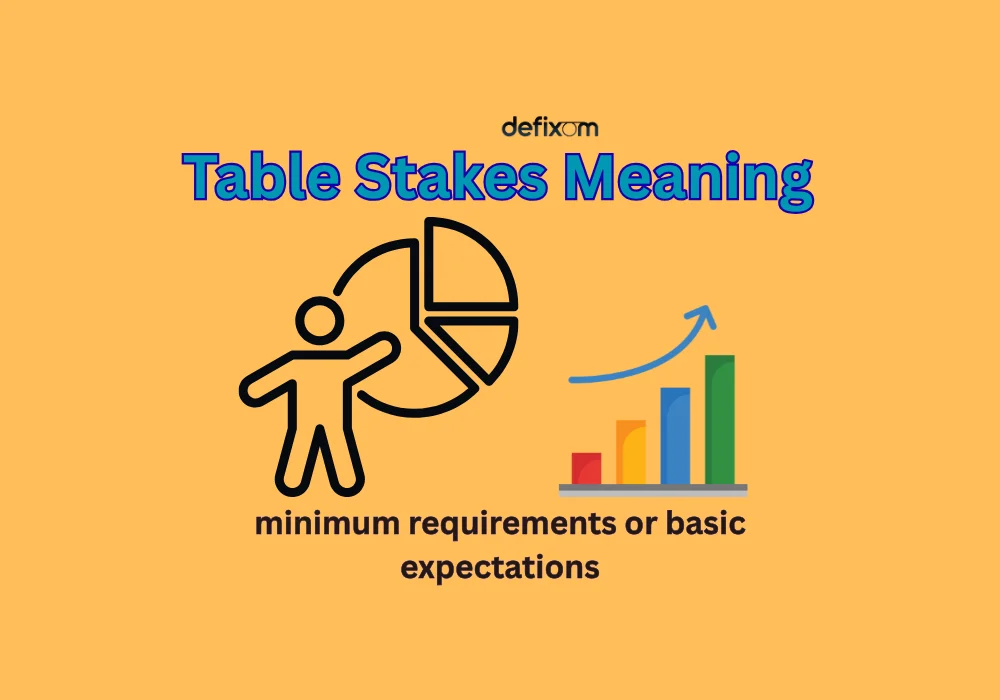
Table stakes refers to the minimum requirements or basic expectations needed to participate in something. In texting or chat, it often means:
“This is the bare minimum.”
“This is expected, not impressive.”
“You can’t play without this.”
In simple terms, if something is “table stakes,” it’s not optional—it’s just the starting point.
Origin of the Term “Table Stakes”
The phrase comes from poker and gambling culture.
In a poker game:
- Table stakes are the money a player must put on the table to join the game.
- Without meeting that amount, you can’t play—no exceptions.
Over time, the term evolved beyond casinos and entered:
- Business language
- Tech discussions
- Workplace chats
- Social media slang
- Everyday texting
By 2026, table stakes is widely used as a metaphor for basic standards in almost any situation.
How to Use “Table Stakes” in Texts or Chat
Common Contexts Where “Table Stakes” Is Used
You’ll often see table stakes used in conversations about:
- 💼 Work & business chats (Slack, Teams)
- 📱 Social media (Twitter/X, LinkedIn, Reddit)
- 🧑💻 Tech and startup discussions
- 🎓 Education and career advice
- 💬 Casual texting and group chats
What People Mean When They Say “That’s Table Stakes”
When someone says something is table stakes, they usually mean:
- It’s expected, not impressive
- It’s the minimum standard
- It won’t give you an advantage—it just lets you compete
Example interpretation:
“Good communication skills are table stakes for this job.”
👉 Translation: Everyone is expected to have them.
Examples of “Table Stakes” in Conversations
Texting & Chat Examples
Here are realistic, 2026-style examples showing how table stakes appears in everyday conversations:
1 Example : Work Chat
“Meeting deadlines is table stakes. What really matters is problem-solving.”
2 Example : Tech Discussion
“AI integration is table stakes for apps in 2026.”
3 Example : Casual Text
“Being polite is table stakes, not a personality trait 😂”
4 Example : Social Media Post
“Posting regularly is table stakes if you want to grow on Instagram.”
Funny or Relatable Usage
People often use table stakes humorously or sarcastically:
“Saying ‘good morning’ is table stakes in a relationship.”
“Having Wi-Fi is table stakes for coffee shops now.”
This playful tone makes the phrase popular in memes and casual online banter.
How to Use “Table Stakes” Correctly
Best Practices for Using “Table Stakes”
To sound natural and confident when using table stakes, keep these tips in mind:
- ✅ Use it to describe minimum requirements
- ✅ Pair it with expectations or standards
- ✅ Keep the tone neutral or lightly sarcastic
- ❌ Don’t use it for achievements or bonuses
Correct vs Incorrect Usage
Correct:
“Basic cybersecurity is table stakes for any online business.”
Incorrect:
“Winning an award is table stakes.” ❌
(Winning is not a minimum requirement.)
Common Mistakes or Misunderstandings
1 Mistake : Confusing Table Stakes With Advantages
Many people mistakenly think table stakes means something impressive.
Reality:
It means the opposite—it’s expected, not special.
2 Mistake : Using It for Optional Features
If something is optional or extra, it’s not table stakes.
Wrong:
“Free gifts are table stakes.”
Right:
“Fast delivery is table stakes.”
3 Mistake : Overusing It in Casual Chat
While popular, using table stakes too often in casual texting can sound overly corporate. Balance is key.
Table Stakes Meaning in Business, Tech, and Social Media
In Business & Workplace Chats
In professional settings, table stakes often describes:
- Required skills
- Basic tools
- Industry standards
Example:
“Remote work flexibility is table stakes for hiring talent in 2026.”
In Tech & Startup Culture
Tech communities frequently use table stakes to describe baseline features:
- Security
- AI tools
- Mobile optimization
Example:
“Cloud support is table stakes for SaaS platforms.”
In Social Media & Content Creation
Creators use table stakes when discussing growth strategies:
- Consistent posting
- Engagement
- Video content
Example:
“Short-form video is table stakes on social platforms now.”
Related Slangs or Abbreviations
If you understand table stakes, you might also enjoy learning these related terms:
- Bare minimum – The least effort required
- Baseline – Starting standard
- Non-negotiable – Must-have requirement
- Cost of entry – What it takes to participate
- Minimum viable – Often used in tech/startups
Why “Table Stakes” Is Still Relevant in 2026
Language evolves, but table stakes remains popular because it:
- Sounds professional yet flexible
- Works in casual and formal conversations
- Clearly sets expectations
- Fits modern digital culture
As online communication becomes more fast-paced, phrases like table stakes help people communicate expectations quickly and efficiently.
Final Thoughts
To sum it up, table stakes means the basic, expected requirement needed to participate in something—nothing more, nothing less.
Whether you see it in a text message, workplace chat, or social media post, it’s usually pointing out what’s considered the bare minimum.
Understanding phrases like table stakes helps you stay fluent in modern digital language and avoid misunderstandings in both professional and casual conversations. As of 2026, it’s still a widely used and relevant term across industries and platforms.

I am the voice behind Defixom, a site dedicated to explaining meanings in a clear and simple way. I love turning confusing words into easy explanations so anyone can understand them in seconds. My goal is to make learning meanings fast, friendly, and stress-free.