In today’s fast-moving digital world, serious legal terms like sole custody are no longer limited to courtrooms and law offices. You’ll often see them pop up in texts, WhatsApp chats, forums, parenting groups, TikTok captions, and Reddit threads.
Understanding the sole custody meaning is important—not just for legal awareness, but also to avoid confusion, misinformation, or awkward misunderstandings in everyday conversations.
Whether someone says “He has sole custody” in a chat or you see the phrase trending in online parenting discussions, knowing exactly what it means helps you stay informed and confident.
This guide is Updated for 2026 and written in a clear, human, and easy-to-understand way—no legal jargon overload.
What Does “Sole Custody” Mean? (Definition & Origin)
Sole Custody Meaning (Simple Explanation)
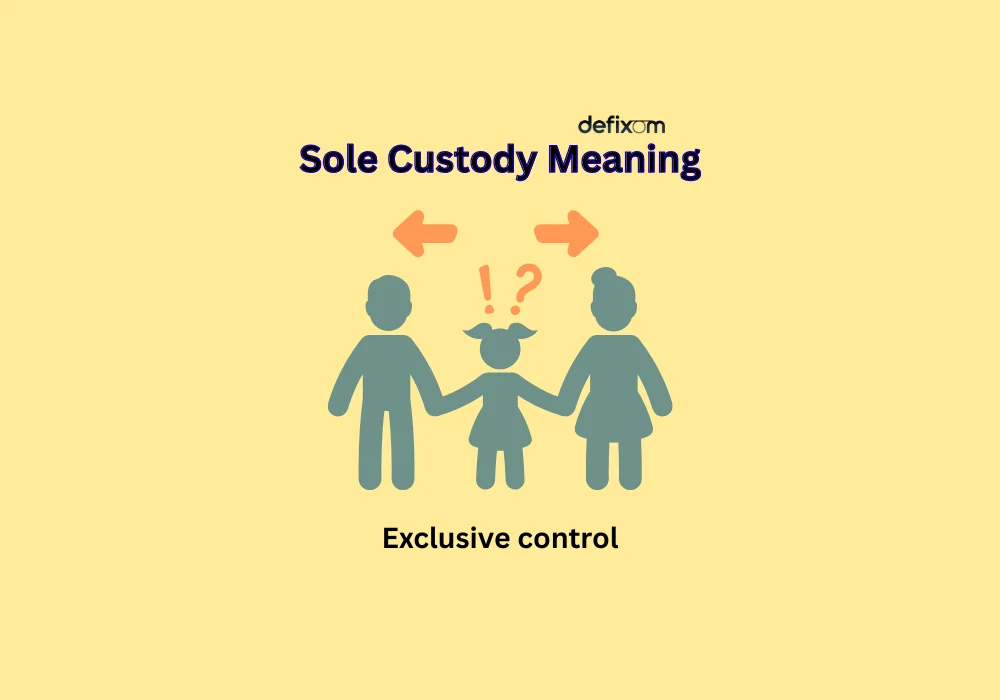
Sole custody means that one parent has the full legal right and responsibility to care for and make decisions for a child, without needing approval from the other parent.
In simple terms:
- One parent is the primary decision-maker
- The child usually lives with that parent
- The other parent may have limited or no custody rights, depending on the situation
This term is most commonly used in family law, especially during divorce, separation, or child custody cases.
Legal Definition of Sole Custody
From a legal standpoint, sole custody gives one parent authority over:
- Education decisions
- Medical care
- Religious upbringing
- Daily living arrangements
The non-custodial parent may or may not have visitation rights, depending on court orders.
Origin of the Term “Sole Custody”
The phrase comes from:
- “Sole” (meaning only or single)
- “Custody” (meaning care, control, and guardianship)
Historically, courts often granted sole custody to one parent—traditionally the mother—but modern laws focus more on the child’s best interests, regardless of gender.
Sole Custody vs Other Types of Custody
Many people confuse sole custody with other custody terms. Here’s how they differ:
1 Sole Custody vs Joint Custody
- Sole custody: One parent has full control
- Joint custody: Both parents share decision-making
2 Sole Custody vs Full Custody
- Full custody is often used informally to mean sole custody, but legally, sole custody is the correct term.
3 Legal Custody vs Physical Custody
- Legal custody: Decision-making power
- Physical custody: Where the child lives
A parent can have sole legal custody, sole physical custody, or both.
How to Use “Sole Custody” in Texts or Chat
Although it’s a legal term, sole custody is widely used in casual conversations—especially in parenting or relationship-related chats.
Common Chat Contexts
You’ll see it used in:
- Divorce discussions
- Parenting group chats
- Legal advice forums
- Social media posts
- Text messages between friends
How It’s Usually Used in Messages
People often use it to:
- Explain a family situation
- Clarify parental rights
- Correct misinformation
- Share personal experiences
Examples of Casual Text Usage
- “She got sole custody after the divorce.”
- “He doesn’t need permission—he has sole custody.”
- “The court granted her sole custody due to safety concerns.”
Even in informal chats, the meaning stays serious and factual.
Examples of “Sole Custody” in Conversations
1 Example : Friend-to-Friend Chat
A: Why doesn’t the dad pick up the kid?
B: Because the mom has sole custody.
2 Example : Online Parenting Forum
“I have sole custody, so I handle all school and medical decisions myself.”
3 Example : Social Media Comment
“Single parenting isn’t easy, especially with sole custody, but it’s worth it.”
4 Example : Text Message
“Court finalized it today—I officially have sole custody.”
These examples show how naturally the term fits into modern digital communication.
Why Courts Grant Sole Custody
Understanding the sole custody meaning also means knowing why it’s granted.
Courts may award sole custody if:
- One parent is absent or uninvolved
- There’s a history of abuse or neglect
- Substance abuse issues exist
- The parents cannot cooperate
- The child’s safety is at risk
The key factor is always the child’s best interest.
Common Mistakes or Misunderstandings
1 Mistake : Assuming Sole Custody Means No Visitation
❌ Not always true
✅ The other parent may still have visitation rights
2 Mistake : Confusing Sole Custody with Joint Custody
❌ Thinking both parents decide equally
✅ Only one parent has legal authority
3 Mistake : Using “Sole Custody” Casually Without Understanding
Some people use the term loosely in chats, but it has serious legal meaning.
4 Mistake : Believing Sole Custody Is Permanent
Custody arrangements can change if circumstances change and courts approve.
How Sole Custody Is Used Online in 2026
In 2026, sole custody is frequently discussed online due to:
- Rising awareness of parental rights
- Social media storytelling
- Legal advice content on TikTok & YouTube
- Online support communities
Trending Online Uses
- TikTok videos explaining custody myths
- Reddit threads sharing real-life experiences
- Facebook parenting group discussions
- Blog posts and FAQs
The term has become part of everyday digital vocabulary, not just legal talk.
Related Terms, Slangs, and Abbreviations
While sole custody isn’t slang, it’s often mentioned alongside these terms:
- Joint custody – Shared parental responsibility
- Primary parent – Main caregiver
- Custodial parent – Parent with custody rights
- Non-custodial parent – Parent without custody
- Visitation rights – Scheduled time with the child
- Parental rights – Legal rights of parents
When Should You Use the Term “Sole Custody”?
Use it when:
- Discussing legal or family matters
- Explaining parenting arrangements
- Asking for legal advice online
- Clarifying a custody situation
Avoid using it jokingly—it’s a serious legal term that affects real lives.
Personal Insight: Why Understanding This Term Matters
As someone who frequently sees custody terms misunderstood online, one thing is clear: misusing “sole custody” can lead to false assumptions, heated arguments, or emotional stress. Knowing its exact meaning helps you communicate responsibly—especially in sensitive discussions.
Quick Summary: Sole Custody Meaning
- Sole custody means one parent has full legal responsibility
- It’s commonly used in texts, chats, and online discussions
- The other parent may still have visitation rights
- Courts decide based on the child’s best interest
- The term is widely discussed online in 2026
Conclusion
Understanding the sole custody meaning is essential in today’s digital-first world, where legal terms often appear in everyday conversations.
While it’s not slang, it has become a common phrase in texts, forums, and social media—especially in parenting and relationship discussions.
By knowing what sole custody really means, you can communicate clearly, avoid misunderstandings, and stay informed. Whether you’re reading a post, sending a message, or joining an online discussion, this knowledge helps you navigate sensitive topics with confidence.

I am a curious writer at Defixom who loves breaking down words, meanings, and ideas into simple, easy-to-understand explanations. My goal is to help readers quickly find clear answers without confusion, using clean language and real human insight.