In the fast-paced world of texting and online chats, abbreviations and slang evolve faster than you can refresh your feed.
One term you might have seen floating around in DMs, Twitter threads, or Instagram captions is “sip meaning”. But what does sip mean in texting, and how do you use it correctly without looking clueless?
Understanding chat abbreviations like sip meaning is more than just knowing the definition—it’s about keeping up with social trends, expressing yourself effectively, and avoiding miscommunications online.
What Does “Sip” Mean? (Definition & Origin)
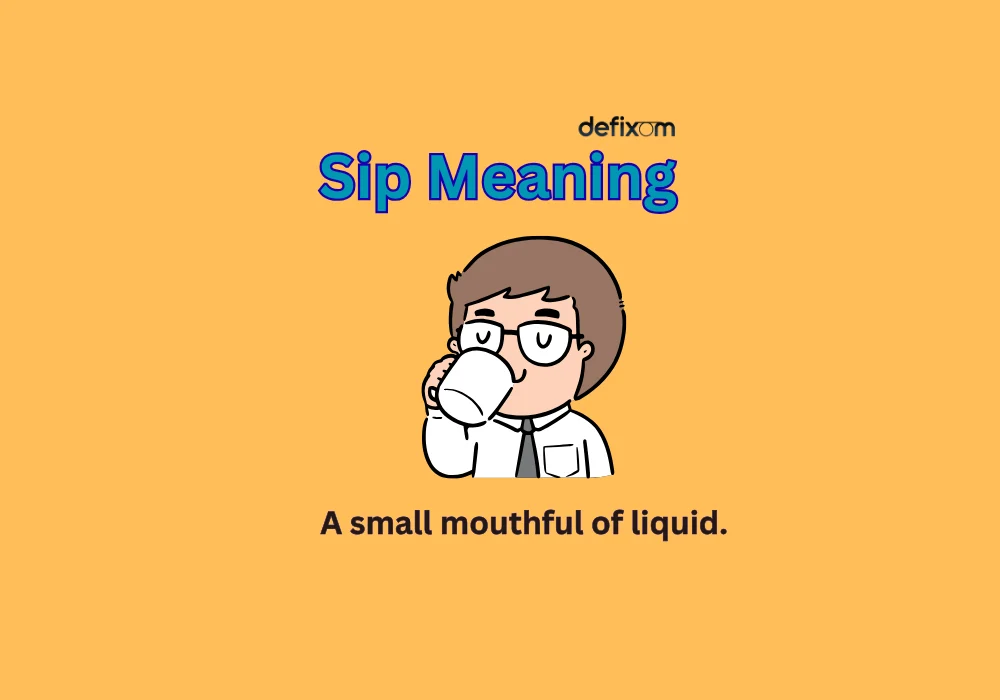
At first glance, sip seems simple—it literally refers to taking a small drink. But in texting and online slang, sip has taken on a more figurative meaning.
Literal vs. Slang Meaning
- Literal Meaning: Taking a small drink of a beverage, like coffee, tea, or wine.
Example: “I just took a sip of my latte.” - Slang Meaning (Text/Chat): To observe, acknowledge, or react subtly to drama, gossip, or juicy information—often without direct involvement.
Essentially, when someone types “sip”, it’s like saying, “I see what’s happening, and I’m watching it unfold quietly.”
Origins
The figurative use of sip meaning in texting comes from social media culture, particularly Twitter and TikTok, where people often comment on gossip or drama with “sips tea” or just “sip” as a one-word reaction. It’s shorthand for passive observation, similar to the emoji 🫖 or ☕.
How to Use “Sip” in Texts or Chat
Using sip correctly can make you sound savvy, funny, or even a bit shady—in a playful way. Here’s how to do it:
Basic Usage
- Direct Reaction:
Friend: “Did you hear about Jessica quitting her job abruptly?”
You: “sip” → implies you’re aware and intrigued but staying neutral. - As Part of a Phrase:
- “sips tea”
- “sipping”
Social Media Usage
On platforms like Twitter, Instagram, or TikTok:
- Post Caption: “Oh, the tea I heard today… sip”
- Comment Section: Responding to gossip or drama with a simple “sip” signals quiet acknowledgment without taking sides.
Tone & Context
- Playful or sarcastic: When joking about someone else’s drama.
- Observational: When watching an argument or situation unfold online.
- Caution: Using it sarcastically or toward someone sensitive might be taken as passive-aggressive.
Examples of “Sip” in Conversations
Seeing examples in action helps you understand the nuance:
- Group Chat:
Friend 1: “I think Mark is going to propose soon!”
Friend 2: “sip” → quietly acknowledges the gossip. - Twitter Reaction:
“She said what? sip 👀” → shows intrigue and amusement. - Instagram DM:
You: “Did you hear about the drama at the party last night?”
Friend: “sips tea” → signals curiosity but no direct involvement.
These examples show sip meaning as a versatile, low-effort way to express awareness of drama, gossip, or shocking news.
Common Mistakes or Misunderstandings
While sip is simple, there are a few pitfalls:
- Overuse: Using it constantly can make you seem passive or fake.
- Wrong Tone: Using sip in serious situations can seem insensitive.
- ❌ “My dog passed away today.” → “sip”
- ✅ Better for light gossip or funny online drama.
- Assuming Everyone Understands: Not everyone is familiar with this slang, especially older generations.
Pro Tip: Pairing sip with context or emojis (☕, 🫖, 👀) makes your intention clearer.
Related Slangs or Abbreviations
Understanding sip in context is easier if you know related terms:
- Tea – Gossip or juicy news. (“Spill the tea”)
- Shade – Subtle insults or criticisms.
- Receipts – Proof or evidence of gossip.
- Sips tea – The longer version, emphasizes quiet observation.
- Watching quietly – Sometimes just written as 👀 or “👀 watching.”
These terms often appear together in social media discussions and casual texting.
Why “Sip” Is Still Relevant in 2026
With digital communication constantly evolving, sip remains popular because it’s:
- Short and expressive: One word conveys curiosity or passive judgment.
- Versatile: Works in text, DM, comments, and even memes.
- Socially savvy: Shows awareness of trends and pop culture.
In 2026, sip is not just slang—it’s a tool for navigating online conversations, gossip, and humor.
Tips for Using “Sip” Like a Pro
- Use with emojis for clarity: 🫖, ☕, 👀
- Reserve for informal settings: Avoid using in professional or serious contexts.
- Pair with context: A short explanation or reaction makes it more natural.
- Mix it with humor: “He said WHAT? sip 😂”
- Observe trends: Social media often gives new variations, like “sippin’” or “tea sipper.”
Conclusion
Understanding sip meaning in texting culture is more than just learning a new slang word—it’s about engaging with conversations, staying on top of trends, and expressing subtle reactions online.
Remember:
- Sip = observing quietly, acknowledging gossip or drama.
- Use it in social chats, memes, and informal online spaces.
- Pair it with context or emojis for clarity and humor.
Updated for 2026, sip remains one of the most versatile and fun chat abbreviations to show your awareness without saying too much. Next time you see drama unfolding online, just sip and watch!

I am a curious writer at Defixom who loves breaking down words, meanings, and ideas into simple, easy-to-understand explanations. My goal is to help readers quickly find clear answers without confusion, using clean language and real human insight.