In today’s hyper-connected digital world, words and symbols travel fast—especially those borrowed from anime, manga, gaming, and internet culture. One such term that often pops up in texts, memes, usernames, and social media captions is “Shinigami.”
If you’ve ever seen someone type “He’s a real shinigami 😈” or reference it in a chat and wondered what it actually means, you’re not alone.
Understanding the shinigami meaning is important because it goes beyond a simple definition. Depending on context, it can signal humor, fandom, dark aesthetics, or even personality traits.
This guide breaks down everything you need to know—clearly, accurately, and in a way that actually helps you use the term correctly.
What Does “Shinigami” Mean? (Definition & Origin)
Literal Meaning of Shinigami
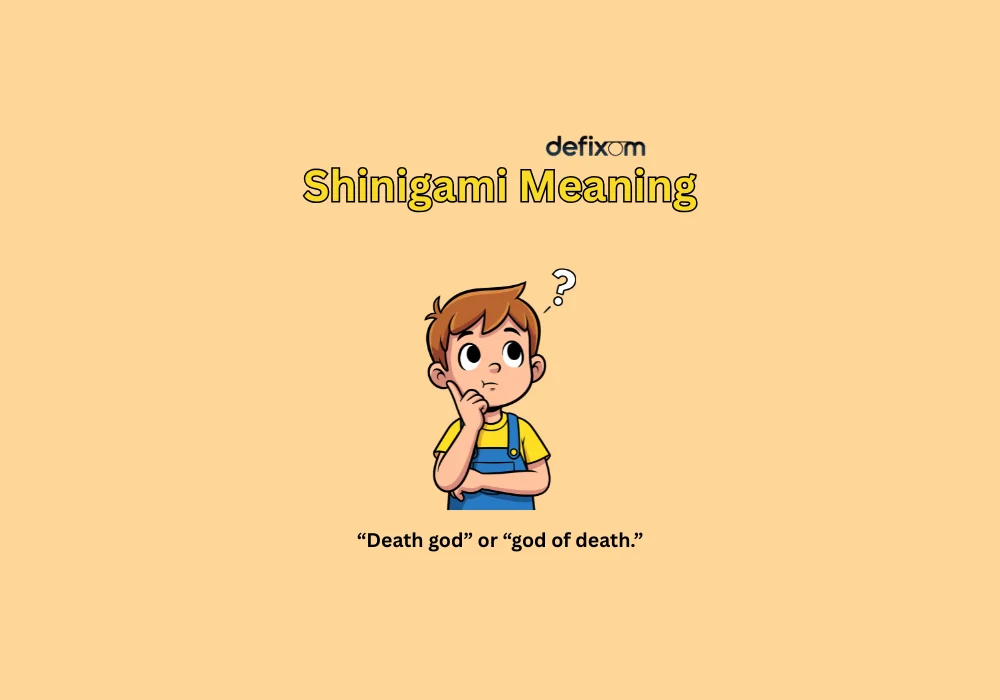
The word Shinigami (死神) is Japanese and literally translates to “death god” or “god of death.”
- Shi (死) = death
- Kami (神) = god or spirit
So, at its core, shinigami meaning refers to a supernatural being associated with death, similar to the Grim Reaper in Western culture.
However, unlike the Grim Reaper, shinigami are not always evil or frightening. In Japanese folklore and modern media, they can be neutral, mischievous, rule-bound, or even oddly humorous.
Shinigami in Japanese Folklore
Traditionally, shinigami weren’t as clearly defined in ancient folklore as people think. Their modern image evolved over time and was influenced by:
- Buddhist concepts of death
- Shinto spiritual beliefs
- Western depictions of death spirits
In folklore, shinigami often:
- Guide souls to the afterlife
- Influence death rather than cause it directly
- Appear at moments of emotional or spiritual crisis
Modern Pop Culture Influence
Today, the shinigami meaning most people recognize comes from anime, manga, and video games, especially:
- Death Note (Ryuk, Rem, Light’s obsession)
- Bleach (Soul Reapers)
- Naruto, Jujutsu Kaisen, and other dark-fantasy genres
- Gaming aesthetics and emo/goth online subcultures
This pop culture exposure transformed “shinigami” into a widely used internet slang term.
What Does Shinigami Mean in Texting and Online Slang?
In modern texting and chat culture, shinigami is rarely used literally. Instead, it carries symbolic and stylistic meaning.
Common Slang Meanings of Shinigami
Depending on context, shinigami meaning in text can imply:
- Someone with a dark, edgy, or mysterious vibe
- A person who’s emotionally detached or intense
- A joke about being “dead inside” 😭
- A hardcore anime fan reference
- A metaphor for someone who “ends things” (relationships, arguments, games)
Example:
“Bro listens to sad anime OSTs at 3am—total shinigami energy.”
Here, it doesn’t mean an actual death god. It describes a mood or personality aesthetic.
Is Shinigami a Compliment or Insult?
Most of the time, it’s neutral to playful, but tone matters.
- ✅ Compliment: Cool, mysterious, powerful
- ⚠️ Joke: Dark humor, sarcasm
- ❌ Negative (rare): Emotionally distant or intimidating
Context, emojis, and relationship with the sender make all the difference.
How to Use “Shinigami” in Texts or Chat
Using slang incorrectly can feel awkward—especially with fandom-based terms. Here’s how to use shinigami naturally.
Correct Contexts to Use Shinigami
You’ll commonly see or use it in:
- Text messages with friends
- Anime forums & Discord servers
- TikTok captions or comments
- Gaming usernames
- Memes & aesthetic posts
Casual Texting Examples
- “I haven’t slept in 2 days, I’m officially a shinigami now.”
- “That anime edit goes hard—pure shinigami vibes.”
- “He walks in silence like a shinigami 😶🌫️”
On Social Media
People often use the term for branding or vibes:
- TikTok caption: “POV: you chose the shinigami path”
- Username: @UrbanShinigami
What NOT to Do
Avoid using shinigami:
- In professional or formal chats
- Around people unfamiliar with anime culture
- As a literal religious or cultural statement
Examples of “Shinigami” in Conversations
Here are realistic, 2026-style chat examples to show how the word is actually used today.
1 Example : Friendly Chat
A: “Why do you always wear black?”
B: “It’s the shinigami lifestyle 🖤”
2 Example : Meme Humor
A: “Monday again…”
B: “Shinigami clocked in early.”
3 Example : Anime Discussion
A: “Ryuk is lowkey the funniest shinigami.”
B: “Facts, chaotic neutral energy.”
4 Example : Gaming Context
A: “He wiped the whole team solo.”
B: “Bro plays like a shinigami.”
Common Mistakes or Misunderstandings
Even popular slang gets misused. Here are mistakes people often make with shinigami meaning.
1 Mistake : Assuming It Always Means Evil
Not all shinigami are villains. Many are neutral observers or bound by rules.
2 Mistake : Using It Too Literally
Calling someone a “death god” seriously can feel awkward unless clearly joking.
3 Mistake : Confusing It With Demon
A shinigami is not a demon. They are closer to spiritual entities or guides.
4 Mistake : Cultural Overuse
Using the term without understanding its origin can feel forced. Context matters.
Related Slangs or Abbreviations
If you’re interested in the shinigami meaning, you’ll probably see these related terms too:
Anime & Internet Slang
- Grim Reaper – Western equivalent
- Edgelord – Someone who embraces dark aesthetics
- Main character energy – Strong presence
- Dark academia – Aesthetic lifestyle
- NPC – Emotionless or background character
- Anti-hero – Morally complex character
Japanese-Inspired Terms
- Kami – God or spirit
- Yokai – Supernatural creatures
- Oni – Demon or ogre
- Sensei – Teacher or mentor
Why Shinigami Is Still Trending in 2026
The continued popularity of shinigami comes from:
- Ongoing anime releases
- TikTok anime edits
- Dark aesthetic trends
- Gaming culture
- Meme evolution
As internet language evolves, words like shinigami survive because they combine visual imagery, emotion, and identity in one term.
It’s no longer just folklore—it’s a vibe.
Quick Summary: Shinigami Meaning at a Glance
- Literal meaning: God of death (Japanese origin)
- Text/slang meaning: Dark, mysterious, intense, or anime-inspired vibe
- Tone: Playful, edgy, aesthetic
- Common use: Texting, memes, anime culture, gaming
- Not meant to be: Literal or formal
Conclusion:
Understanding the shinigami meaning helps you decode modern internet culture, anime references, and edgy slang used across texts and social platforms.
While its roots lie in Japanese folklore, its modern usage is symbolic, expressive, and often humorous.
In 2026, shinigami isn’t just a death god—it’s a mood, a reference, and a cultural shorthand for intensity and mystery. Knowing when and how to use it ensures you stay fluent in online language without sounding forced or confused.

I am the voice behind Defixom, a site dedicated to explaining meanings in a clear and simple way. I love turning confusing words into easy explanations so anyone can understand them in seconds. My goal is to make learning meanings fast, friendly, and stress-free.