In today’s fast-moving digital world, legal terms are no longer limited to courtrooms and official documents—they’ve found their way into texts, tweets, Reddit threads, and online chats. One phrase that often confuses people is “no fault state.”
You might see it in a casual conversation about divorce, insurance claims, or even relationship advice online and wonder: What does “no fault state” actually mean in text or chat?
Understanding the no fault state meaning is important because it helps you follow discussions accurately, avoid misunderstandings, and respond confidently—especially when legal or financial topics come up in everyday conversations.
This guide is fully updated for 2026, written in simple language, and designed to help you understand both the formal definition and how the term is used in modern digital communication.
What Does “No Fault State” Mean? (Definition & Origin)
Basic Definition of No Fault State
A no fault state is a legal term most commonly used in two contexts:
- Divorce law
- Auto insurance law
In simple terms, “no fault” means no one has to prove blame or wrongdoing.
- In a no fault divorce state, neither spouse has to prove that the other did something wrong (like cheating or abuse) to get divorced.
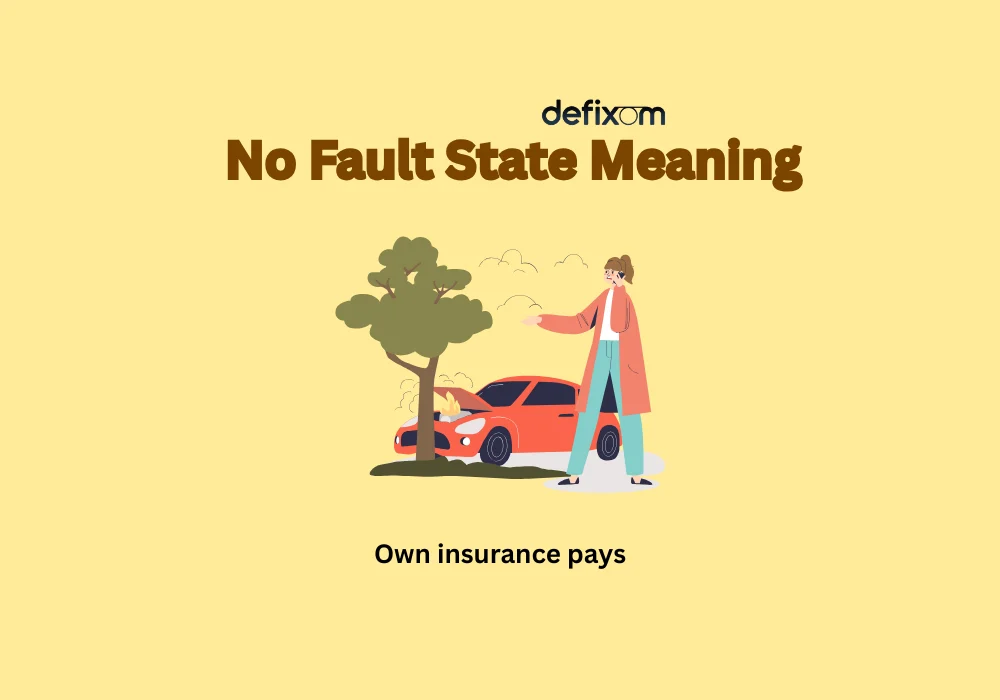
- In a no fault insurance state, each person’s insurance covers their own losses after an accident, regardless of who caused it.
So when someone says “It’s a no fault state” in text or chat, they usually mean:
Blame doesn’t matter legally in this situation.
Origin of the Term “No Fault State”
The concept of no fault laws became popular in the United States in the late 20th century.
- No fault divorce laws started gaining traction in the 1970s to reduce lengthy, hostile court battles.
- No fault auto insurance laws were introduced to speed up claims and reduce lawsuits after car accidents.
Over time, the phrase moved beyond legal settings and into online discussions, especially on:
- Social media
- Relationship forums
- Legal advice subreddits
- Group chats discussing divorce or accidents
No Fault State Meaning in Text and Chat (Modern Usage)
How the Term Is Used in Casual Conversations
In texting and chat culture, “no fault state” is often used as shorthand to explain why someone can’t:
- Sue easily
- Blame the other party
- Demand legal punishment
It’s often dropped into conversations without explanation, assuming the reader already understands the legal background.
Example:
“Yeah, but we’re in a no fault state, so it doesn’t really matter who caused the crash.”
Here, the sender means:
- Blame won’t affect the legal outcome.
Is “No Fault State” an Abbreviation or Slang?
No—“no fault state” is not slang or an abbreviation, but it functions like one in chat.
- It’s a compressed legal phrase
- Used casually without full explanation
- Often shortened even further to “no fault”
Text-style versions you might see:
- “No fault state”
- “No-fault state”
- “No fault”
- “NF state” (less common, but appears in forums)
How to Use “No Fault State” Correctly in Texts or Chats
When It’s Appropriate to Use the Term
You can correctly use no fault state when talking about:
- Divorce or separation
- Car accidents
- Insurance claims
- Legal rights
- Relationship advice with legal angles
Common platforms where it appears:
- WhatsApp & Messenger chats
- Reddit (r/legaladvice, r/relationships)
- Facebook groups
- X (Twitter) threads
- Blog comments
Correct vs Incorrect Usage
Correct usage:
“Since it’s a no fault state, neither of us has to prove anything to file for divorce.”
Incorrect usage:
“It’s a no fault state so nobody is responsible for anything ever.”
👉 No fault does NOT mean zero responsibility—it just changes how blame is handled legally.
Examples of “No Fault State” in Real Conversations
1 Example : Divorce Discussion
Person A:
“Can you divorce without proof of cheating?”
Person B:
“Yes, we’re in a no fault state, so irreconcilable differences are enough.”
2 Example : Car Accident Chat
Friend:
“Did the insurance blame the other driver?”
You:
“Not really. It’s a no fault state, so my insurance handles my claim.”
3 Example : Online Forum Comment
“Before blaming your spouse online, remember that in a no fault state, courts don’t care who started it.”
4 Example : Casual Text Message
“Honestly, being in a no fault state made the whole process way less stressful.”
Common Mistakes and Misunderstandings
1 Mistake : Thinking No Fault Means No Consequences
Many people assume:
“No fault = nobody is accountable.”
❌ This is false.
✔️ It actually means:
- Fault doesn’t need to be proven for certain legal actions
- Financial or legal consequences can still exist
2 Mistake : Mixing Divorce and Insurance Meanings
Another common mistake is confusing the two contexts.
- No fault divorce ≠ no fault insurance
- They operate under different laws
Always look at the context of the conversation to understand the meaning.
3 Mistake : Assuming All States Are No Fault
Not every place applies no fault laws the same way.
In chat, when someone says:
“It’s a no fault state”
They are usually referring to their specific location, not everywhere.
Why “No Fault State” Is Trending in Online Conversations (2026)
In 2026, this term is more visible than ever due to:
- Rising divorce discussions on social media
- Viral legal advice videos
- Increased interest in personal rights
- Insurance claim disputes shared online
- TikTok and YouTube legal explainers
People now casually use legal terminology in everyday chat, and no fault state has become part of that trend.
Related Slang and Legal Terms You Might See
If you’re reading chats or forums, you may also encounter these related terms:
- At-fault state – Where blame matters
- Irreconcilable differences – Common no fault divorce reason
- Liability – Legal responsibility
- Settlement – Agreement without court trial
- Claim – Insurance request
- Legal separation – Living apart without divorce
How to Explain “No Fault State” Simply to Someone Else
If someone asks you what it means, here’s an easy explanation you can copy-paste:
“A no fault state means you don’t have to prove who’s to blame for things like divorce or insurance claims.”
Simple. Clear. Accurate.
Conclusion:
The no fault state meaning is simple once you break it down: it’s about removing blame from certain legal processes.
In modern texting and online conversations, the phrase is often used casually to explain why fault doesn’t matter in a situation—especially when discussing divorce or car accidents.
As legal language continues to blend into everyday digital communication, understanding terms like no fault state helps you stay informed, avoid confusion, and engage more confidently in discussions.
Whether you see it in a text, forum post, or social media comment, you now know exactly what it means—and how to use it correctly.

I am the voice behind Defixom, a site dedicated to explaining meanings in a clear and simple way. I love turning confusing words into easy explanations so anyone can understand them in seconds. My goal is to make learning meanings fast, friendly, and stress-free.