Understanding unusual or old-fashioned words that suddenly pop up in texts, memes, or online discussions can feel confusing. One such word is “nabob.” While it isn’t a typical Gen-Z abbreviation like LOL or IDK, nabob still appears in modern chats, political discussions, memes, and sarcastic online commentary. Knowing the nabob meaning helps you understand tone, humor, and cultural references—especially in 2026’s fast-moving digital conversations.
This guide breaks down the meaning of nabob, its origin, how people actually use it today, and why it still matters in texting and online culture.
What Does “Nabob” Mean? (Definition & Origin)
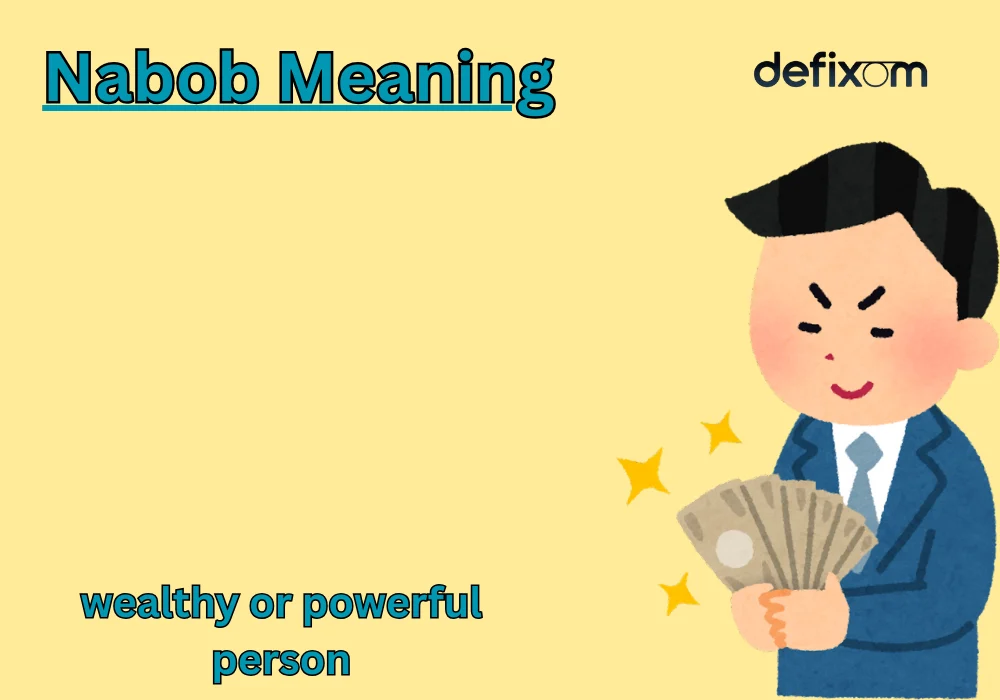
Definition of Nabob
A nabob refers to:
- A very wealthy, powerful, or influential person, often someone who shows off their riches
- Someone perceived as elite, privileged, or overly important
In modern usage, nabob often carries a sarcastic or critical tone, rather than a compliment.
Simple meaning:
A nabob is a rich or powerful person—sometimes mocked for acting superior.
Origin of the Word “Nabob”
The word nabob has a fascinating history:
- It comes from the Indian word “Nawab,” a title used for Muslim rulers or governors during the Mughal Empire.
- British colonists adopted the term in the 18th century.
- Over time, it shifted in English to describe British officials who returned from India extremely wealthy.
- Eventually, it evolved into a general term for any rich or influential elite.
By the 19th century, nabob was often used mockingly, suggesting arrogance or excess wealth.
Nabob Meaning in Modern Texting & Online Chat
Is “Nabob” a Slang Word?
Not exactly—but it’s often used like slang today.
In 2026, nabob appears:
- In political commentary
- In Twitter/X arguments
- In Reddit threads
- In sarcastic texts or memes
It’s usually used ironically rather than seriously.
How “Nabob” Is Used Today
In modern chat culture, nabob implies:
- Wealth mixed with ego
- Privilege mixed with attitude
Example tone:
- Sarcastic
- Critical
- Slightly humorous
- Sometimes intellectual or old-school
How to Use “Nabob” in Texts or Chat
Using nabob correctly depends on tone and context.
Common Contexts
You’ll see nabob used in:
- Political debates
- Workplace sarcasm
- Social class discussions
- Jokes about rich people
- Commentary on celebrities or CEOs
Correct Usage Tips
✔ Use it when referring to someone wealthy or powerful
✔ Best used ironically or critically
✔ Works well in written chat, not casual speech
❌ Don’t use it if the audience may not understand advanced vocabulary
Examples of “Nabob” in Conversations
Casual Chat Examples
- “Must be nice living like a corporate nabob while we work weekends.”
- “Another tech nabob complaining about taxes.”
Social Media Example”
- “Hollywood nabobs preaching about simplicity again 🙄.”
Funny or Sarcastic Use
- “Oh sure, listen to the office nabob who’s never missed a bonus.”
- “Local real estate nabob buys another mansion.”
Nabob Meaning in Political & Cultural Discussions
In modern discourse, nabob is frequently used to criticize:
- Politicians
- Billionaires
- Corporate leaders
- Media elites
It often implies:
- Wealth without empathy
- Power without accountability
Example:
“The economic policies only benefit financial nabobs, not workers.”
This usage has increased in online discussions, especially in 2024–2026, as wealth inequality remains a trending topic.
Common Mistakes or Misunderstandings
Mistake 1: Thinking It’s a Compliment
❌ “He’s such a nabob!” (said positively)
In reality, nabob usually sounds negative or sarcastic.
Mistake 2: Confusing It With “Newbie”
Some people misread nabob as slang for beginners. That’s incorrect.
- Nabob = wealthy or powerful person
- Newbie = beginner
Mistake 3: Overusing It in Casual Texts
Because it’s a high-level word, using it too often may sound forced.
Best used sparingly for effect.
Related Slangs and Similar Words
Here are modern and classic terms related to nabob:
Similar Meanings
- Tycoon – wealthy business leader
- Mogul – powerful figure in an industry
- Elite – privileged upper class
- Bigwig – influential person
- Fat cat – rich person with political or business power
Modern Slang Alternatives
- 1%er
- Rich dude
- Trust-fund kid
- Corporate overlord (humorous)
When Should You Use “Nabob” in 2026?
Use nabob when:
- You want to sound sharp or witty
- You’re making a social or political point
- You’re writing posts, articles, or thoughtful comments
- You want a word that feels intellectual but cutting
Avoid it when:
- Talking to people unfamiliar with advanced English
- Writing ultra-casual Gen-Z slang texts
Why “Nabob” Still Matters in Texting Culture
Even though nabob is an old word, it survives because:
- It expresses class criticism
- It carries historical weight
- It sounds clever and sharp
- It fits modern online sarcasm
In an era of memes and commentary, rare words often resurface as stylistic tools.
Conclusion:
To summarize, nabob means a wealthy or powerful person, often used with sarcasm or criticism rather than admiration.
While it isn’t modern slang, it remains relevant in 2026 due to its sharp tone and cultural depth.
Understanding the nabob meaning helps you catch subtle humor, social commentary, and criticism in online chats, political discussions, and modern writing. It’s a perfect example of how older words evolve and thrive in digital spaces.
.

I am the voice behind Defixom, a site dedicated to explaining meanings in a clear and simple way. I love turning confusing words into easy explanations so anyone can understand them in seconds. My goal is to make learning meanings fast, friendly, and stress-free.