In today’s fast-paced digital world, you might stumble across a word like “Mountebank Meaning” while reading a novel, a social media post, or even an online forum discussion. But what does it actually mean?
Is it a serious insult, a playful jab, or something entirely historical? Understanding words like mountebank meaning is important because it helps you navigate conversations more confidently and even add a touch of wit to your own texts or posts.
Whether you’re a lover of old-school vocabulary or just curious about new ways people throw shade online, this guide breaks down everything you need to know about mountebank, including its meaning, origin, modern usage, and common mistakes.
What Does “Mountebank” Mean? (Definition & Origin)
The word mountebank is a bit of a throwback, with roots stretching back several centuries. Here’s the lowdown:
Definition:
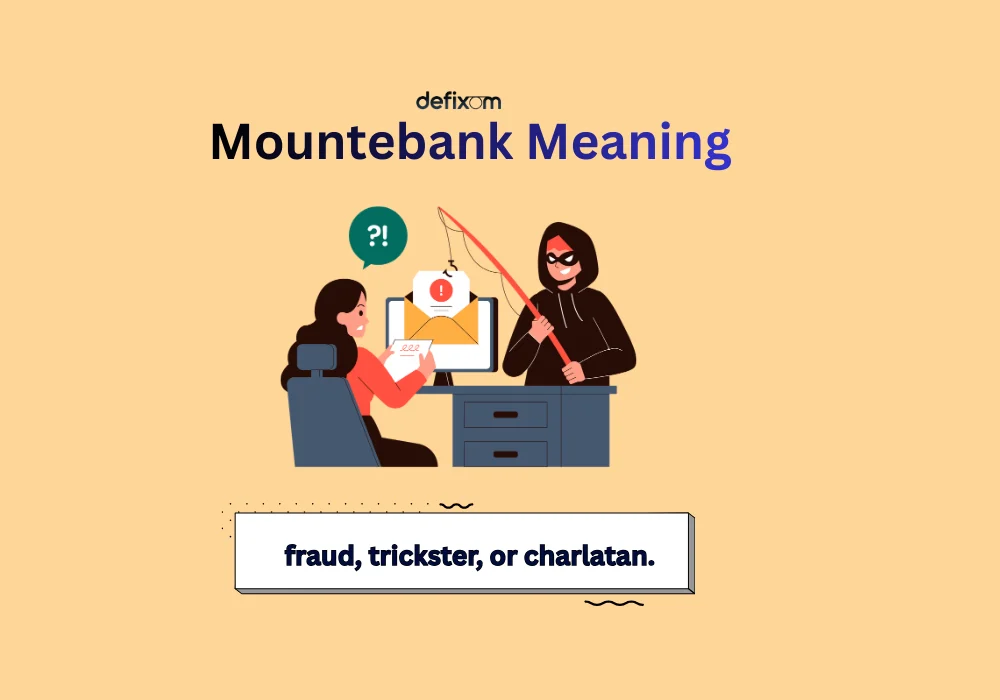
A mountebank is someone who deceives others, usually by pretending to have skills, knowledge, or credentials they don’t actually possess. In modern terms, you could call them a fraud, trickster, or charlatan.
Origin:
- The word comes from the Italian “monta in banco”, which literally means “climb on the bench.”
- Historically, mountebanks were street performers or traveling salesmen who would literally stand on a bench to advertise and sell fake medicines. They were known for making exaggerated claims, entertaining crowds, and sometimes tricking people into buying worthless remedies.
- By the 17th century, it became synonymous with a deceitful person.
So when someone calls you a mountebank meaning today, they’re basically saying, “You’re all talk and no substance”—with a slightly old-fashioned flair.
How to Use “Mountebank” in Texts or Chat
Although mountebank isn’t the kind of word you see in casual texting every day, it can still be used effectively in social media, forums, or even playful banter. Here’s how:
- Playful Sarcasm:
- “Wow, calling yourself a ‘master chef’ again? Don’t be a mountebank!”
- Online Discussions:
- On debate threads, you might say: “That argument is full of mountebank claims.”
- Humorous Messaging:
- With friends, you can joke: “You, my friend, are a total mountebank if you think you can beat me at chess.”
💡 Tip: Because it sounds old-fashioned, using mountebank adds a witty or intellectual tone to your message. It’s not just an insult—it’s a stylish insult.
Examples of “Mountebank” in Conversations
Here are a few relatable examples of how mountebank could appear in texts or chats:
- Text with Friends:
- Friend: “I can totally run a marathon tomorrow without training.”
- You: “Ha! Don’t be a mountebank. I’ve seen your running skills!”
- Social Media Comment:
- “This influencer’s ‘miracle’ skincare routine is a total mountebank trick. Save your money!”
- Forum Discussion:
- “That post about making $10k a week online? Sounds like a mountebank to me.”
These examples show that mountebank works well when describing exaggeration, trickery, or false claims—perfect for playful or critical commentary online.
Common Mistakes or Misunderstandings
Because mountebank is an older, somewhat formal word, people often get confused about its usage:
- Confusing it with a “clown” or “joker”:
- While mountebanks did perform theatrically, the modern meaning focuses on deception, not comedy.
- Overusing it in casual chat:
- Saying “mountebank” in every argument can make you sound pretentious. Use it sparingly for effect.
- Mixing it with “imposter”:
- Both words imply deceit, but an imposter assumes someone else’s identity, whereas a mountebank exaggerates or fakes their own persona or abilities.
Related Slangs or Abbreviations
If you like using mountebank, you might also enjoy these words and abbreviations that carry a similar vibe:
- Charlatan – a person falsely claiming to have special knowledge.
- Fraud – straightforward modern equivalent.
- Snake oil seller – a humorous, historical nod similar to mountebank.
- Flexer – modern slang for someone exaggerating their abilities or lifestyle online.
- Clout chaser – online slang for someone pretending to have influence or status.
💡 Pro Tip: You can blend mountebank with modern slang for a fun, ironic twist:
- “This clout chaser is a total mountebank. Can’t trust a word!”
Why Understanding “Mountebank” Matters in 2026
In 2026, digital literacy isn’t just about memes or emojis—it’s also about spotting deception online. Whether it’s influencers, ads, or exaggerated social media claims, knowing words like mountebank gives you a sharp edge:
- Enhances your vocabulary for witty comebacks.
- Improves comprehension of literature, news articles, or historical references.
- Adds credibility in online debates or professional communication when describing frauds or tricksters.
Updated for 2026, the use of mountebank is a stylish way to call out exaggeration or false claims without resorting to overused slang like “fake” or “sus.”
Conclusion
The word mountebank might sound like something out of Shakespeare, but it’s surprisingly relevant in today’s digital conversation culture. From playful texts to sharp social media commentary, knowing this word allows you to describe tricksters, exaggerators, and frauds with wit and style.
Remember: a mountebank isn’t just a liar—they’re a showy, dramatic, sometimes entertaining trickster. Using the word correctly adds nuance, humor, and intelligence to your chats and posts.
So next time someone exaggerates their skills, you’ll know exactly what to say—without settling for a simple “fake” or “fraud.”

I am the voice behind Defixom, a site dedicated to explaining meanings in a clear and simple way. I love turning confusing words into easy explanations so anyone can understand them in seconds. My goal is to make learning meanings fast, friendly, and stress-free.