If you’ve ever stumbled upon the word “Michaelmas” while scrolling through historical texts, calendars, or even online chats, you might have wondered, “What does it actually mean?”
Understanding Michaelmas meaning is more than just knowing a word—it’s about connecting with centuries-old traditions, seasonal celebrations, and even some modern cultural references.
In this guide, we’ll break it all down in simple, relatable language and give you tips on how the term pops up today.
What Does “Michaelmas” Mean? (Definition & Origin)
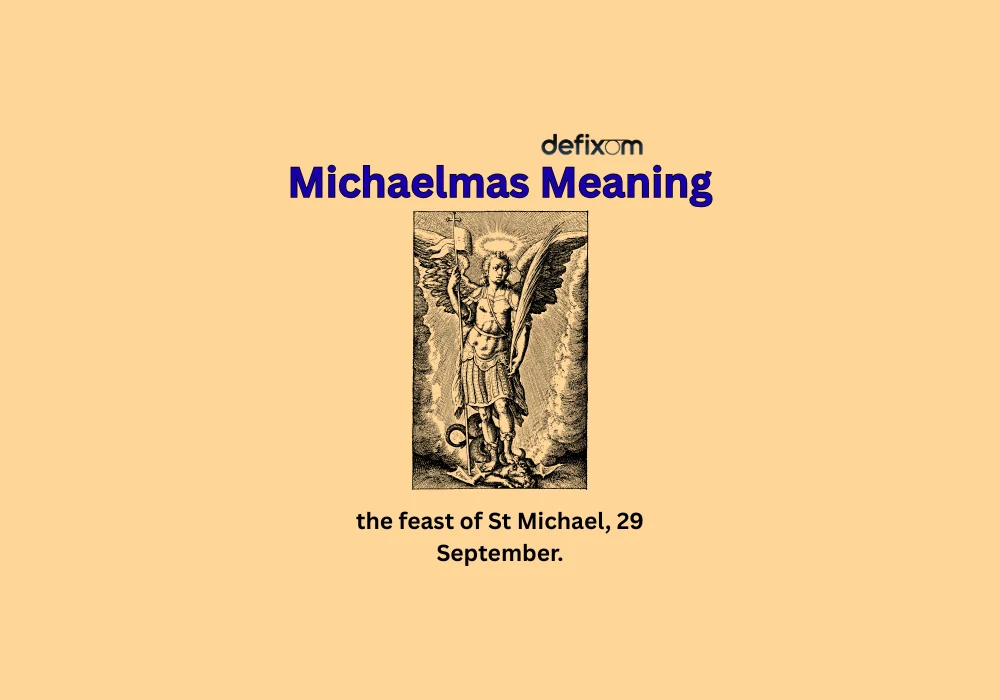
At its core, Michaelmas is a Christian festival celebrated on September 29th in honor of Saint Michael the Archangel. The word comes from “Michael’s Mass,” a combination of the archangel’s name and the Latin word missa, meaning “mass” or “church service.”
Historically, Michaelmas marked:
- The end of the harvest season in England and other European countries.
- The start of the academic term in many universities, including Oxford and Cambridge.
- A time for fairs, hiring days, and seasonal contracts in rural communities.
So when you hear “Michaelmas,” think of it as a mix of religious tradition, seasonal change, and cultural history.
Fun Fact: In the past, Michaelmas was also a time to settle debts, hire servants, and hold feasts, making it a significant social event, not just a religious one.
How to Use “Michaelmas” in Texts or Chat
Even though it’s a historical term, Michaelmas occasionally pops up in modern conversations, especially among:
- Students talking about university terms.
- History buffs or educators referencing festivals and traditions.
- People sharing seasonal or autumn-themed posts online.
Here are a few ways you might see it used:
- 1 Example : “Can’t believe Michaelmas term is starting already! Time to hit the books 📚”
- 2 Example : “We went to the Michaelmas fair—it was like stepping back in time!”
- 3 Example : “Pumpkin spice lattes and Michaelmas vibes 🍁 #AutumnFeels”
Pro Tip: Using it in casual chat often signals knowledge of history or culture, so sprinkle it in naturally rather than forcing it.
Examples of “Michaelmas” in Conversations
Here’s a breakdown of how Michaelmas can appear in real-life messaging, social media, or forums:
1. Academic Context
- “Registration for Michaelmas term classes closes this Friday. Don’t miss it!”
- “The Michaelmas timetable looks intense—four papers in one week 😬”
2. Historical or Cultural Discussions
- “Michaelmas fairs were crucial in medieval England for hiring new farmhands.”
- “Did you know Michaelmas was considered one of the quarter days in Britain?”
3. Casual Social Chat
- “Autumn is here! Time for Michaelmas vibes and pumpkin everything 🎃”
- “Michaelmas feast at my grandma’s—she goes all out every year!”
By sharing context or fun facts alongside the term, it becomes memorable and conversational, perfect for social media or casual messages.
Common Mistakes or Misunderstandings
Even though Michaelmas is straightforward, people often confuse it with:
- Halloween or All Saints’ Day: Michaelmas is on September 29, whereas Halloween is October 31.
- Michaelmas vs. St. Michael’s Day: They’re technically the same, but “Michaelmas” emphasizes the mass/festival, not just the saint.
- Seasonal references: Some assume Michaelmas is only about autumn foods like pumpkin or apple pies—but it originally referred to religious and civic customs, too.
Quick Tip: When using Michaelmas in text or chat, clarify the context if you’re talking about history vs. modern seasonal vibes.
Related Slangs or Abbreviations
While Michaelmas isn’t an abbreviation, it can appear alongside other seasonal or academic terms in chats, such as:
- Term abbreviations: MT (Michaelmas Term) – used in universities like Oxford or Cambridge.
- Seasonal hashtags: #AutumnVibes, #HarvestTime, #FallFestivals
- Historical references: “Quarter Days” – which include Michaelmas, Lady Day, Midsummer, and Christmas.
So if you’re texting a friend about your schedule or seasonal plans, Michaelmas fits nicely alongside trendy, academic, or seasonal slang.
Why Michaelmas Still Matters in 2026
Even in today’s fast-paced, emoji-filled chat culture, Michaelmas has a place because:
- It connects past and present: Using it shows awareness of cultural and historical traditions.
- It signals intellectual or seasonal savvy: Students, history enthusiasts, and cultural content creators often reference it.
- It’s versatile: From academic contexts to autumn celebrations, it adapts to modern usage while retaining historical significance.
Example in Modern Culture:
- “Getting ready for Michaelmas term like… ☕📚🍂” – Here, the term blends tradition with relatable daily life and emojis, making it perfect for social posts.
Conclusion
Understanding Michaelmas meaning is about more than just decoding a word—it’s about bridging centuries of tradition with modern chat culture. Whether you’re a student referencing the academic term, a history lover enjoying seasonal fairs, or just sprinkling some autumn flair in your texts, Michaelmas has a unique place in conversation.
Remember:
- It’s celebrated on September 29 and honors Saint Michael the Archangel.
- Historically, it marked harvest, fairs, and academic terms.
- In modern use, it pops up in texts, social media posts, and academic chats, often alongside emojis and seasonal hashtags.
So next time you’re crafting a text or post, consider adding a Michaelmas touch—it’s educational, festive, and surprisingly trendy in 2026!

I am the voice behind Defixom, a site dedicated to explaining meanings in a clear and simple way. I love turning confusing words into easy explanations so anyone can understand them in seconds. My goal is to make learning meanings fast, friendly, and stress-free.