In today’s fast-paced world, road signs are more than just pieces of metal on the roadside—they are the silent guides that keep drivers, cyclists, and pedestrians safe. Understanding the meaning of road signs is essential, not just for passing driving tests but for staying safe on the road.
From everyday commuters to occasional drivers, knowing what each sign indicates can prevent accidents and ensure smooth travel.
Whether you’re a new driver, an international traveler, or just brushing up on your traffic knowledge, this guide breaks down the most common road signs and explains their purpose in simple, practical terms. Let’s dive in!
What Does “Road Signs” Mean? (Definition & Origin)
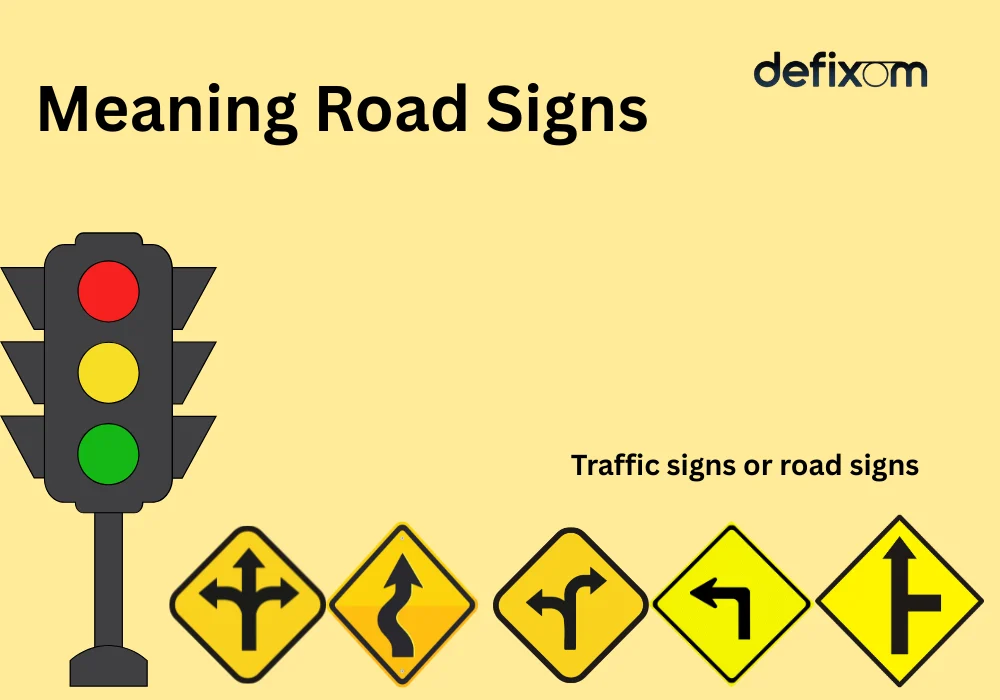
Road signs are visual symbols placed along streets and highways to provide guidance, warnings, or instructions to road users. Their purpose is to communicate information quickly and universally, regardless of language or literacy level.
- Definition: Road signs are standardized visual indicators designed to regulate, warn, or guide traffic.
- Origin: The concept of road signage dates back to Roman times, but modern traffic signs started evolving in the early 20th century with the rise of automobiles. Today, road signs are globally standardized, largely influenced by the Vienna Convention on Road Signs and Signals (1968).
Types of Road Signs
Road signs typically fall into three main categories:
- Regulatory Signs
- These signs tell you what you must or must not do.
- Examples: Stop signs, Speed limit signs, No entry signs.
- Warning Signs
- These signs alert drivers to potential hazards.
- Examples: Sharp turn ahead, Slippery road, Animal crossing.
- Informational/Guide Signs
- These signs provide direction or useful information.
- Examples: Exit signs, Distance markers, Gas station signs.
How to Use Road Signs in Everyday Driving
Understanding road signs isn’t just about knowing their names—it’s about responding to them correctly. Here’s how you can apply their meaning in real-life situations:
- Stop signs: Come to a complete halt and check for oncoming traffic before proceeding.
- Yield signs: Slow down and give way to other vehicles or pedestrians.
- Speed limit signs: Ensure you do not exceed the posted speed to avoid fines and accidents.
- Warning signs: Pay attention! For instance, a “Slippery Road” sign means you should reduce speed, especially during rain or snow.
Pro tip: Always scan the road ahead and look for signs early. This habit helps you react safely and prevents last-minute maneuvers.
Examples of Road Signs in Action
Let’s make this more relatable with some real-world examples:
- Scenario: Urban Driving
- You approach an intersection with a Stop sign and a Pedestrian crossing sign.
- Action: Stop fully, check for pedestrians, then continue.
- Scenario: Highway Driving
- You see a Slippery Road warning after a bridge during a rainy day.
- Action: Reduce speed, increase following distance, and drive cautiously.
- Scenario: Rural Area
- You encounter a Deer crossing sign at dusk.
- Action: Slow down and stay alert for wildlife.
By relating signs to everyday situations, you’re more likely to remember them—and stay safe.
Common Mistakes or Misunderstandings
Even experienced drivers sometimes misinterpret road signs. Here are common mistakes to avoid:
- Ignoring minor signs: Small or temporary signs, like construction warnings, are easy to miss but often critical.
- Confusing similar signs: For instance, a Yield sign (inverted triangle) and a Give Way sign can be mistaken if not studied properly.
- Speeding in zones: Drivers often overlook temporary speed limits in construction or school zones.
Tip: If you’re unsure about a sign’s meaning, slow down and prioritize safety. It’s always better to be cautious than to assume.
Related Road Signs or Symbols You Should Know
Learning road signs is easier when you group them with similar symbols. Here are some related signs that often appear together:
- Traffic lights and signals: Complement road signs for smooth traffic flow.
- Lane markings: Horizontal lines on the road indicate lanes, turns, or no-passing zones.
- Temporary signs: Often orange for construction or maintenance warnings.
- Pedestrian signs: Indicate crosswalks, school zones, or walking paths.
By recognizing patterns, you’ll instantly understand the context of a sign without having to analyze it every time.
Tips for Learning Road Signs Effectively
- Visual memory: Flashcards with sign images can help reinforce recognition.
- Practice driving: Observing signs while on the road cements your understanding.
- Quizzes and apps: Online resources and driving apps updated for 2025 trends offer interactive learning.
- Group learning: Discuss signs with friends or family—they often share real-life anecdotes that make learning memorable.
Pro Insight: Many drivers remember signs better when they associate them with real incidents, like spotting a deer crossing sign during a family trip.
Updated Trends for 2026
Traffic authorities worldwide are incorporating new digital road signs and smart sensors. For example:
- Digital speed signs that adjust based on traffic and weather conditions.
- Augmented reality (AR) dashboards that highlight important signs directly on your windshield display.
- Eco-friendly signs with reflective materials and solar-powered lighting.
Being aware of these modern updates ensures you’re not only following regulations but also embracing smarter driving.
Conclusion
Understanding the meaning of road signs is more than just a driving test requirement—it’s a life-saving skill. From regulatory and warning signs to guide and informational markers, each symbol communicates vital instructions designed to keep you and others safe.
Remember these key points:
- Recognize and obey all signs, big or small.
- Understand context: Road signs work in conjunction with traffic laws and road conditions.
- Stay updated: Smart and digital signs are becoming more common, so pay attention to new trends.
By practicing, observing, and staying informed, you can become a confident driver who navigates any road safely

I am the voice behind Defixom, a site dedicated to explaining meanings in a clear and simple way. I love turning confusing words into easy explanations so anyone can understand them in seconds. My goal is to make learning meanings fast, friendly, and stress-free.