Hook/Introduction:
In today’s fast-paced texting and social media world, misunderstandings in relationships can happen in a blink. Have you ever wondered why some people feel loved through words while others value actions more? The answer often lies in love languages.
Understanding what love languages mean is key to improving communication, deepening connections, and even avoiding texting mishaps.
In this guide, we’ll break down the meaning of love languages, how to use them in everyday conversations, and why they are more relevant than ever in 2026.
What Does “Love Languages” Mean? (Definition & Origin)
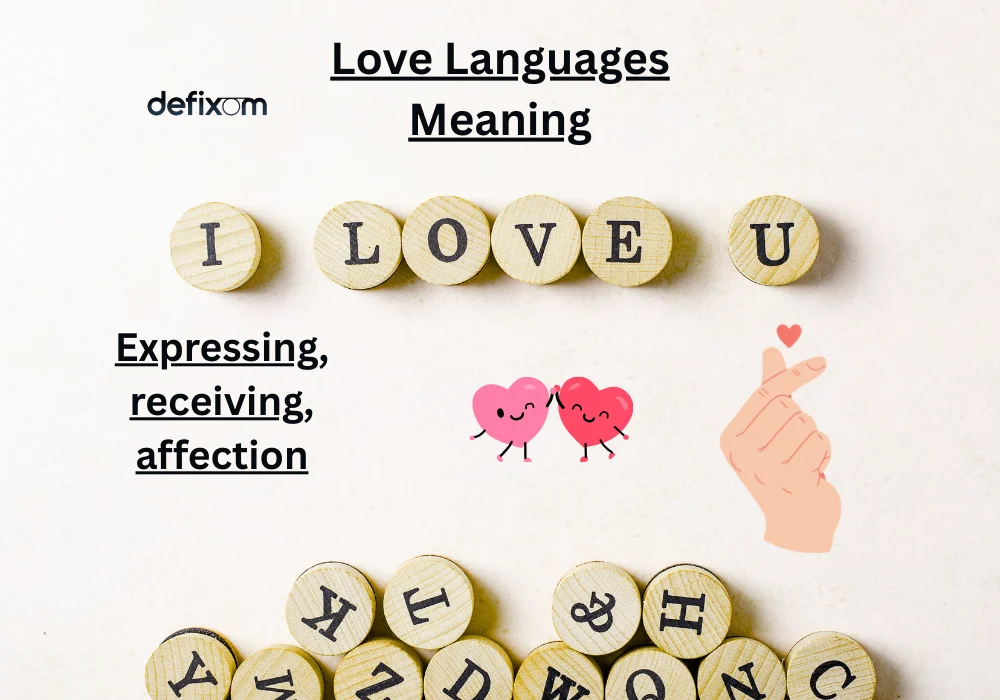
The term love languages comes from Dr. Gary Chapman’s groundbreaking book The 5 Love Languages, first published in 1992. In simple terms, a love language is the way someone prefers to give and receive love.
Chapman identified five primary love languages:
- Words of Affirmation – Feeling loved through compliments, encouragement, or kind messages.
- Acts of Service – Actions speak louder than words; helping or doing tasks for someone shows love.
- Receiving Gifts – Tangible tokens of love, no matter how small, can mean the world.
- Quality Time – Being present and engaged, giving someone your undivided attention.
- Physical Touch – Hugs, kisses, and other affectionate touches communicate care.
Why it matters in texting/chat culture:
Even online, knowing someone’s love language can prevent miscommunication. For example, a friend whose primary love language is words of affirmation might feel neglected if they don’t get a heartfelt message—even if you’ve been doing thoughtful acts behind the scenes.
How to Use “Love Languages” in Texts or Chat
Knowing the meaning of love languages isn’t just theoretical—it’s practical, especially in modern communication. Here’s how you can use this concept in texting or online chats:
1. Match Your Message to Their Language
- Words of Affirmation: Send thoughtful texts like, “You did an amazing job today!”
- Acts of Service: Offer help, e.g., “I can grab coffee for you tomorrow.”
- Receiving Gifts: Send small surprises via mail or digital gift cards.
- Quality Time: Suggest a video call or online game to hang out.
- Physical Touch: While you can’t touch through text, sending emojis like 🤗💖 can mimic the feeling.
2. Avoid Misinterpretations
Texting is tricky. A one-word reply might feel cold to someone whose love language is affirmation. Understanding this helps prevent unnecessary arguments or hurt feelings.
3. Be Intentional
Use love languages intentionally to show care in a way that resonates with the recipient. Don’t just rely on your own preferred style—think about theirs.
Examples of “Love Languages” in Conversations
Here are some real-life texting examples to make this concept crystal clear:
1.Example – Words of Affirmation:
- Friend: “I just finished my project!”
- You: “Wow, that’s incredible! You worked so hard, and it shows 💯.”
2.Example – Acts of Service:
- Partner: “I’m so stressed about moving.”
- You: “I can come over and help pack boxes this weekend.”
3.Example – Receiving Gifts:
- Friend: “I love little surprises.”
- You: “Sent you a gift card to your favorite coffee shop ☕️❤️.”
4.Example – Quality Time:
- Partner: “I’ve had a long day.”
- You: “Let’s hop on a call—I want to hear all about it.”
5.Example – Physical Touch (Digital Version):
- Friend: “Feeling down today.”
- You: “Virtual hug for you 🤗💛. I’m here.”
Notice how simple adjustments in communication can make a huge difference when you understand love languages meaning.
Common Mistakes or Misunderstandings
Even if you know someone’s love language, it’s easy to slip up. Here are common pitfalls:
- Assuming your love language is theirs – Just because gifts make you feel loved doesn’t mean the other person feels the same.
- Overdoing it – Bombarding someone with texts or gestures can feel overwhelming.
- Ignoring the context – Not every message needs to match a love language; balance is key.
- Being rigid – Love languages can evolve over time. Check in regularly.
Tip: Always ask or observe how someone responds to different gestures. This keeps your approach authentic.
Related Slangs or Abbreviations in Chat
Understanding love languages also helps decode modern texting slang related to affection:
- ILY / ILU – “I love you,” popular for Words of Affirmation.
- OTP – “One True Pairing,” often used by fans expressing admiration or emotional attachment.
- HBD / TBT / FWB – Not directly love languages, but knowing these helps avoid miscommunication in social chats.
- Emoji Language – Emojis like 💖, 😘, 🫂 can convey love, especially for Physical Touch or Words of Affirmation in digital conversations.
By combining your knowledge of love languages with these texting abbreviations, you can communicate more effectively and even playfully online.
Why Love Languages Still Matter in 2026
As we move deeper into a digital-first world, where conversations happen over apps, memes, and quick texts, understanding love languages is more crucial than ever. Here’s why:
- Prevents digital miscommunication – A simple text can be interpreted differently depending on someone’s love language.
- Strengthens online relationships – From long-distance dating to friendships, knowing love languages ensures your gestures resonate.
- Supports mental health – Feeling loved and appreciated digitally can boost emotional well-being.
Updated for 2026, experts note that hybrid communication (texts, calls, social media) makes love languages a practical tool for everyday life.
Conclusion
In short, love languages meaning goes beyond theory—it’s a practical framework to improve relationships, prevent misunderstandings, and express care in a way that truly resonates.
By learning the five love languages—Words of Affirmation, Acts of Service, Receiving Gifts, Quality Time, and Physical Touch—you can tailor your messages, texts, and online interactions to make your loved ones feel genuinely appreciated.
Remember: Everyone has a unique way of receiving love. Observing, asking, and experimenting with these languages can transform your friendships, family ties, and romantic relationships.

I am a curious writer at Defixom who loves breaking down words, meanings, and ideas into simple, easy-to-understand explanations. My goal is to help readers quickly find clear answers without confusion, using clean language and real human insight.