Understanding the term “infidel” might seem simple at first, but in today’s digital age, it carries multiple layers of meaning—cultural, historical, and even humorous in certain online contexts.
Whether you’ve seen it in a text, a social media post, or a meme, knowing what infidel really means can save you from confusion—or worse, an awkward miscommunication.
In this article, updated for 2026, we’ll break down infidel meaning, show how it’s used in modern conversation, and give practical tips for using it correctly in chats, texts, and online forums.
What Does “Infidel” Mean? (Definition & Origin)
Definition
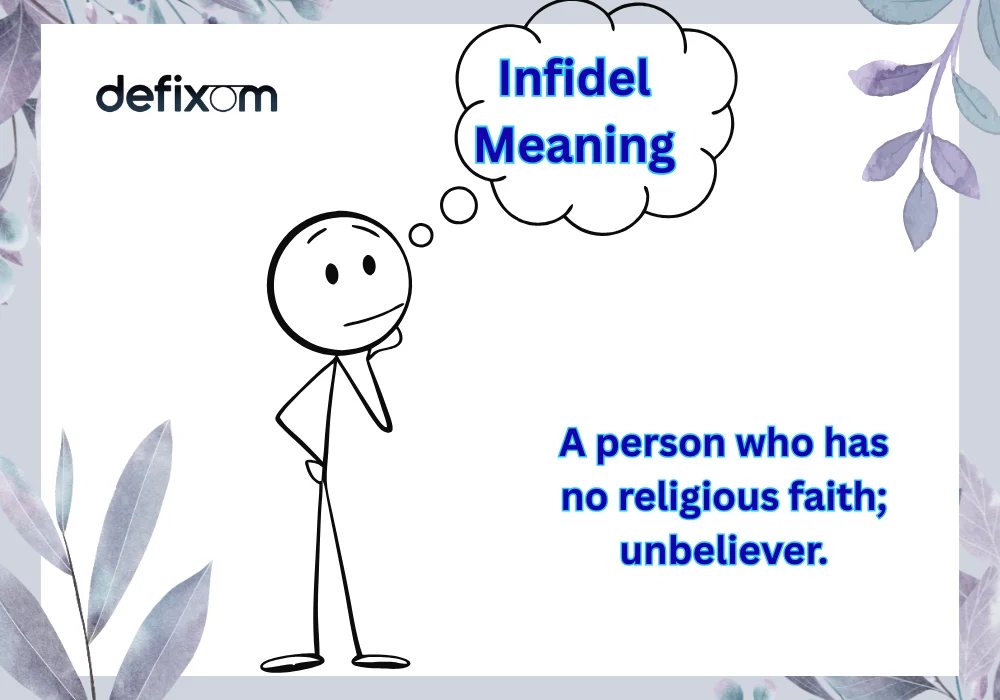
At its core, the word infidel refers to someone who does not believe in a particular religion or faith. Historically, it was often used in religious contexts to label someone who didn’t share the speaker’s beliefs.
- Traditional Meaning: A non-believer in the context of a specific religion.
- Modern Texting/Online Usage: Sometimes used humorously or sarcastically to describe someone who rejects common beliefs or rules in a social context.
Origin of the Word
The term infidel comes from the Latin word infidelis, which literally means “unfaithful” or “untrustworthy.” Over centuries, it evolved in English to specifically mean “a person who does not accept a particular religion.”
In medieval Europe, it was often used in religious conflicts, such as the Crusades, to describe enemies who did not follow Christianity. Today, the word carries historical weight, but it’s also adapted in casual speech and online memes.
How to Use “Infidel” in Texts or Chat
While infidel can sound serious in its original sense, in texting and online chats it’s often playful or exaggerated. Here’s how to use it correctly:
Serious Usage
- Religious or Academic Contexts: Discussing history, religious studies, or literature.
- Example: “In medieval times, Christians often called Muslims ‘infidels’ during the Crusades.”
Casual or Humorous Usage
- Memes & Online Humor: Often paired with dramatic or playful commentary.
- Example: “You dare eat pineapple on pizza? You infidel!”
- Gaming Communities: Sometimes used jokingly to describe someone who breaks unspoken rules.
- Example: “He didn’t follow the guild rules—total infidel behavior!”
Tip: Always be mindful of context. Using infidel seriously in casual conversation can come across as offensive, while humorous usage is usually reserved for close friends or specific online communities.
Examples of “Infidel” in Conversations
Here are some real-life examples to give you a clear picture:
- Humorous Online Chat
- Gamer 1: “You’re attacking the wrong base!”
- Gamer 2: “I know, I’m an infidel, deal with it.”
- Social Media Post
- Tweet: “Me refusing to follow diet trends like a true infidel 😎”
Notice how context changes the tone—from serious to sarcastic or playful.
Common Mistakes or Misunderstandings
Even though infidel is widely recognized, there are pitfalls in using it:
- Using it in serious conversations casually: Can seem disrespectful or offensive.
- Assuming everyone knows the joke: Not all audiences will understand humorous usage.
- Mixing it with unrelated insults: It works best when tied to beliefs, rules, or traditions.
Quick Tip: When in doubt, avoid using infidel in professional or unfamiliar settings. Stick to educational or clearly humorous contexts.
Related Slangs or Abbreviations
To better understand how infidel fits into modern texting and internet slang, here are related terms:
- Heathen: Similar meaning; historically used for someone not following Christianity.
- Non-believer: Neutral term for someone without a particular faith.
- Heretic: Used historically for someone who went against the established beliefs of their religion.
- Rebel/Rule-breaker (Online Humor): Often synonymous in memes or casual chats.
You can create playful combinations in texts:
- “Infidel and proud!”
- “Such heretic energy in this chat 😂”
Why Understanding “Infidel” Matters in 2026
With the rise of online communities, gaming, social media, and meme culture, words like infidel are no longer just historical relics. Misunderstanding them can lead to confusion or accidental offense, while knowing the nuances lets you:
- Read and enjoy memes more fully.
- Communicate humorously with friends without causing offense.
- Recognize when the term is used in historical or academic contexts.
Example: A TikTok meme might joke: “You use Comic Sans? Infidel!” — clearly a playful exaggeration, not a religious judgment.
Conclusion
In short, infidel meaning depends heavily on context. Historically, it referred to someone outside a specific faith. Today, in texting and online culture, it’s often humorous, sarcastic, or playful. Understanding the tone, audience, and context is key to using it correctly.
Whether you’re exploring historical texts, joining a meme thread, or joking with friends, knowing infidel adds depth to your digital literacy.
Updated for 2026, this guide ensures you’re equipped to recognize and use infidel in both serious and playful conversations.

I am the voice behind Defixom, a site dedicated to explaining meanings in a clear and simple way. I love turning confusing words into easy explanations so anyone can understand them in seconds. My goal is to make learning meanings fast, friendly, and stress-free.