In today’s fast-moving digital world, words don’t just live in dictionaries—they show up in news headlines, social media debates, group chats, and even memes. One such term is immigration.
You may see it discussed on X (Twitter), Reddit threads, WhatsApp groups, or TikTok comments, often with strong opinions attached. Understanding the immigration meaning clearly is essential—not only for exams or formal writing, but also for following online conversations without confusion.
This guide breaks down the immigration meaning in simple, human language, explains how it’s used today, and clears up common misunderstandings. Whether you’re a student, content creator, or just curious, this article is updated for 2026 and designed to give you real, practical understanding.
What Does Immigration Mean? (Definition & Origin)
Immigration Meaning (Simple Definition)
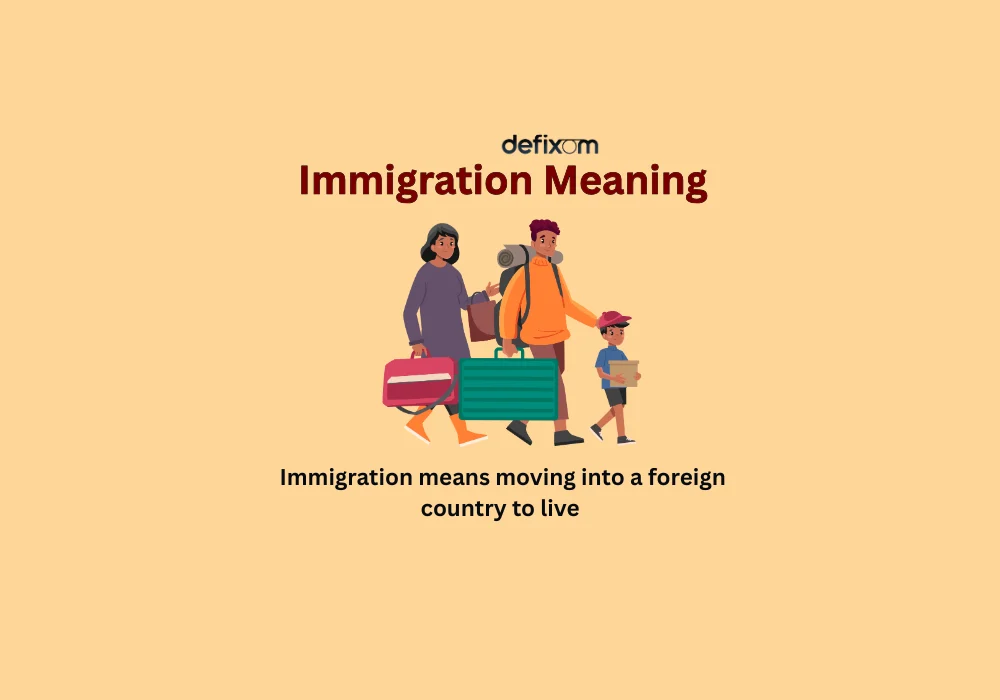
Immigration means the act of people moving into a country where they are not originally from, with the intention of living there permanently or long-term.
In short:
- Immigration = coming into a country to live
- (The opposite term is emigration, which means leaving a country)
Example:
“Her family moved from Pakistan to Canada through legal immigration.”
Origin of the Word “Immigration”
The word immigration comes from the Latin word immigrare, which means:
- im = into
- migrare = to move
So, historically and linguistically, immigration literally means “to move into.”
This root meaning still applies today—whether the conversation is legal, political, academic, or casual.
Immigration Meaning in Modern Context (2026 Update)
In 2026, the term immigration is no longer just a textbook word. It appears in:
- News and political discussions
- Social media debates
- Online forums and comment sections
- Text messages and group chats
Depending on the context, immigration meaning can feel:
- Neutral (factual information)
- Positive (opportunity, diversity, growth)
- Negative (misused in fear-based narratives)
Understanding the core definition helps you avoid being misled by emotionally charged usage online.
How to Use “Immigration” in Texts or Chat
Although immigration isn’t slang, it’s frequently shortened or casually referenced in online conversations.
Common Chat Uses
People often use it to discuss:
- Visa processes
- Moving abroad
- Citizenship
- Refugees or asylum
- Job opportunities overseas
Example texts:
- “I’m applying for immigration to Australia next year.”
- “Immigration rules changed again 😩”
- “She works as an immigration consultant.”
Is “Immigration” Formal or Casual?
- Formal use: Essays, news articles, legal documents
- Casual use: Group chats, DMs, online comments
It’s perfectly normal to use immigration in everyday conversation, especially in countries where moving abroad is a common goal.
Examples of Immigration in Real Conversations
Here are some real-life and online-style examples to show how the word is actually used:
1.Example : Family Chat
“The immigration process is slow, but hopefully we’ll get approved this year.”
2.Example : Social Media Comment
“Immigration brings skills and diversity to the economy.”
3.Example : Student Discussion
“I’m studying abroad, but that’s not immigration—it’s just a temporary visa.”
4.Example : Funny/Relatable
“Immigration paperwork has more forms than my entire school life 😂”
These examples show that immigration meaning stays the same, even when tone or emotion changes.
Immigration vs Emigration: A Common Confusion
One of the most misunderstood aspects of immigration meaning is mixing it up with emigration.
Quick Comparison Table
- Immigration → Moving into a country
- Emigration → Moving out of a country
Easy trick to remember:
- Immigration = In
- Emigration = Exit
Example:
“He emigrated from India and immigrated to the UK.”
Same movement—different perspective.
Common Mistakes or Misunderstandings
1 Mistake : Immigration Means Travel
❌ Wrong
Immigration is not tourism or short-term travel.
✔ Correct:
- Immigration involves long-term or permanent residence
2.Mistake : Immigration Is Always Illegal
❌ False
Immigration can be:
- Legal
- Temporary
- Permanent
- Skilled-based
- Family-sponsored
Illegal immigration is just one category, not the definition.
3.Mistake : Immigration = Citizenship
❌ Incorrect
Immigration does not automatically mean citizenship.
Usually, the process is:
- Immigration
- Permanent residency
- Citizenship (optional and later)
Types of Immigration (Easy Breakdown)
Understanding different types helps clarify how the word is used online.
1. Legal Immigration
- Approved visas
- Work permits
- Family reunification
2. Illegal (Undocumented) Immigration
- Entering or staying without legal permission
3. Skilled Immigration
- Based on education or job skills
4. Humanitarian Immigration
- Refugees
- Asylum seekers
Each type still fits under the core immigration meaning—moving into a country to live.
Immigration Meaning in Social Media & Online Debates
On platforms like TikTok, Reddit, and X, immigration is often used emotionally rather than academically.
You might see:
- “Immigration is ruining the economy.”
- “Immigration built this country.”
- “Legal immigration should be easier.”
In these cases, the word stays the same, but the opinion changes. Knowing the true definition helps you separate facts from feelings.
Related Slangs, Terms, and Abbreviations
While immigration itself is not slang, it’s often connected to these commonly used terms online:
Related Terms
- Visa – Permission to enter/stay
- PR – Permanent Residency
- Green Card – US permanent residence
- Asylum – Protection for refugees
- Citizenship – Legal nationality
Internet & Chat Abbreviations
- PR holder
- GC process
- Study → PR pathway
Why Understanding Immigration Meaning Matters in 2026
In 2026, immigration impacts:
- Global job markets
- International education
- Online freelancing
- Political discussions
Misunderstanding the term can lead to:
- Confusion in debates
- Wrong assumptions in chats
- Poor academic explanations
A clear understanding makes you more informed, confident, and credible—especially online.
How to Use “Immigration” Correctly (Quick Tips)
- Use immigration when talking about moving into a country
- Avoid using it for short trips
- Don’t confuse it with emigration
- Be specific when possible (legal, skilled, family-based)
Correct usage example:
“She applied for skilled immigration through a points-based system.”
Frequently Asked Questions About Immigration Meaning
Is immigration good or bad?
The word itself is neutral. Opinions depend on political, economic, or social views.
Can students be immigrants?
Only if they plan to stay permanently. Otherwise, they’re international students—not immigrants.
Is immigration the same everywhere?
No. Laws and processes differ by country, but the meaning stays the same globally.
Conclusion:
To sum it up, immigration means moving into a foreign country to live, usually long-term or permanently. While the term often appears in heated debates or emotional discussions online, its core definition remains straightforward and neutral.
In 2026, understanding the immigration meaning is more important than ever—whether you’re reading news, joining online conversations, planning to move abroad, or creating educational content. Knowing the correct usage helps you communicate clearly and avoid common mistakes.
Language shapes understanding. When you understand words like immigration properly, you don’t just follow conversations—you participate in them confidently.

I am the voice behind Defixom, a site dedicated to explaining meanings in a clear and simple way. I love turning confusing words into easy explanations so anyone can understand them in seconds. My goal is to make learning meanings fast, friendly, and stress-free.