In today’s fast-moving digital world, a single word can carry multiple meanings depending on context—and “hook meaning” is a perfect example.
If you’ve seen someone say “I’m hooked,” “that post has a good hook,” or “he tried to hook me” in a text or online chat, you might have paused to wonder what it actually means.
Understanding the hook meaning in texting and modern chat culture is essential in 2026, especially as slang continues to evolve across TikTok, Instagram, X (Twitter), Discord, and casual messaging apps.
This guide breaks down every common meaning of “hook,” how to use it correctly, and how not to misunderstand it, all in simple, human language.
What Does “Hook” Mean? (Definition & Origin)
Basic Meaning of Hook
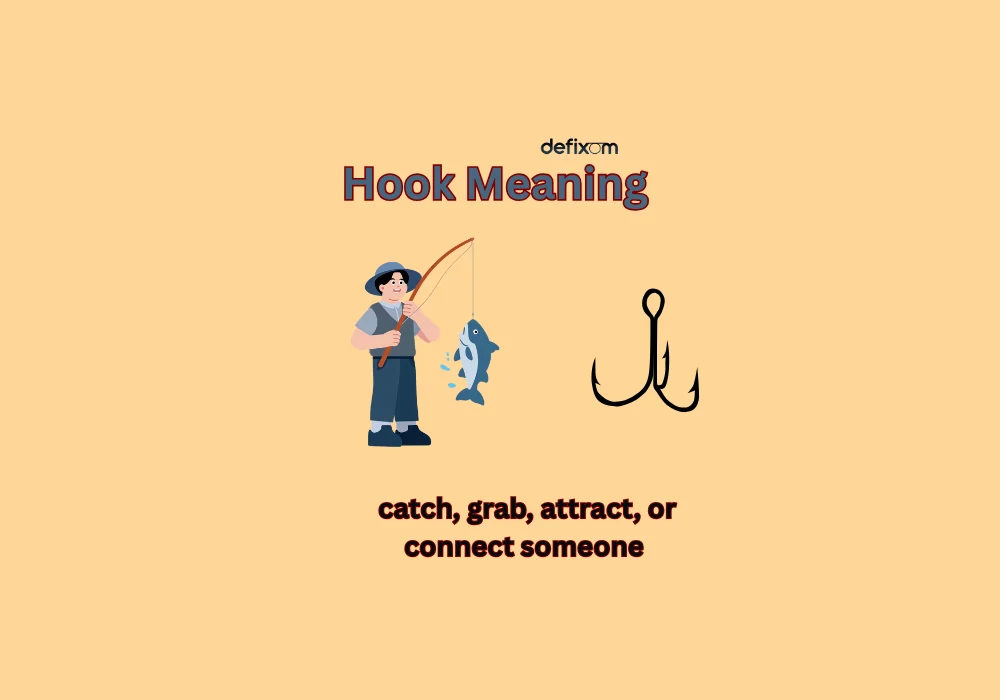
At its core, the word hook means to catch, grab, attract, or connect someone or something. In texting and slang, the meaning depends heavily on context.
In modern chat language, hook usually means one of the following:
- To attract attention
- To get someone interested or emotionally invested
- To start a romantic or physical connection
- To become addicted or deeply interested in something
- To connect or help someone (informally)
Origin of “Hook” in Slang
The slang use of hook evolved from its literal meaning—a curved tool used to catch fish. Over time, people began using it metaphorically:
- If something hooks you, it “catches” your attention
- If someone hooks you, they pull you into a situation, interest, or relationship
By the early 2000s, “hook up” became popular in dating slang, and by the 2010s–2020s, “hook” spread across social media as a shorthand expression.
Hook Meaning in Texting and Chat (2026 Usage)
In modern texting, hook is flexible and context-driven. Here are the most common meanings you’ll see today:
1. Hook = Attract or Grab Attention
This is one of the most popular uses online.
Example:
“That video had a strong hook in the first 3 seconds.”
Meaning:
Something interesting or catchy that pulls people in.
📌 Common on:
- TikTok
- YouTube
- Instagram Reels
- Marketing and content creation chats
2. Hook = Emotionally or Mentally Invested
When someone says they’re hooked, it means they’re deeply interested or addicted.
Example:
“I watched one episode and now I’m hooked 😭”
Meaning:
They can’t stop watching or thinking about it.
3. Hook = Romantic or Physical Connection
In casual chat, hook can imply flirting, dating, or a physical meetup (similar to “hook up”).
Example:
“Did you two hook last night?”
Meaning:
Did you connect romantically or physically?
⚠️ This meaning is context-sensitive and more informal.
4. Hook = Help or Connect Someone
Sometimes, hook simply means helping someone out.
Example:
“Can you hook me with the notes?”
Meaning:
Can you provide or share something?
This version is friendly and non-romantic.
How to Use “Hook” Correctly in Texts or Chat
Using hook correctly depends on tone, audience, and platform. Here’s how to avoid confusion:
Best Practices
- ✔️ Use it casually with friends
- ✔️ Match the tone of the conversation
- ✔️ Add context if meaning could be unclear
- ✔️ Use emojis to clarify intent
Examples by Context
Social Media
“You need a strong hook to stop people scrolling.”
Casual Texting
“That game hooked me instantly 🎮”
Romantic Chat
“I think he’s trying to hook me 👀”
Friendly Help
“Can you hook me up with the link?”
Examples of “Hook” in Real Conversations
Here are realistic and relatable chat-style examples you might see in 2026:
1 Example – Entertainment
A: “Is that show good?”
B: “Yeah, first episode hooked me right away.”
2 Example – Social Media
“If your intro doesn’t hook people, they scroll.”
3 Example – Romance
A: “Why is he texting so much?”
B: “Sounds like he’s trying to hook you 😅”
4 Example – Help
“Hook me with the playlist you shared yesterday.”
Common Mistakes or Misunderstandings
Despite being popular, hook is often misunderstood. Here are common mistakes to avoid:
1. Assuming It’s Always Romantic
Not every use of hook means dating or intimacy.
❌ Wrong assumption:
“She said she hooked me” = romantic
✔️ Correct:
Could simply mean she helped or connected you
2. Using It in Formal Writing
Hook is informal slang and shouldn’t be used in professional emails unless you’re writing casually.
❌ Avoid in:
- Work emails
- Academic writing
- Formal presentations
3. Ignoring Context
The same sentence can mean different things depending on the situation.
Example:
“He hooked me.”
This could mean:
- Helped you
- Interested you
- Flirted with you
Context matters.
Hook Meaning on Social Media Platforms
Hook on TikTok & Reels
On short-form video platforms, hook refers to the first few seconds that grab attention.
Example:
“Your hook decides if the video goes viral.”
Hook in Marketing & Content Creation
Creators often talk about hooks as emotional or curiosity triggers.
- Shock
- Question
- Relatable moment
- Bold statement
Related Slangs or Abbreviations
Here are similar or related slang terms you might encounter:
- Hooked – addicted or very interested
- Hook up – romantic or physical connection
- Pulled in – attracted emotionally
- Caught feelings – developed romantic interest
- Reeled in – convinced or persuaded
Is “Hook” Still Relevant in 2026?
Yes—more than ever.
With attention spans shrinking and digital conversations increasing, hook has become a core term in:
- Texting culture
- Creator economy
- Online dating
- Social media marketing
Its flexibility keeps it relevant, and Gen Z and Gen Alpha continue to use it creatively.
Quick Summary: Hook Meaning in Chat
- Hook means to attract, interest, connect, or help
- Meaning changes based on context
- Common in texting, social media, and casual speech
- Not always romantic
- Still trending and relevant in 2026
Final Thoughts
Understanding the hook meaning in text and chat helps you avoid confusion and communicate more confidently online.
Whether someone says they’re hooked on a show, need a better hook, or trying to hook someone, the key is context.
Language evolves fast—but knowing modern slang like hook keeps you socially fluent and digitally aware. Updated for 2026, this guide ensures you’re never left guessing again.

I am a curious writer at Defixom who loves breaking down words, meanings, and ideas into simple, easy-to-understand explanations. My goal is to help readers quickly find clear answers without confusion, using clean language and real human insight.