What “Frail” Really Means, How People Use It, and Why Context Matters
In today’s fast-moving digital conversations, even simple words can take on deeper or slightly altered meanings depending on context.
One such word is frail. While it’s not an abbreviation or acronym, people frequently search for frail meaning because it appears in texts, comments, captions, memes, and even sarcastic chat messages.
Understanding what frail means—and how it’s used in modern texting and online culture—helps you avoid misunderstandings, read tone correctly, and respond appropriately. This guide breaks down the frail meaning in text and chat, explains its origin, and shows how it’s used in real conversations today.
What Does “Frail” Mean? (Definition & Origin)
Basic Definition of Frail
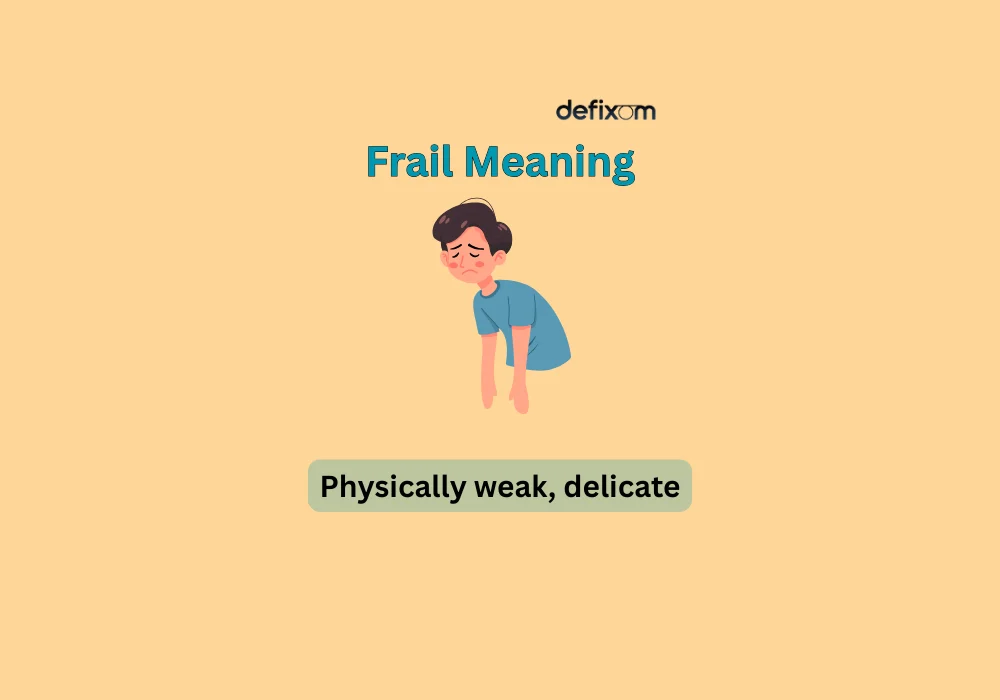
At its core, frail means:
Physically weak, delicate, or easily damaged.
It’s often used to describe a person, object, or even an emotional state that lacks strength or stability.
Examples:
- A frail glass ornament
- A frail voice shaking with emotion
In texting and online language, frail keeps this core meaning but sometimes gains emotional, sarcastic, or figurative layers.
Origin of the Word “Frail”
The word frail comes from the Old French fraile, meaning fragile or weak, which traces back to Latin fragilis (breakable). That same root gives us words like fragile and fracture.
So historically and linguistically, frail = easily broken, whether physically or emotionally.
Frail Meaning in Texting & Online Chats
In modern digital communication, frail is usually used in three main ways:
1. Literal Physical Meaning
This is the most traditional use.
Example:
“My grandma is getting frail, so we help her with daily tasks.”
Here, frail means physically weak or delicate, often due to age or illness.
2. Emotional or Mental Fragility
In chats, frail is often used metaphorically.
Example:
“After everything that happened, my confidence feels frail.”
Here, it describes emotional vulnerability rather than physical weakness.
3. Sarcastic or Playful Usage (Modern Slang Influence)
In casual chats, especially on social media, frail can be used jokingly or dramatically.
Example:
“I skipped coffee today and now I’m frail 😭”
This doesn’t mean the person is actually weak—it’s humorous exaggeration.
How to Use “Frail” Correctly in Texts or Chat
Using frail correctly depends on tone, context, and audience. Here’s how to get it right.
Appropriate Contexts for “Frail”
You can safely use frail when talking about:
- Health or aging
- Emotional vulnerability
- Physical weakness
- Delicate objects
- Dramatic or humorous self-expression
When to Be Careful Using “Frail”
Because frail can sound sensitive or negative, avoid using it:
- To mock someone’s appearance
- As an insult
- In professional settings without clarity
Risky example:
“He looks frail.”
This may sound judgmental unless said with care.
Better Alternatives (If Tone Matters)
Depending on context, you can replace frail with:
- Delicate
- Fragile
- Weak
- Vulnerable
- Not feeling strong
Examples of “Frail” in Real Conversations
Everyday Texting Examples
- “I caught the flu and feel so frail today.”
- “This phone charger is frail—don’t bend it.”
- “Emotionally frail but still trying.”
Social Media & Caption Examples (2026 Style)
- “Running on 3 hours of sleep, mentally frail ☕”
- “When the Wi-Fi drops and your soul feels frail.”
- “Gym skipped me today, body feeling frail.”
These examples show how frail blends seriousness with humor online.
Forum & Comment Section Usage
- “The argument in this article feels frail and unsupported.”
- “Our economy is in a frail state right now.”
Here, frail describes instability or weakness, not people.
Common Mistakes or Misunderstandings
1 Mistake : Thinking “Frail” Means Old Only
While often associated with aging, frail does NOT mean old.
Young people, ideas, emotions, and objects can all be frail.
2 Mistake : Using “Frail” as an Insult
Calling someone frail without context can sound rude or insensitive.
❌ “You’re frail.”
✅ “He’s been feeling frail since the illness.”
3 Mistake : Confusing “Frail” with “Thin”
Being thin doesn’t mean someone is frail. Frailty is about strength, not body size.
Related Slang, Words & Abbreviations
If you’re researching frail meaning, you might also be interested in these related terms:
Similar Words
- Fragile – Easily broken or damaged
- Weak – Lacking strength
- Delicate – Fine, light, or easily harmed
- Vulnerable – Open to emotional or physical harm
Modern Text Slang with Similar Vibes
- Low energy
- Mentally drained
- Burnt out
- On my last nerve
Why “Frail” Is Still Relevant in 2026
Even though slang evolves quickly, frail remains relevant because:
- It’s flexible (literal + emotional + humorous)
- It works across ages and platforms
- It fits modern mental-health conversations
- It’s commonly used in captions and storytelling posts
In 2026, people are more open about emotional states, and frail is often used to express vulnerability in a soft, relatable way.
How to Tell the Tone When You See “Frail”
When reading a text or comment, ask yourself:
- Is the topic serious or playful?
- Are emojis present?
- Is it self-referential or about someone else?
Example:
- “Feeling frail after leg day 😭” → playful
- “He’s physically frail due to illness.” → serious
Context always defines meaning.
Quick Summary: Frail Meaning in Text
- Frail means weak, delicate, or easily affected
- Can describe physical, emotional, or abstract weakness
- Used seriously or humorously depending on context
- Common in texts, captions, forums, and comments
- Not slang, but widely used in modern digital language
Conclusion:
Understanding the frail meaning in text and chat helps you read messages more accurately and communicate with empathy. Whether someone is describing their health, emotions, or just being dramatic online, frail is a word that blends honesty with relatability.
As digital language continues to evolve in 2026, words like frail remain powerful because they express vulnerability in a simple, human way. Knowing how—and when—to use it makes your communication clearer and more thoughtful.

I am the voice behind Defixom, a site dedicated to explaining meanings in a clear and simple way. I love turning confusing words into easy explanations so anyone can understand them in seconds. My goal is to make learning meanings fast, friendly, and stress-free.