In today’s fast-moving digital world, words don’t always mean what they used to. One simple term like “flag” can carry very different meanings depending on where and how it’s used.
From texting and social media to online forums and dating apps, understanding the flag meaning in chat is essential to avoid confusion, missed signals, or awkward replies.
If you’ve ever seen someone say “That’s a red flag 🚩” or “I’m flagging this” in a conversation and wondered what they really meant, you’re not alone. This guide breaks down the modern, slang-based meaning of “flag”, how people actually use it online, and how you can use it naturally yourself.
What Does “Flag” Mean? (Definition & Origin)
Basic Meaning of Flag
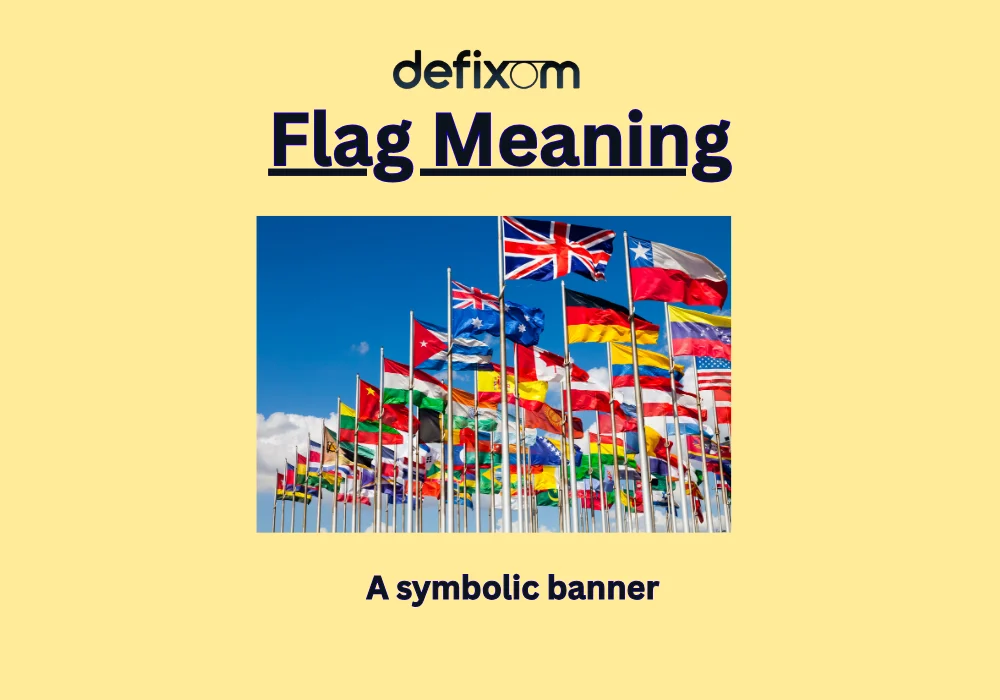
At its core, the word flag traditionally means:
- A piece of cloth used as a symbol (country flag, signal flag)
- To mark or signal something important
But in modern texting, chat, and internet slang, flag has evolved into a powerful metaphor.
Flag Meaning in Text and Chat
In online conversations, flag usually means:
To point out, highlight, warn about, or mark something as important, suspicious, or problematic.
Depending on context, it can be:
- A warning sign 🚩
- A signal for attention
- A way to report or mark content
- A hint that something feels “off”
Origin of the Slang Usage
The slang use of flag comes from:
- 🚩 Red flags used as warning signals in real life
- Moderation systems that “flag” inappropriate content
- Dating culture, where “red flags” signal toxic behavior
Over time, these ideas merged into everyday digital language.
What Does “Red Flag” Mean in Slang?
Red Flag Meaning in Chat
When someone says “That’s a red flag”, they mean:
A warning sign that something could be wrong, unhealthy, or risky.
This is by far the most common form of flag meaning in modern slang.
Common Contexts
- Dating and relationships
- Friendships
- Workplace behavior
- Social media drama
Examples
- “He never answers calls but always texts at 2 a.m. 🚩”
- “She hates all her exes—major red flag.”
- “They won’t explain the deal properly? That’s a red flag.”
💡 Personal insight: In 2026, people use “red flag” casually, sometimes even humorously, to point out minor quirks—not just serious issues.
How to Use “Flag” in Texts or Chat
1. Using “Flag” as a Warning
This is the most popular usage.
1.Examples:
- “That comment feels like a red flag.”
- “I’m getting flag vibes from this situation.”
- “Huge flag, not gonna lie.”
2. Using “Flag” as an Action
Sometimes, flag is used as a verb.
2.Examples:
- “I’m flagging this message.”
- “Can you flag that post?”
- “Flag it for review.”
This is common on:
- Forums
- Discord
- Workplace chats (Slack, Teams)
3. Casual or Funny Usage
In memes and jokes, flag can be playful.
3.Examples:
- “He puts ketchup on pizza 🚩😂”
- “Sleeps with socks on—red flag or nah?”
Examples of “Flag” in Real Conversations
Text Message Examples
- Friend: “She still checks her ex’s stories every day.”
You: “Yeah… that’s a bit of a red flag.” - You: “This email sounds fake.”
Coworker: “Good catch, flag it.”
Social Media Examples
- “When someone says ‘trust me’ too much 🚩”
- “Normalize leaving at the first red flag.”
Dating App Examples
- “No bio, one photo—red flag.”
- “He says ‘I’m bad at texting’ 🚩”
These examples show how flag meaning shifts slightly based on tone and platform.
Different Types of Flags in Slang (2026 Usage)
🚩 Red Flag
- Warning sign
- Negative behavior
- Potential problem
🟩 Green Flag
- Positive sign
- Healthy behavior
- Good qualities
Example:
“He communicates clearly—green flag.”
🟨 Yellow Flag
- Neutral or questionable sign
- Not bad, but worth noticing
Example:
“He’s always late—yellow flag for me.”
This color-based flag system is extremely popular on TikTok, X (Twitter), and Instagram in 2026.
Common Mistakes or Misunderstandings
1. Thinking “Flag” Always Means Something Bad
Not true. While red flag is negative, flag alone can simply mean:
- Notice this
- Pay attention
- Mark it for later
2. Overusing “Red Flag”
In 2026, some people jokingly call everything a red flag. This can:
- Dilute its meaning
- Cause unnecessary drama
💡 Tip: Use it thoughtfully, especially in serious conversations.
3. Confusing “Flag” with Reporting
- “That’s a red flag” ≠ “I reported it”
- “I flagged it” usually means reporting content
Context matters.
Related Slangs and Abbreviations
Here are common slang terms connected to flag meaning:
- 🚩 (Red flag emoji): Silent warning
- Green flag: Positive sign
- Sus: Suspicious behavior
- Ick: Sudden turn-off
- Side-eye 👀: Doubt or suspicion
- Lowkey / Highkey: Degree of concern
- Vibes off: Something feels wrong
Where Is “Flag” Commonly Used?
Platforms
- Text messages
- WhatsApp & Messenger
- Instagram & TikTok comments
- X (Twitter)
- Reddit & Discord
- Dating apps
- Workplace chat tools
Tone Awareness
- Casual chats: Often humorous
- Dating talks: More serious
- Work chats: Professional and literal
How to Use “Flag” Correctly (Quick Guide)
✔ Use red flag to warn about behavior
✔ Use flag it when reporting or marking content
✔ Match the tone to the platform
✔ Emojis help clarify intent 🚩
❌ Don’t overuse it for tiny issues (unless joking)
Why Understanding “Flag Meaning” Matters in 2026
Language online changes fast. Misunderstanding slang like flag can lead to:
- Misreading intentions
- Awkward replies
- Missing important warnings
Knowing how flag meaning in chat works helps you:
- Communicate clearly
- Spot red flags early
- Sound natural and up-to-date online
Conclusion:
To sum it up, flag meaning in modern slang revolves around attention, warning, and awareness. Whether it’s calling out a 🚩 red flag in dating, flagging content for review, or joking with friends, the word has become a powerful shorthand in digital communication.
Updated for 2026, “flag” is no longer just a symbol—it’s a mindset. It helps people express concern, protect boundaries, and communicate quickly in an online-first world.

I am the voice behind Defixom, a site dedicated to explaining meanings in a clear and simple way. I love turning confusing words into easy explanations so anyone can understand them in seconds. My goal is to make learning meanings fast, friendly, and stress-free.