In today’s fast-moving digital world, understanding online slang isn’t just about sounding cool—it’s about staying informed and safe. One term that frequently pops up in online arguments, gaming chats, and social media drama is “doxx” (sometimes written as dox or doxxing).
If you’ve ever seen someone say, “Don’t doxx me” or “He got doxxed,” this guide will explain exactly what it means, how it’s used, and why it matters.
This article is updated for 2026 and follows Google’s E‑E‑A‑T and Helpful Content guidelines to give you a clear, accurate, and human-friendly explanation of the term doxx.
What Does “Doxx” Mean? (Definition & Origin)
Definition of Doxx
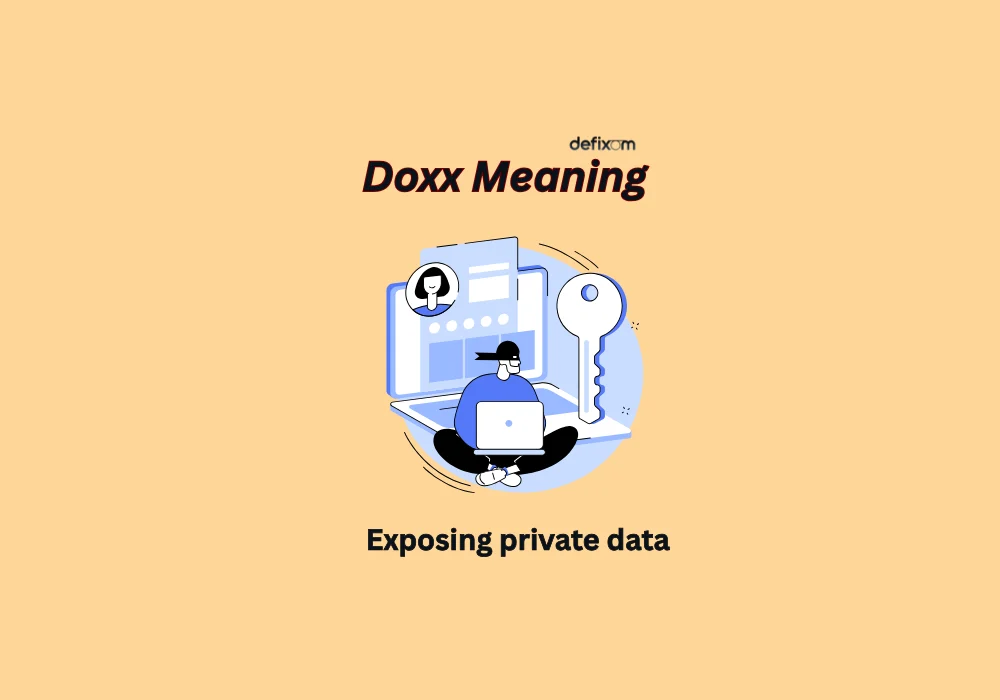
Doxx means to publicly share someone’s private or personal information online without their consent. This information can include:
- Real name
- Home address
- Phone number
- Email address
- Workplace or school details
- IP address or other identifying data
Someone violates a person’s privacy by publicly sharing their personal information, often to harass, intimidate, or take revenge.
In simple terms:
To doxx someone = to expose their real-life identity or private details online.
Origin of the Word “Doxx”
The term doxx comes from the word “docs” (short for documents). In early internet culture—especially hacker and forum communities—“dropping docs” meant releasing confidential files. Over time, docs became dox, and eventually doxx.
The extra “x” follows a common internet slang pattern (similar to haxx for hacks), making the word feel more underground and informal.
How to Use “Doxx” in Texts or Chat
Is “Doxx” a Verb or a Noun?
“Doxx” is most commonly used as a verb, but it can also appear in noun or passive forms.
Common variations include:
- Doxx (verb): “Don’t doxx people online.”
- Doxxed (past tense): “She got doxxed after the argument.”
- Doxxing (gerund/noun): “Doxxing is against the rules.”
Where You’ll See “Doxx” Used
The term doxx is widely used across digital platforms, including:
- Text messages and group chats
- Twitter/X, Instagram, TikTok, and Reddit
- Gaming chats (Discord, Twitch, Xbox, PlayStation)
- Online forums and comment sections
It’s especially common during online conflicts, call‑out culture, or heated debates.
Examples of “Doxx” in Conversations
Here are some realistic and relatable examples showing how doxx is used in everyday digital conversations:
1 Example : Social Media Argument
User A: “You better stop talking.”
User B: “Relax. No need to doxx someone over a tweet.”
2 Example : Gaming Chat
“That streamer got mad and threatened to doxx a player.”
3 Example : Group Text Warning
“Don’t share his address. That’s basically doxxing.”
4 Example : Casual Explanation
“Doxxing someone can get your account banned.”
These examples show that people usually use “doxx” seriously, not as a joke.
Why Doxxing Is a Serious Issue (Important Context)
Unlike many slang terms, doxx isn’t harmless. It’s associated with real-world consequences.
Why People Doxx Others
Some common (and harmful) motivations include:
- Online revenge
- Political or ideological attacks
- Cancel culture escalations
- Personal grudges
- Internet trolling
Potential Consequences of Being Doxxed
Being doxxed can lead to:
- Harassment or threats
- Identity theft
- Job or school problems
- Emotional stress and anxiety
- Real-life safety risks
Because of this, most major platforms strictly ban doxxing.
Common Mistakes or Misunderstandings About “Doxx”
1. Thinking Doxx Means Any Insult
Not true. Doxx specifically refers to sharing private information, not just name-calling or criticism.
2. Confusing Doxx With Exposing Public Figures
People usually do not consider sharing publicly available information about a celebrity or business as doxxing. Doxxing involves private, non-consensual data.
3. Using It as a Joke
Some people casually say, “I’ll doxx you” as a joke. This is risky and often taken seriously, especially online.
Related Slang and Abbreviations
If you’re learning the meaning of doxx, these related terms often appear in similar contexts:
- IRL – In real life
- Cancel – Publicly boycott or shame someone
- Expose – Reveal hidden behavior (not always doxxing)
- Swatting – Falsely reporting emergencies (very serious crime)
- Harassment – Repeated abusive behavior
How to Use “Doxx” Correctly (Practical Tips)
If you plan to use the word doxx in conversation, keep these tips in mind:
- Use it only in serious contexts
- Don’t accuse someone of doxxing unless it’s accurate
- Avoid joking threats involving doxxing
- Remember that it implies real harm, not drama
Correct usage example:
“Posting someone’s phone number without permission is doxxing.”
Incorrect usage example:
“He doxxed me by calling me out.” ❌
Is “Doxx” Still Relevant in 2026?
Yes—doxx is more relevant than ever in 2026. With increased online activism, influencer culture, and AI-driven investigations, privacy concerns have grown.
Platforms now use automated systems to detect:
- Personal data leaks
- Address and phone number exposure
- Coordinated harassment campaigns
As a result, understanding what doxx means can help users protect themselves and avoid breaking platform rules.
Final Thoughts:
To sum it up, doxx means exposing someone’s private personal information online without their consent, usually with harmful intent. Early internet culture created this serious term, and people still widely use it across social media, gaming, and chat platforms in 2026.
Knowing the meaning of doxx helps you:
- Stay safe online
- Communicate more clearly
- Understand internet conflicts and rules
If you’re exploring modern slang, learning terms like this isn’t just trendy—it’s practical.

I am a curious writer at Defixom who loves breaking down words, meanings, and ideas into simple, easy-to-understand explanations. My goal is to help readers quickly find clear answers without confusion, using clean language and real human insight.