In today’s fast-moving digital world, people don’t always type long emotional explanations. Instead, they use single words or short expressions to convey deep feelings. One such word you may see in texts, captions, or chats is despondency.
Understanding the despondency meaning can help you better interpret someone’s emotional state—especially when messages feel heavy, quiet, or emotionally loaded.
Whether you spotted it in a WhatsApp message, a tweet, or a late-night chat, this guide explains what despondency means, how it’s used in modern conversations, and how to respond appropriately.
Updated for 2026, this article is written to be clear, relatable, and genuinely helpful.
What Does “Despondency” Mean? (Definition & Origin)
Despondency Meaning (Simple Definition)
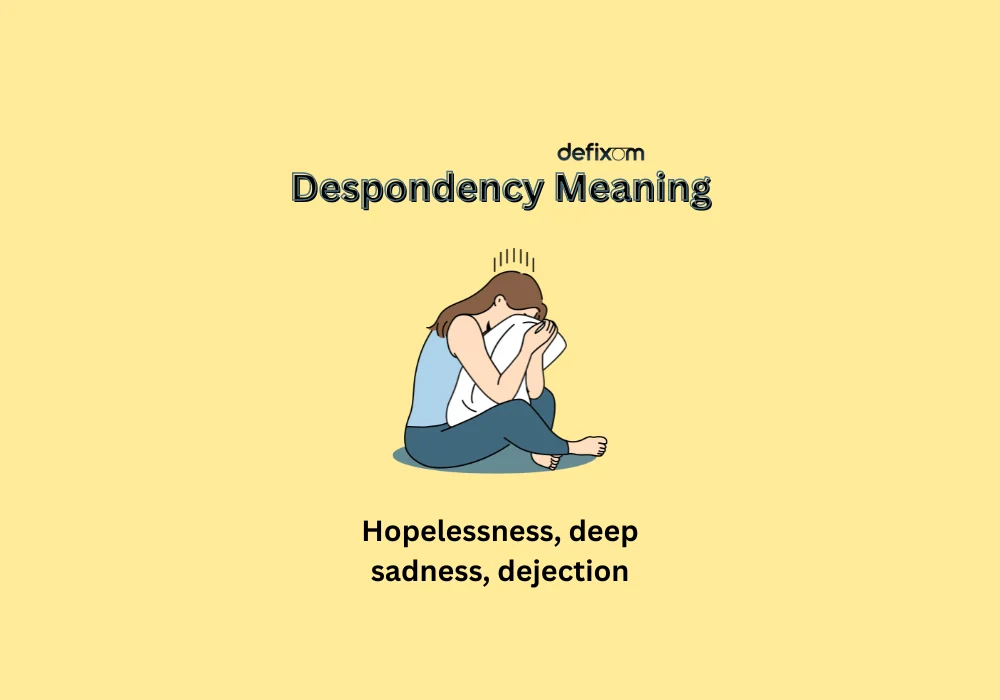
Despondency means a deep feeling of sadness, hopelessness, or loss of confidence, usually after disappointment or prolonged stress. When someone feels despondent, they often believe things won’t improve.
In simple terms:
👉 Despondency = feeling emotionally drained + hopeless
Dictionary-Style Meaning
- A state of low spirits
- Emotional discouragement
- Feeling defeated or helpless
Origin of the Word “Despondency”
The word comes from the Latin term despondere, meaning “to give up” or “to lose hope.” Over time, it evolved into a word used to describe emotional surrender or deep discouragement.
While it’s not an abbreviation like “IDK” or “SMH,” despondency has found its place in modern digital language, especially in emotional or serious conversations.
Despondency Meaning in Texting and Chat Culture
Is “Despondency” Common in Text Messages?
Yes—but not in casual slang chats.
You’ll usually see despondency in:
- Emotional texts
- Deep conversations
- Mental health discussions
- Social media captions
- Online forums or Reddit threads
It’s often used when someone wants to sound honest, vulnerable, or expressive rather than casual.
How It’s Used in Digital Conversations
People use despondency when:
- They’re emotionally exhausted
- They feel stuck in life
- They want to express sadness without sounding dramatic
- They don’t want to use words like depressed or broken
Example:
“Lately, there’s this constant despondency I can’t shake off.”
This sentence feels serious, reflective, and emotionally heavy.
How to Use “Despondency” in Texts or Chats
When It’s Appropriate to Use
You can use despondency when:
- Talking about mental or emotional struggles
- Writing a thoughtful message
- Expressing long-term sadness
- Posting reflective content online
When to Avoid Using It
Avoid using despondency:
- In jokes or memes
- In casual chats like “wyd?”
- When you want a lighthearted tone
It’s a serious emotional word, not slang humor.
Examples of “Despondency” in Conversations
Text Message Examples
- “I didn’t fail, but the despondency afterward was worse than expected.”
- “There’s a quiet despondency that hits at night.”
- “I don’t want advice—just space to sit with this despondency.”
Social Media Caption Examples
- “Trying to stay strong, even in moments of despondency.”
- “Growth often begins after despondency.”
Chat or Forum Usage
- “Burnout leads to despondency if ignored.”
- “Is despondency normal after big life changes?”
These examples show how despondency is used thoughtfully, not casually.
Despondency vs Similar Emotional Words
Many people confuse despondency with other emotional terms. Here’s how they differ:
1.Despondency vs Sadness
- Sadness: Temporary feeling
- Despondency: Deep, lasting hopelessness
2.Despondency vs Depression
- Depression: Medical/clinical condition
- Despondency: Emotional state (not a diagnosis)
3.Despondency vs Discouragement
- Discouragement: Mild loss of motivation
- Despondency: Feeling emotionally defeated
👉 Important: Using despondency does not automatically mean someone is clinically depressed.
Common Mistakes or Misunderstandings
1. Thinking It’s Slang
❌ Wrong
Despondency is a formal English word, not slang.
2. Using It Casually
❌ “This homework gives me despondency 😂”
✔ “This phase of life has brought unexpected despondency.”
3. Confusing It with Temporary Mood Swings
Despondency usually implies depth and duration, not a quick bad mood.
Why People Use “Despondency” Instead of Slang
In 2026, people are becoming more emotionally aware. Instead of abbreviations like:
- “idc”
- “whatever”
- “done with life”
They choose emotionally precise words like despondency to:
- Communicate clearly
- Avoid misunderstandings
- Sound mature and reflective
This shift aligns with mental health awareness trends across social media.
Related Slangs & Abbreviations You Might See
If you’re exploring emotional language in texts, here are related terms you might encounter:
- Burnout – emotional exhaustion
- Empty – emotional numbness
- Low – feeling down
- Drained – mentally exhausted
- Over it – emotionally tired
- Numb – lack of emotional response
How to Respond When Someone Mentions Despondency
If someone texts you using despondency, your response matters.
Helpful Responses
- “I’m really sorry you’re feeling this way.”
- “Do you want to talk about what’s causing it?”
- “I’m here if you need support.”
What to Avoid
- ❌ “Just be positive”
- ❌ “It’s not that serious”
- ❌ Ignoring the message
Using despondency often signals emotional vulnerability.
Why Understanding “Despondency” Matters in 2026
Modern communication isn’t just fast—it’s emotionally layered. Words like despondency help people express:
- Mental fatigue
- Emotional honesty
- Personal struggles
Understanding this term allows you to:
- Read between the lines
- Respond with empathy
- Communicate more effectively online
Final Thoughts:
To sum it up, despondency means deep emotional discouragement and loss of hope. In texting and chat culture, it’s used thoughtfully—not casually—to express serious emotional states. While it’s not slang, it plays an important role in modern digital communication.
As online conversations evolve in 2026, emotional clarity matters more than ever. Knowing words like despondency helps you understand others better—and express yourself more honestly.

I am a curious writer at Defixom who loves breaking down words, meanings, and ideas into simple, easy-to-understand explanations. My goal is to help readers quickly find clear answers without confusion, using clean language and real human insight.