In today’s fast-moving digital world, words from politics, history, and formal language often resurface in texts, social media posts, memes, and online debates. One such word is “demagogue meaning.”
You might see it dropped casually in a tweet, a WhatsApp argument, or a Reddit thread—and if you’re not sure what it really means, the tone can be confusing or even misleading.
Understanding the demagogue meaning helps you decode online conversations, avoid misuse, and communicate more clearly—especially when discussions get heated.
This guide is updated for 2026 and breaks down the meaning of demagogue in simple, human language, with real-life and chat-style examples.
What Does “Demagogue” Mean? (Definition & Origin)
Demagogue Meaning (Simple Definition)
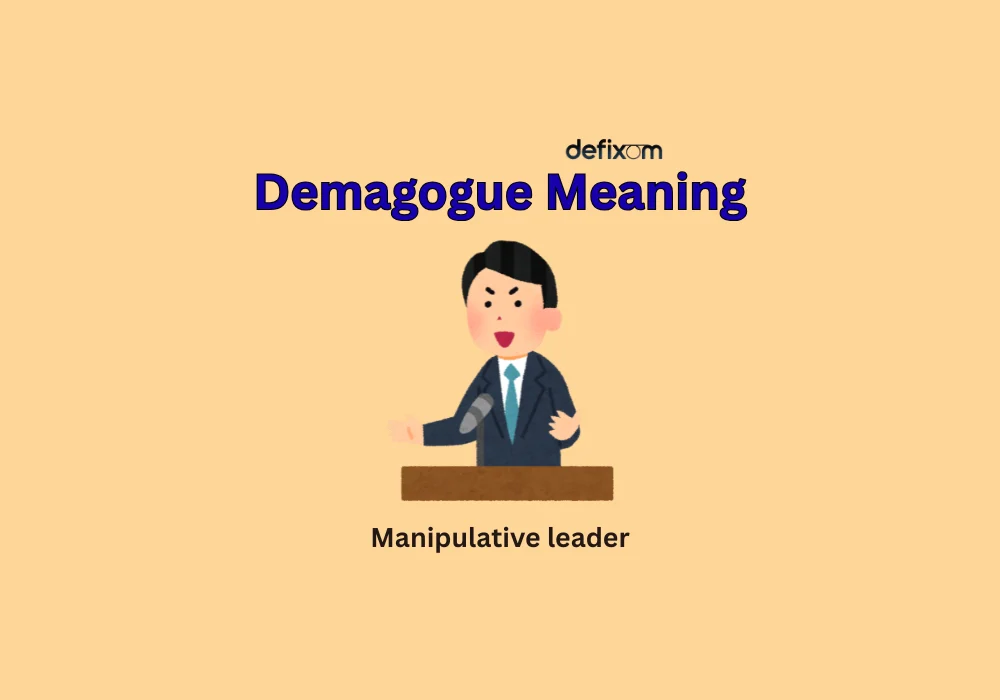
A demagogue is a person—usually a leader or public speaker—who gains support by appealing to people’s emotions, fears, or prejudices rather than logic, facts, or reason.
In simple terms:
- A demagogue stirs emotions instead of explaining facts
- They often use anger, fear, or hype to influence people
- The word is usually negative or critical
Demagogue meaning in one line:
A demagogue is someone who manipulates people by playing on emotions instead of telling the truth.
Origin of the Word “Demagogue”
The word demagogue comes from ancient Greek:
- Dēmos = people
- Agōgos = leader
Originally, it simply meant “leader of the people.” Over time, especially in political history, the meaning shifted. It became associated with leaders who mislead or manipulate the public for personal gain.
By modern usage—especially in online chats and media—the term almost always carries a negative tone.
How Is “Demagogue” Used in Texts or Chat?
Although demagogue isn’t a slang abbreviation like LOL or BRB, it’s commonly used in online arguments, political discussions, and opinionated posts.
Common Contexts Where You’ll See “Demagogue”
- Political debates on Twitter/X
- Facebook comment sections
- Reddit discussions
- WhatsApp group arguments
- News article comment threads
- Memes criticizing leaders or influencers
In texting and chat culture, calling someone a demagogue usually means:
- You think they are manipulating people
- You don’t trust their intentions
- You believe they use emotional drama instead of facts
Tone Matters
Using demagogue in a chat is:
- ❌ Not neutral
- ⚠️ Potentially offensive
- ✔️ Strongly opinionated
That’s why it often appears during heated discussions.
Examples of “Demagogue” in Conversations
To better understand the demagogue meaning in text, let’s look at realistic examples.
1 Example : Social Media Debate
User A: “Did you watch that speech?”
User B: “Yeah, total demagogue vibes—lots of shouting, zero solutions.”
Meaning:
User B is saying the speaker used emotional tactics rather than real plans.
2 Example : WhatsApp Group Chat
“Stop falling for him. He’s a demagogue who knows how to scare people.”
Meaning:
The sender believes the person manipulates fear to gain support.
3 Example : Reddit Comment
“This influencer acts like a demagogue—always creating outrage to stay relevant.”
Meaning:
The term is used beyond politics, applying to online personalities too.
4 Example : Casual Text
“Not saying he’s smart, but he’s definitely a demagogue. People love drama.”
Meaning:
The speaker is criticizing someone’s manipulative communication style.
Demagogue Meaning in Modern Internet Culture (2026)
In 2026, the meaning of demagogue has expanded beyond traditional politics.
Who Gets Called a Demagogue Today?
- Politicians
- Social media influencers
- Viral speakers
- Podcast hosts
- YouTubers spreading extreme views
The internet has made it easier for demagogues to:
- Build large audiences fast
- Spread emotional narratives
- Polarize opinions
That’s why the term is more common online than ever before.
Common Mistakes or Misunderstandings
Even though demagogue is popular in debates, it’s often misused.
1 Mistake : Using It for Any Popular Leader
❌ “He’s famous, so he’s a demagogue.”
✔ Correction:
Popularity alone doesn’t make someone a demagogue. The key factor is emotional manipulation.
2 Mistake : Confusing “Demagogue” With “Leader”
Not every strong or emotional leader is a demagogue.
A demagogue:
- Manipulates emotions
- Avoids facts
- Exploits fears
A good leader:
- Explains clearly
- Uses evidence
- Encourages critical thinking
3 Mistake : Using It Casually Without Context
Because the word is strong, using it without explanation can:
- Start arguments
- Sound aggressive
- Reduce credibility
Tip: If you use demagogue in a discussion, be ready to explain why.
Related Slangs or Abbreviations
While demagogue isn’t an abbreviation, it’s often used alongside other internet terms.
Related Words & Phrases
- Populist – Often confused with demagogue (not always negative)
- Propaganda – Information used to influence opinions
- Gaslighting – Manipulating someone’s perception of reality
- Fearmongering – Spreading fear to control opinions
- Clickbait – Emotional headlines designed to attract attention
Chat-Style Alternatives (Informal)
In casual texts, people may replace demagogue with phrases like:
- “Drama seller”
- “Fear merchant”
- “Manipulative speaker”
- “Emotion over facts guy”
How to Use “Demagogue” Correctly
If you want to use demagogue properly in texts or online conversations, keep these tips in mind.
When It’s Appropriate
Use demagogue when:
- Someone is clearly manipulating emotions
- Facts are being ignored
- Fear or anger is the main tactic
When to Avoid It
Avoid using demagogue:
- In professional emails
- Without clear reasoning
- In friendly or light chats
- If you want to avoid conflict
Correct Usage Example
“I disagree with him because his arguments rely more on fear than facts—classic demagogue behavior.”
This sounds clear, informed, and credible.
Why Understanding “Demagogue Meaning” Matters
In the age of:
- Viral content
- AI-generated posts
- Fast misinformation
Knowing the true meaning of demagogue helps you:
- Spot manipulation
- Think critically
- Communicate smarter
- Avoid emotional traps online
It’s not just a vocabulary word—it’s a media literacy tool.
Conclusion:
To sum it up, the demagogue meaning refers to a person who wins support by manipulating emotions rather than relying on facts or reason. While the word has ancient roots, its relevance in modern texting, social media, and online debates has never been stronger.
In 2026’s digital landscape, demagogue is often used to criticize politicians, influencers, or speakers who thrive on outrage, fear, or emotional hype. Knowing how and when to use this term helps you sound informed—and avoid misunderstandings.
Understanding words like demagogue makes you a smarter digital communicator. Language is power, especially online.

I am the voice behind Defixom, a site dedicated to explaining meanings in a clear and simple way. I love turning confusing words into easy explanations so anyone can understand them in seconds. My goal is to make learning meanings fast, friendly, and stress-free.