In the fast-paced world of texting, social media, and online chats, words carry more weight than ever. Understanding the meaning of “cruel” is not just about knowing its dictionary definition—it’s about recognizing how it’s used in conversation, memes, or even playful banter.
Misinterpreting words like “cruel” can lead to confusion or misunderstandings, especially in casual chats where tone and context matter.
This guide breaks down the cruel meaning, how to use it correctly in texts, examples of usage, common mistakes, and related slang terms, all in a simple, relatable way. Let’s dive in.
What Does “Cruel” Mean? (Definition & Origin)
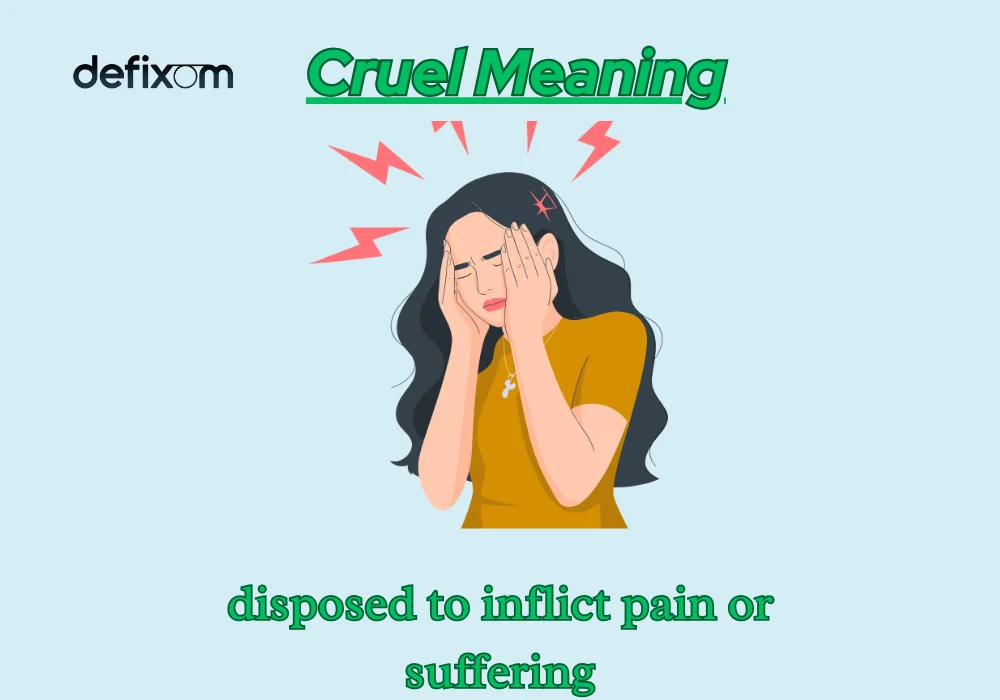
At its core, “cruel” is an adjective that describes someone or something that causes pain, suffering, or harm, either intentionally or without regard for others’ feelings.
Origin:
The word “cruel” comes from the Latin word crudelis, meaning harsh or severe. Over centuries, it evolved in English to describe actions, behavior, or words that are unkind, hurtful, or merciless.
Key points:
- Cruel person: Someone who deliberately hurts others.
- Cruel act: A harmful action, like teasing someone harshly.
- Cruel world: A figurative way to describe difficult or unfair situations.
In texting and social media, “cruel” can also be used playfully or sarcastically, especially among friends:
“That was cruel of you to eat the last slice of pizza 😂”
Here, it’s not literal cruelty—it’s teasing.
How to Use “Cruel” in Texts or Chat
Understanding the context is crucial when using “cruel” in messages. Tone, emoji, and relationship with the recipient change how the word is interpreted.
Formal vs Casual Usage
- Formal:
- “The dictator’s policies were cruel and unjust.”
This is a serious, literal use of the word.
- “The dictator’s policies were cruel and unjust.”
- Casual/Texting:
- “You didn’t invite me to the party? That’s cruel 😭”
- “OMG, leaving me on read is so cruel 😂”
Tips for Texting “Cruel” Correctly
- Add context or emojis: Helps readers understand if you’re joking or serious.
- Know your audience: Use playful “cruel” only with friends who understand your humor.
- Avoid overuse in serious chats: Saying someone is “cruel” in a professional or sensitive context can offend.
Examples of “Cruel” in Conversations
Here are some realistic texting examples to see how “cruel” works in chat culture:
1.Example : Playful teasing
- Friend 1: “I finished the ice cream before you got here 😎”
- Friend 2: “That’s so cruel! I was saving that 😭”
2.Example : Mild exaggeration
- “Leaving me on read for 3 hours… cruel, just cruel 😤”
3.Example : Serious context
- “It’s cruel to ignore someone who’s going through a hard time.”
4.Example : Social media post
- Caption under a funny meme: “When you realize Monday is tomorrow… cruel 😂”
Notice how context and tone change whether “cruel” feels harsh or humorous.
Common Mistakes or Misunderstandings
Even though “cruel” is widely used, people often misuse it in texts and chats:
- Confusing “cruel” with “rude”
- Wrong: “You didn’t text back? That’s cruel.”
- Correct: Playful exaggeration is okay, but know the difference: “rude” = impolite, “cruel” = intentionally hurtful.
- Using “cruel” in sarcasm without cues
- Text alone may not convey sarcasm, so add emojis or context.
- Overusing it for minor inconveniences
- Saying “cruel” for everything can dilute its impact.
Related Slangs or Abbreviations
“Cruel” also appears alongside modern slang in texts and online chats:
- Deadass – Emphasizes seriousness; can be paired with “cruel” for effect
- “Deadass, leaving me on read is cruel 😤”
- BRB, LOL, SMH – These abbreviations can be used around “cruel” to express humor, frustration, or disbelief
Knowing these related terms can make your texting more expressive and relatable.
Why Knowing “Cruel” Matters in Texting Culture
Texting and online communication often lack vocal tone and body language, which can make words feel harsher than intended. Understanding the cruel meaning helps you:
- Avoid accidental offense
- Use playful exaggeration safely
- Understand memes, jokes, or social media posts
With social media trends constantly evolving, knowing words like “cruel” and their playful or sarcastic uses keeps you in the loop.
Conclusion
The word “cruel” is versatile—it can describe real harm, playful teasing, or social exaggeration. Using it correctly depends on context, tone, and audience.
From texts to memes, understanding its nuances helps you communicate clearly and avoid misunderstandings.
Remember: in 2026 texting culture, emojis and context clues are your best friends when using words like cruel. So whether you’re joking with friends or commenting on a meme, you now know how to use it with confidence.

I am the voice behind Defixom, a site dedicated to explaining meanings in a clear and simple way. I love turning confusing words into easy explanations so anyone can understand them in seconds. My goal is to make learning meanings fast, friendly, and stress-free.