In today’s fast-moving texting and online chat culture, words can change tone and meaning fast. One term you’ll often see in messages, comments, or even memes is “blather.” While it’s not a new word, its modern digital usage has evolved—especially in casual chats, social media, and online discussions.
Understanding the blather meaning helps you avoid miscommunication and use it correctly without sounding rude, awkward, or outdated. Whether someone says “Stop blathering” or “Sorry for the blather”, the intent can range from playful to critical depending on context.
Updated for 2026, this guide breaks down everything you need to know about blather in simple, human language—no dictionary confusion, just real-world usage.
What Does “Blather” Mean? (Definition & Origin)
Blather Meaning (Simple Definition)
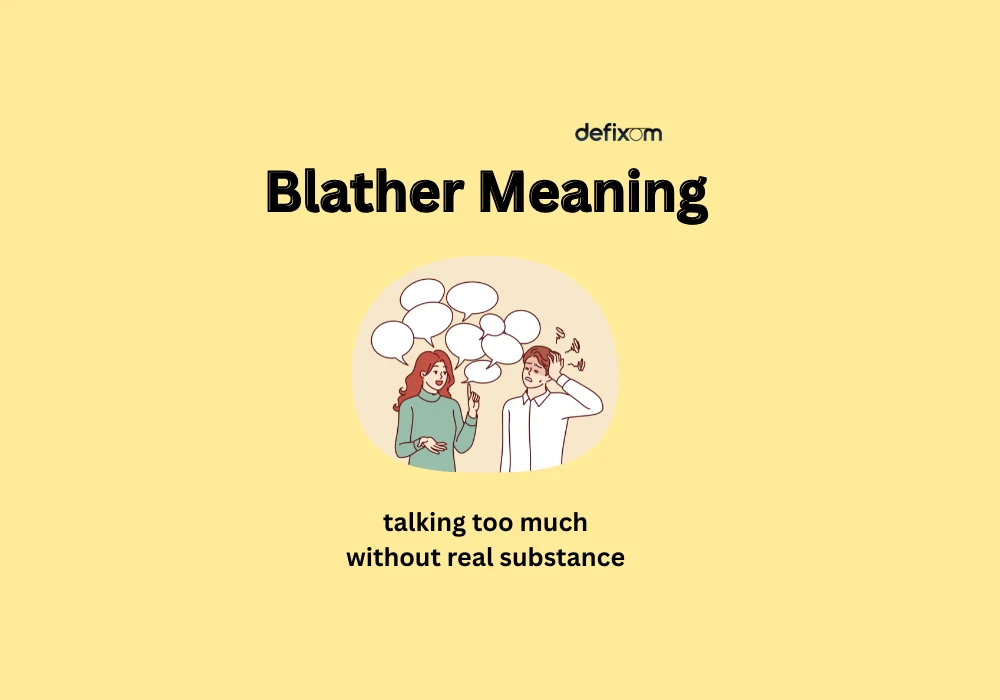
Blather means:
Talking too much, especially in a way that is pointless, silly, or boring.
In texting and chat, it’s often used to describe:
- Long, unnecessary messages
- Rambling explanations
- Talking without getting to the point
📌 In short: Blather = excessive, meaningless talk
Origin of the Word “Blather”
The word blather comes from:
- Scottish and Northern English dialects
- Originally meaning “foolish talk” or “nonsense speech”
Over time, it entered mainstream English and is now commonly used in:
- Casual conversation
- Online arguments
- Social media commentary
- Text messages and forums
Unlike many modern slang terms, blather isn’t an acronym, but it fits perfectly into today’s informal digital language.
How to Use “Blather” in Texts or Chat
Common Ways “Blather” Appears Online
In modern texting culture, blather is usually used as:
- A noun (the talk itself)
- A verb (the act of talking too much)
As a noun:
“Ignore the blather and focus on the facts.”
As a verb:
“He keeps blathering about stuff nobody cares about.”
Tone Matters: Playful vs Critical
This word can sound lighthearted or insulting, depending on context.
✔️ Playful / Friendly
- “Sorry for the blather, I’m just excited 😂”
- “That was a lot of blather, but you get my point”
❌ Critical / Annoyed
- “Stop blathering and get to the point”
- “All that blather didn’t answer the question”
💡 Personal insight: In texts, adding emojis or softeners like “lol” or “sorry” can make blather feel less harsh.
Examples of “Blather” in Real Conversations
Everyday Texting Examples
Friend-to-friend
“I sent him a short reply, not all that blather you wrote.”
Apology context
“Didn’t mean to blather on—I’ll keep it short.”
Sarcastic humor
“That podcast was two hours of blather and zero info.”
Social Media & Online Chats (2025 Style)
Reddit / Forums
“Most of the comments are just political blather.”
X (Twitter)
“Enough marketing blather—show the actual features.”
Work chats
“Let’s cut the blather and finalize the plan.”
These examples show how blather meaning in chat is tied to brevity and relevance, which are highly valued in modern digital communication.
Common Mistakes or Misunderstandings
1. Thinking “Blather” Means Talking a Lot (Only)
🚫 Wrong:
“She blathers because she talks a lot.”
✅ Correct:
“She blathers because she talks a lot without saying anything useful.”
👉 It’s not just quantity—it’s quality.
2. Using It in Formal Writing
Blather is informal. Avoid it in:
- Academic papers
- Legal documents
- Professional reports
Instead, use:
- Unnecessary commentary
- Irrelevant discussion
3. Using It Without Context
Saying “That’s blather” without explanation can sound rude or dismissive.
💡 Tip: Soften it with context:
- “That part felt like blather to me”
- “A bit of blather, but overall useful”
Related Slangs or Abbreviations Similar to “Blather”
Here are modern slang terms and phrases with similar meanings:
Casual Alternatives
- Yap – Talking too much (Gen Z slang)
- Ramble – Long, unfocused talk
- Babble – Confused or childish talk
- Word vomit – Oversharing thoughts
Internet & Chat Slang
- TL;DR – Too long; didn’t read (reaction to blather)
- Spam talk – Repetitive or useless messages
- Noise – Info with no value
When Should You Use “Blather”? (Practical Guide)
Best Contexts to Use “Blather”
✔️ Text messages
✔️ Social media comments
✔️ Casual emails
✔️ Online discussions
✔️ Friendly debates
When to Avoid It
❌ Professional presentations
❌ Customer service replies
❌ Serious emotional conversations
💬 Real-life advice: If you wouldn’t say it to your boss or teacher, don’t use blather in formal settings.
Why “Blather” Is Still Relevant in 2026
In an era of:
- Short attention spans
- Fast scrolling
- Bite-sized content
Words like blather are more relevant than ever.
People now use it to call out:
- Overly long captions
- AI-generated fluff
- Marketing jargon
- Pointless arguments
It’s a single word that instantly signals “this is too much and not helpful.”
Blather Meaning vs Similar Words (Quick Comparison)
| Word | Meaning | Tone |
|---|---|---|
| Blather | Long, pointless talk | Mildly negative |
| Ramble | Unfocused talking | Neutral |
| Babble | Silly or confused talk | Light / childish |
| Yap | Nonstop talking | Playful / Gen Z |
| Rant | Emotional complaining | Intense |
Conclusion:
To sum it up, blather meaning in text and chat refers to talking too much without real substance. It’s an informal, expressive word that fits perfectly into modern digital communication—especially when you want to call out unnecessary talk or apologize for rambling yourself.
When used correctly, blather can be:
- Funny
- Honest
- Relatable
Just remember: context and tone matter. Add humor or explanation if you don’t want it to sound harsh.
✨ Updated for 2026, this word remains relevant in chats, comments, and online culture where clarity beats noise every time.

I am a curious writer at Defixom who loves breaking down words, meanings, and ideas into simple, easy-to-understand explanations. My goal is to help readers quickly find clear answers without confusion, using clean language and real human insight.