In today’s digital world, texting and online chats have their own evolving language. Whether it’s abbreviations, slang, or identity-related terms, keeping up with what people mean in messages is essential. One term you might have seen popping up on social media, forums, or texting apps is “bigender.” Understanding bigender meaning not only helps in respectful communication but also allows you to engage confidently in conversations about gender identity.
Let’s dive deep into this term, its origin, usage in texting culture, and practical examples you can relate to.
What Does “Bigender” Mean? (Definition & Origin)
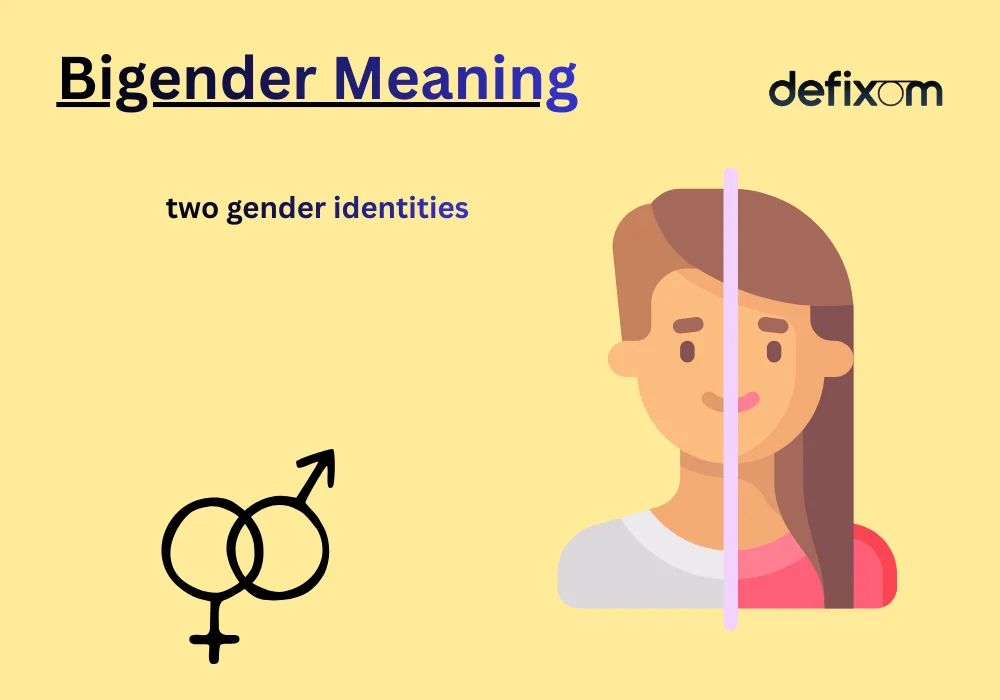
Bigender is a term used to describe a person who identifies with two gender identities, either simultaneously or at different times. These identities can be male and female, or a combination of any other genders.
- Origin: The word “bigender” comes from the prefix “bi-” (meaning two) and “gender” (social and cultural roles associated with being male, female, or other).
- In context: Bigender is part of the broader non-binary and genderqueer spectrum, which recognizes that gender is not strictly male or female.
Key point: Being bigender is about personal identity. It is not a choice but an intrinsic understanding of oneself.
How to Use “Bigender” in Texts or Chat
When chatting online, it’s important to use terms like bigender respectfully. Here are some ways you might see it used:
- Introducing yourself:
- “Hey, I’m Alex, I’m bigender 🌈”
- Describing others:
- “Sam identifies as bigender, so they might switch pronouns sometimes.”
- In discussions or forums:
- “Bigender people can experience both masculine and feminine expressions.”
Pro tip for texting: Always respect the person’s pronouns. Common pronouns for bigender individuals can include he/they, she/they, or even neopronouns.
Examples of “Bigender” in Conversations
Seeing the term in real-life chats helps you understand it better. Here are some relatable examples:
- Texting with friends:
Friend 1: “I can never pick just one outfit. 😅”
Friend 2: “Sounds like a bigender vibe!” - Social media comments:
- “Proud to be bigender 💜💙 #GenderIdentity”
- Online forums:
- “As a bigender person, I feel like I get to explore both sides of my identity depending on the day.”
Fun fact: Emojis 🌈✨ are often used alongside bigender self-identification in texts and social media to celebrate gender diversity.
Common Mistakes or Misunderstandings
Even though bigender is increasingly recognized, there are some common mistakes to avoid:
- Confusing it with bisexuality:
- Bigender is about gender identity, not sexual orientation. Someone can be bigender and attracted to any gender.
- Assuming pronouns:
- Don’t assume pronouns based on appearance. Ask politely:
- “Hey, what pronouns do you use today?”
- Don’t assume pronouns based on appearance. Ask politely:
- Thinking it’s a phase:
- Being bigender is not temporary or “just experimenting.” It’s a valid identity.
- Mislabeling:
- Terms like genderfluid or genderqueer are related but not identical.
- Bigender: Identifies as two genders
- Genderfluid: Gender identity changes over time
- Genderqueer: A broader non-binary identity
- Terms like genderfluid or genderqueer are related but not identical.
Related Slangs or Abbreviations
In texting and social media, bigender may appear alongside other identity-related terms. Knowing them helps you navigate conversations:
- NB / Non-binary: Anyone outside the strict male/female binary
- GF / Genderfluid: Someone whose gender identity changes over time
- Ag / Agender: Identifying as having no gender
- Trans: Short for transgender, identifying with a gender different from the one assigned at birth
Pro tip: Using these abbreviations in messages or posts can make communication faster, but always ensure you understand their meaning to avoid misunderstandings.
Why Understanding “Bigender” Matters in 2026 Texting Culture
With more discussions around gender inclusivity in 2026, knowing what bigender means helps you:
- Communicate respectfully in texts and chats
- Avoid common mistakes or assumptions
- Engage in conversations about LGBTQ+ rights and identity
- Recognize and celebrate diverse experiences online
Texting isn’t just about abbreviations like “LOL” or “BRB” anymore. Identity terms like bigender are part of modern digital language, shaping inclusive online culture.
Conclusion
In short, bigender meaning is straightforward: it describes someone who identifies with two genders. Whether you’re texting friends, posting on social media, or participating in forums, using the term correctly shows respect and awareness.
Remember these key points:
- Bigender is about identity, not sexual orientation.
- Pronouns matter. Ask instead of assuming.
- It’s valid and recognized. Celebrate diversity in online spaces.

I am the voice behind Defixom, a site dedicated to explaining meanings in a clear and simple way. I love turning confusing words into easy explanations so anyone can understand them in seconds. My goal is to make learning meanings fast, friendly, and stress-free.