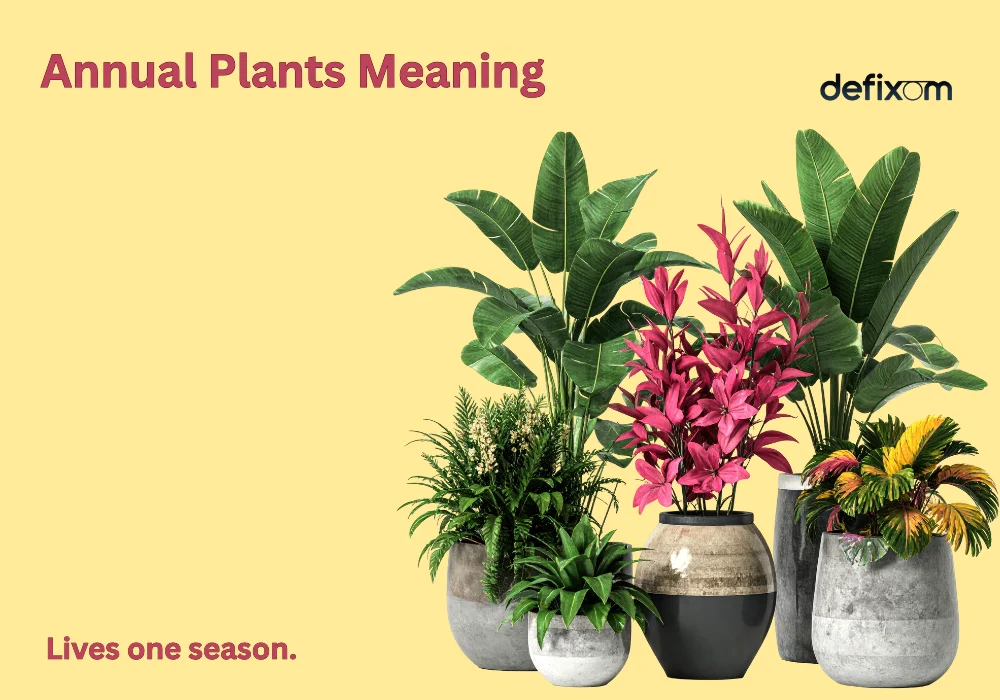
In the world of gardening and landscaping, you’ve probably come across the term “annual plants” and wondered what it really means.
Whether you’re a seasoned gardener or just starting your plant journey, understanding annuals is key to creating vibrant, dynamic gardens that bloom all year long.
In this article, we’ll break down annual plants meaning, their uses, examples, and practical tips to help you make the most of them in your garden, balcony, or even indoor spaces.
What Does “Annual Plants” Mean? (Definition & Origin)
At its core, annual plants are plants that complete their entire life cycle—from seed germination to flowering, seed production, and death—in a single growing season. Unlike perennials, which come back year after year, annuals are fast growers that give you instant color and greenery but need to be replanted each year.
Origin of the Term
The word “annual” comes from the Latin word annuus, meaning “yearly.” This makes sense because these plants literally live for just one year or one growing season. Gardeners have been using annuals for centuries to add vivid color, seasonal variety, and instant landscaping impact.
Key Points:
- Annual plants live and die within one growing season.
- They are often used for color, decoration, and seasonal interest.
- They produce seeds that can sprout the following year, but the parent plant will not return.
How to Use Annual Plants in Your Garden or Landscape
Understanding annual plants meaning is not just about definitions—it’s about practical application. These plants are perfect for gardeners who want quick results, seasonal themes, or experimentation with colors and textures.
Ideal Uses
- Seasonal Color: Annuals like marigolds, petunias, and impatiens are perfect for filling gaps in gardens with vibrant blooms.
- Container Gardening: They thrive in pots, hanging baskets, or window boxes, making them versatile for small spaces.
- Pollinator-Friendly Gardens: Many annuals attract bees, butterflies, and hummingbirds, boosting biodiversity.
- Experimentation: Annuals allow gardeners to try new color schemes, layouts, or plant combinations each year without long-term commitment.
Tip: Pair annuals with perennials for a garden that looks full and colorful all season. Perennials provide structure, while annuals provide pop and variety.
Examples of Annual Plants in 2026 Gardening Trends
Annuals come in a wide range of colors, shapes, and sizes, making them popular in modern landscaping. Here are some popular annual plants you might see in gardens, patios, or urban balconies this year:
- Petunia: Classic, colorful flowers that bloom from spring to frost.
- Marigold: Bright orange and yellow blooms that repel pests naturally.
- Zinnia: Bold, daisy-like flowers perfect for sunny spots.
- Sunflower: Fast-growing, tall annuals that are Instagram-worthy.
- Impatiens: Shade-loving, low-maintenance flowers.
- Snapdragon: Elegant, vertical blooms for dramatic effects.
Pro Tip: Many annuals now come in “dwarf” or “compact” varieties for indoor or balcony gardens—a trend that’s grown massively in 2026 urban gardening communities.
Common Mistakes or Misunderstandings About Annuals
Even experienced gardeners sometimes misuse or misunderstand annuals. Here’s what to avoid:
- Confusing Annuals with Perennials: Remember, annuals die after one season, while perennials return year after year.
- Planting Too Early or Too Late: Annuals are sensitive to frost; planting too early can kill them, and planting too late may reduce bloom time.
- Ignoring Water & Fertilizer Needs: Annuals are heavy feeders and bloom best with regular watering and nutrient support.
- Expecting Longevity: Unlike perennials, annuals won’t survive the winter outdoors in most climates. Plan to replant or harvest seeds.
Related Plants, Slangs, and Variations
While exploring annual plants meaning, it’s useful to understand related terms:
- Biennial Plants: Live for two years; grow leaves the first year, flower the second.
- Perennial Plants: Live multiple years, often flowering seasonally.
- Tender Annuals: Annuals that cannot tolerate frost.
- Hardy Annuals: Annuals that can withstand light frost.
Understanding these distinctions can help you choose the right plants for your climate and garden design.
Real-Life Examples in Conversation
If you’re a gardening enthusiast sharing tips online, here’s how annual plants meaning comes up in chat or social media:
1.Example 1:
“Just planted some marigolds in my balcony pots. Love how fast these annuals bloom!”
2.Example :
“I prefer annuals over perennials because I can change the colors every year.”
3.Example :
“Tip: Use hardy annuals like snapdragons to keep your garden colorful even in early spring.”
These examples show that knowing annual plants meaning is not only helpful for gardening but also for engaging in plant communities, forums, and social media discussions.
Tips for Choosing and Caring for Annuals (Updated for 2026)
- Know Your Zone: Check your climate zone to pick suitable annuals.
- Sunlight Needs: Most annuals need full sun; some shade-tolerant varieties are available.
- Watering Routine: Consistent moisture supports blooming. Avoid waterlogging.
- Fertilizer: Feed monthly for longer, vibrant blooms.
- Succession Planting: Stagger planting for continuous blooms all season.
Gardener’s Insight: Annuals are a low-risk way to experiment with colors, textures, and garden designs without long-term commitment. They’re also great for beginner gardeners because they grow quickly and give visible results.
Conclusion:
Understanding annual plants meaning opens a world of possibilities for gardeners. They provide fast blooms, seasonal versatility, and opportunities for creative expression.
Whether you’re filling a patio pot or designing a full garden, annuals give you freedom to experiment with color, layout, and plant combinations each year.

I am the voice behind Defixom, a site dedicated to explaining meanings in a clear and simple way. I love turning confusing words into easy explanations so anyone can understand them in seconds. My goal is to make learning meanings fast, friendly, and stress-free.