In the fast-paced world of texting and online chats, understanding language has never been more important.
While abbreviations and slang often dominate conversations, knowing formal words like “acquiesce” can give your messages a polished, intelligent edge—especially in professional or academic contexts.
Many people encounter “acquiesce” in books, emails, or online discussions and wonder what it truly means and how to use it.
This guide breaks down the word’s meaning, origins, and modern usage—even in casual texting or chats—so you’ll never miss a nuance again. Updated for 2026, this article will also cover examples, common mistakes, and related terms to help you master the word confidently.
What Does “Acquiesce” Mean? (Definition & Origin)
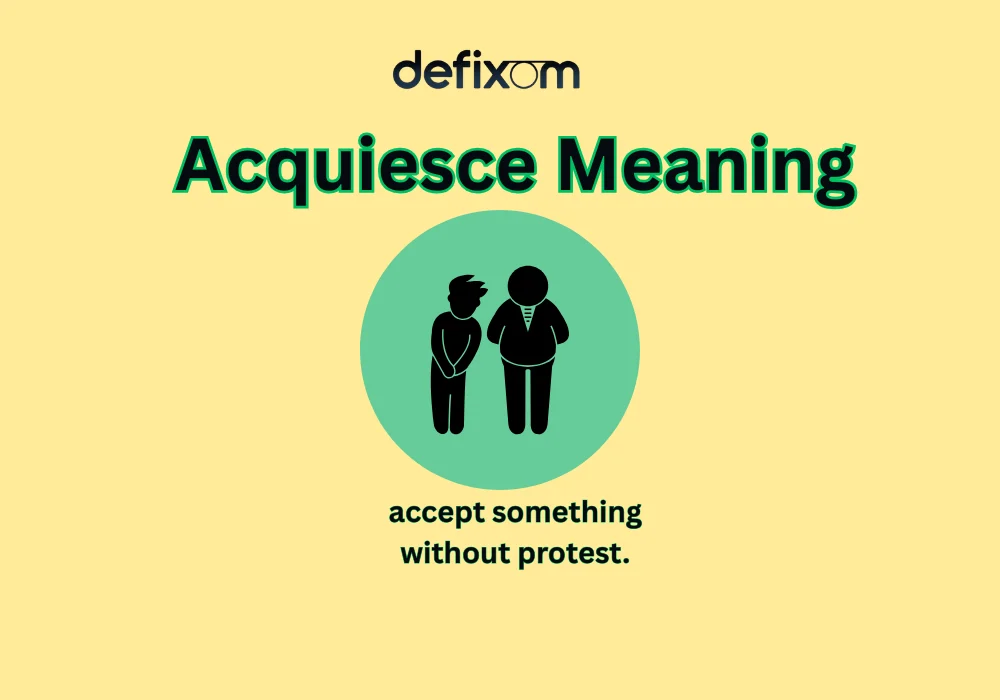
At its core, “acquiesce” is a verb that means:
to accept something reluctantly but without protest.
Think of it as quietly agreeing to something, even if you aren’t fully enthusiastic.
Origins of the Word
- Language Roots: The word comes from the Latin acquiescere, meaning “to rest” or “to be quiet.”
- History: It entered the English language in the late 16th century, primarily used in formal writing.
- Tone: Unlike slang, it carries a formal, sometimes subtle connotation of passive consent.
Quick Example:
- Formal: “Although she disagreed with the plan, she acquiesced to her manager’s decision.”
- Casual/Text: “I didn’t really want to go, but I guess I’ll acquiesce 😅.”
Notice how in both examples, the key idea is agreement without resistance.
How to Use “Acquiesce” in Texts or Chat
Even though acquiesce is a formal word, it has a surprising place in modern texting, social media, or messaging apps. Using it can make your messages sound witty, educated, or even humorous, depending on context.
Tips for Texting with “Acquiesce”:
- Playful Agreement:
When agreeing to something reluctantly but jokingly:- “Fine, I’ll do the dishes… I acquiesce 😒.”
- Professional Chats:
Shows polite compliance in emails or Slack messages:- “I understand your concerns and will acquiesce to the proposed schedule.”
- Expressing Sarcasm or Humor:
Using an elevated word in casual chats can be funny:- Friend: “You have to watch the new episode tonight.”
You: “I shall acquiesce to your demand 😏.”
- Friend: “You have to watch the new episode tonight.”
Examples of “Acquiesce” in Conversations
Here are some realistic examples of how the word can appear in different contexts:
Texting Example
- Friend: “Can you pick me up from the airport?”
- You: “Ugh, I wanted to nap, but I guess I’ll acquiesce 😴.”
Social Media Example
- Tweet: “I didn’t want to eat sushi again, but I acquiesced—and honestly, it was worth it. 🍣 #FoodieProblems”
Professional Email Example
- Email: “After reviewing the proposal, I acquiesce to your recommendations. Looking forward to moving ahead.”
These examples show how acquiesce works across casual and formal platforms.
Common Mistakes or Misunderstandings
Using acquiesce incorrectly is easier than you might think. Here are pitfalls to avoid:
- Confusing it with “agree enthusiastically”
- ❌ Wrong: “I’m excited to join the team, I acquiesce!”
- ✅ Correct: “I wasn’t thrilled about the change, but I acquiesce to the new rules.”
- Overusing in Casual Chats
While it’s fun, sprinkling it in every message can sound pretentious. - Mixing with “acquire” or “quiet”
Remember: acquiesce = passive agreement, not possession or silence.
Related Slangs or Abbreviations
Even though acquiesce is formal, it can interact with modern texting culture through:
- BRB / LOL / SMH: Pairing formal words with casual abbreviations can create playful contrast.
- Example: “I shall acquiesce, BRB.”
- FOMO / YOLO: Reluctant acceptance of social trends:
- “I didn’t want to try TikTok, but I acquiesced… YOLO.”
- TL;DR: Summarizing passive agreement in short chats:
- “Boss said we need a meeting at 7 AM. Acquiesced. TL;DR = sad.”
Mixing formal and informal language can make messages more engaging and relatable.
Why Understanding “Acquiesce” Matters in 2026
In an era of rapid texting, memes, and social media, words like acquiesce help you stand out. Whether in professional emails, academic writing, or witty social media captions, knowing when and how to acquiesce ensures your language is precise and expressive.
Modern Relevance:
- Online forums like Reddit or Quora often discuss agreements or compromises where acquiesce fits perfectly.
- Educators and students use it in essays and discussions.
- It can add sophistication to your personal brand in LinkedIn or professional chats.
In short: mastering acquiesce is about blending clarity, tone, and style—whether texting a friend or emailing a manager.
Conclusion
Acquiesce isn’t just a fancy word from a dictionary—it’s a versatile term that communicates reluctant agreement with subtlety and style. Whether you’re texting, tweeting, or drafting a professional email, knowing how to acquiesce correctly can elevate your communication.
- Key Takeaways:
- Acquiesce = accept reluctantly without protest.
- Works in formal, casual, and humorous contexts.
- Avoid confusing it with enthusiastic agreement or unrelated words.
Next time you find yourself agreeing, but not entirely thrilled, consider sprinkling in acquiesce—it’s the perfect mix of sophistication and fun.

I am a curious writer at Defixom who loves breaking down words, meanings, and ideas into simple, easy-to-understand explanations. My goal is to help readers quickly find clear answers without confusion, using clean language and real human insight.