In today’s fast-moving digital world, language constantly evolves. While slang and abbreviations dominate chats, formal words like “accede” are still widely used—especially in professional texts, online discussions, emails, and even social media debates.
If you’ve seen someone write “I accede to your request” and paused for a second, you’re not alone.
Understanding the meaning of accede in text and chat helps you avoid confusion, respond confidently, and sound more articulate when the situation calls for it. This guide is updated for 2026 and explains accede in a clear, human, and practical way—no dictionary overload, just real understanding.
What Does “Accede” Mean? (Definition & Origin)
Accede Meaning (Simple Definition)
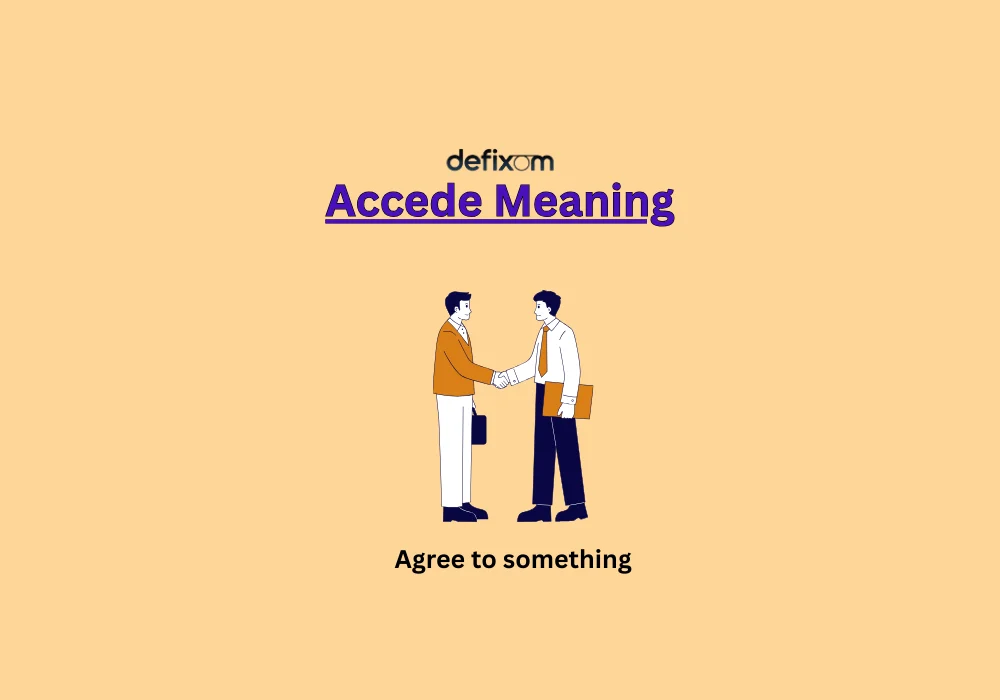
Accede means to agree to something, to give approval, or to accept a request, demand, or proposal.
👉 In plain terms:
If you accede to something, you’re saying “yes”—often after consideration.
Example:
“After reviewing the proposal, I accede to your terms.”
Origin of the Word “Accede”
The word accede comes from the Latin accedere, meaning “to approach” or “to agree.” Over time, it evolved into a more formal English verb often used in:
- Professional communication
- Legal or official contexts
- Polite or respectful agreement
Even though it’s not slang, accede still appears in modern chats, especially when people want to sound respectful, intelligent, or formal.
How to Use “Accede” in Texts or Chat
When Is “Accede” Commonly Used?
Unlike casual slang like “ok” or “sure,” accede is used when the agreement feels deliberate or formal.
Common contexts include:
- Workplace chats (Slack, Teams)
- Emails or DMs
- Online forums or debates
- Legal or academic discussions
- Polite refusals turned into agreements
Accede vs Agree (Important Difference)
While agree and accede are similar, there’s a subtle difference:
| Word | Tone | Usage |
|---|---|---|
| Agree | Casual or neutral | Everyday conversation |
| Accede | Formal, thoughtful | Requests, authority, negotiations |
Example comparison:
- “I agree with your idea.” (casual)
- “I accede to your request.” (formal, respectful)
Examples of “Accede” in Text Conversations
Here are realistic and relatable examples showing how accede appears in modern texting and chat:
Professional Chat Example
Manager: Can we extend the deadline by two days?
Employee: Yes, I accede to that request.
Email or DM Example
“After careful consideration, I accede to your proposal and look forward to working together.”
Online Forum or Comment Section
“While I initially disagreed, I now accede to your point after reviewing the evidence.”
Polite but Firm Tone
“I accede to your conditions, though with some reservations.”
💡 Tip: Using accede instantly makes your message sound more thoughtful and mature.
Common Mistakes or Misunderstandings
Even fluent English speakers misuse accede. Here are mistakes to avoid:
❌ Using “accede” for opinions
Wrong:
“I accede that pizza is better than burgers.”
Correct:
“I agree that pizza is better than burgers.”
Why?
Accede is used for requests or proposals, not personal opinions.
❌ Confusing “accede” with “exceed”
These words look similar but mean totally different things:
- Accede = agree or accept
- Exceed = go beyond a limit
Wrong:
“I exceed to your request.”
Correct:
“I accede to your request.”
❌ Forgetting the preposition “to”
Always say:
- Accede to a request
- Accede to terms
Never:
- “Accede your request” ❌
How to Use “Accede” Correctly (Quick Guide)
Follow these simple rules:
- ✅ Use “accede to”, not “accede with”
- ✅ Use it when accepting a request or proposal
- ❌ Don’t use it for casual opinions
- ❌ Don’t overuse it in friendly chats
Correct structure:
Subject + accede + to + request/proposal
Related Slangs or Abbreviations (Modern Alternatives)
While accede is formal, here are modern or casual alternatives depending on tone:
Formal Alternatives
- Consent
- Approve
- Comply with
- Accept
Casual / Chat-Friendly Alternatives
- Sure
- Okay
- Sounds good
- I’m in
- Bet (slang)
Example:
Formal: “I accede to your proposal.”
Casual: “Sounds good to me!”
Is “Accede” Still Relevant in 2026?
Yes—absolutely. While Gen Z and Gen Alpha favor slang, accede remains relevant in professional and semi-formal digital spaces:
- Remote work chats
- AI-assisted emails
- Online negotiations
- Policy discussions on X (Twitter), Reddit, and LinkedIn
In fact, using words like accede can help you stand out as articulate and respectful in a sea of short replies.
When Should You Avoid Using “Accede”?
Avoid accede when:
- Chatting with close friends
- Sending quick replies
- Posting memes or jokes
- Using casual social media comments
Why?
It may sound stiff or overly formal.
Quick Summary: Accede Meaning in Text
- Accede means to agree or accept a request
- It’s formal and respectful
- Common in professional texts, emails, and discussions
- Always followed by “to”
- Still relevant and useful in 2026
Final Thoughts
Language isn’t just about slang—it’s about choosing the right word for the right moment. While accede may not be trendy, it’s powerful when used correctly. It signals thoughtfulness, respect, and clarity—qualities that matter even more in digital communication today.
Next time you want to sound professional, calm, and confident, don’t just say “okay”—accede to the moment.

I am the voice behind Defixom, a site dedicated to explaining meanings in a clear and simple way. I love turning confusing words into easy explanations so anyone can understand them in seconds. My goal is to make learning meanings fast, friendly, and stress-free.